Table of Contents
- Brief update and context
- Who is leading the inquiry and what they will do
- Evidence under review
- Why video footage matters
- What investigators are focused on
- Timeline and possible outcomes
- What the public can do
- Key takeaways
- FAQs
Brief update and context
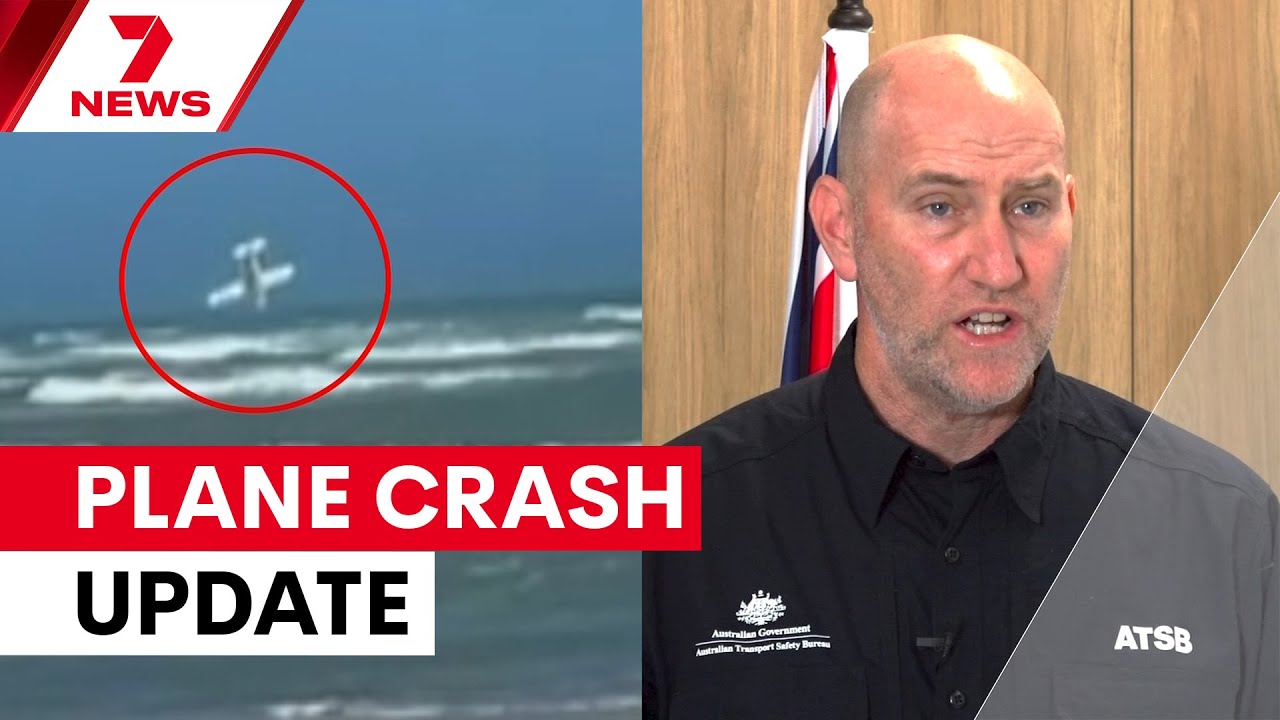
The Australian Transport Safety Bureau has commenced an investigation into the fatal Cessna 210 crash near Goolwa, in what the ATSB described this morning as a tragic accident that claimed the lives of three people. ATSB investigators have been deployed to examine wreckage, interview witnesses and analyse available footage as part of a methodical inquiry.
Who is leading the inquiry and what they will do
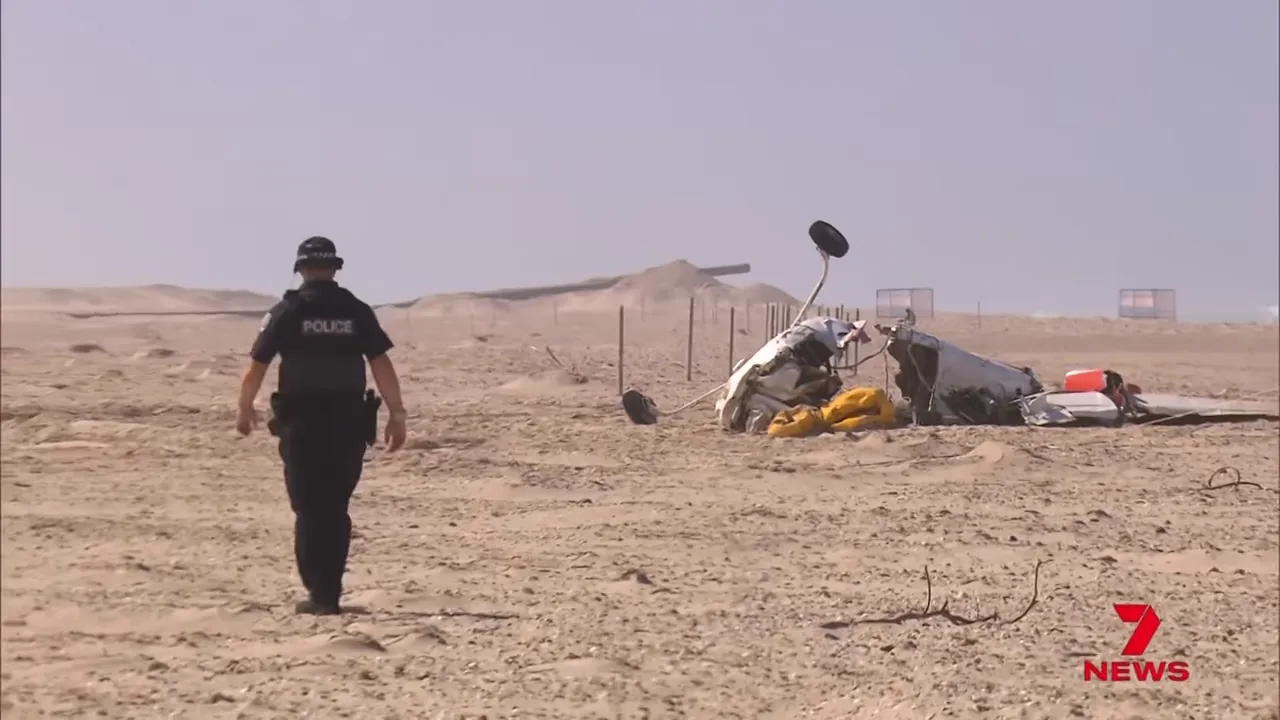
The ATSB has assembled a specialist team of four investigators from its Canberra office with expertise as pilots, licensed aircraft maintenance engineers and in human factors. They are expected on site to begin a detailed examination of the recovered aircraft wreckage and related evidence.
Evidence under review
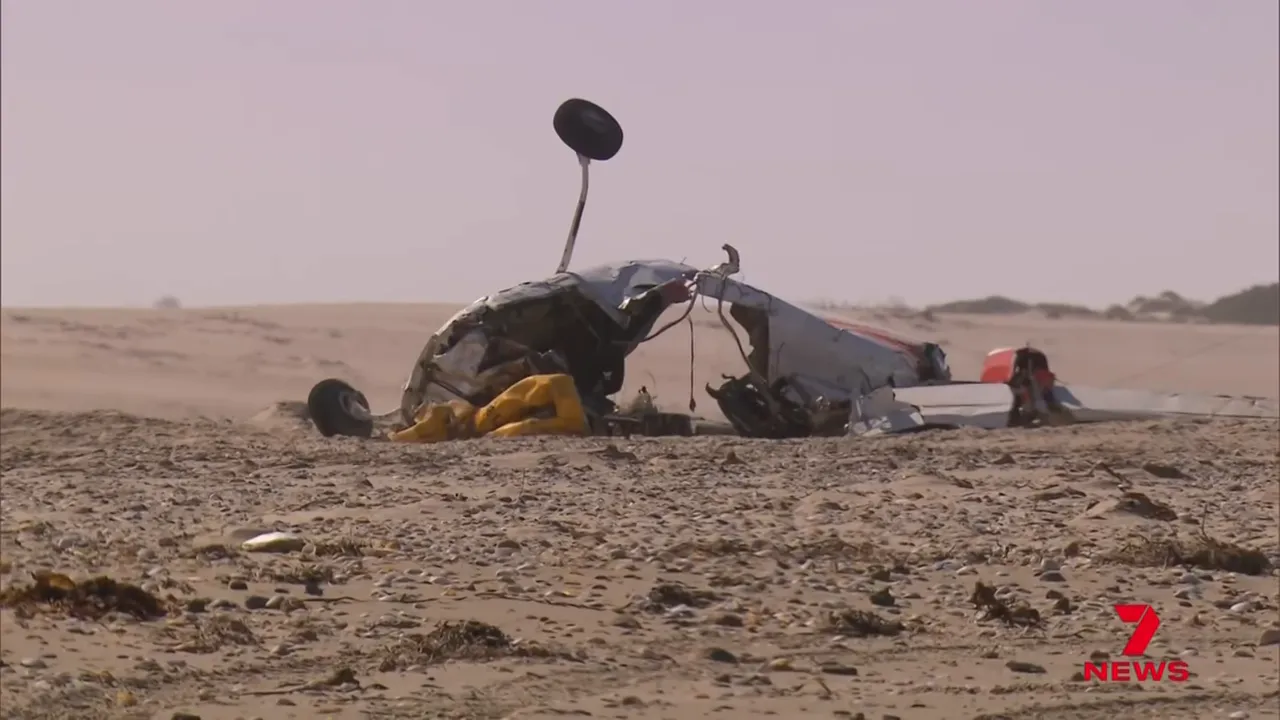
Investigators will collect and review a range of material: witness statements, involved-party interviews, flight track data, and aircraft and maintenance records. Any components of interest will be moved to ATSB technical facilities in Canberra for further examination.
Why video footage matters
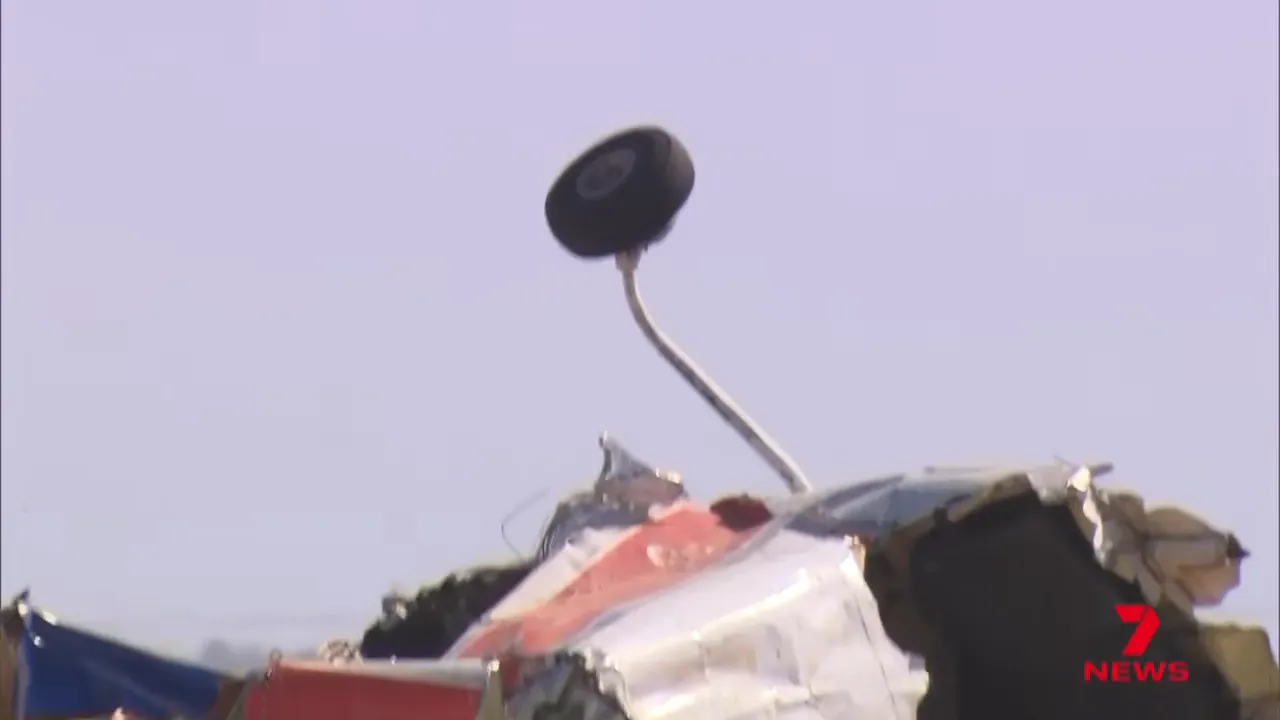
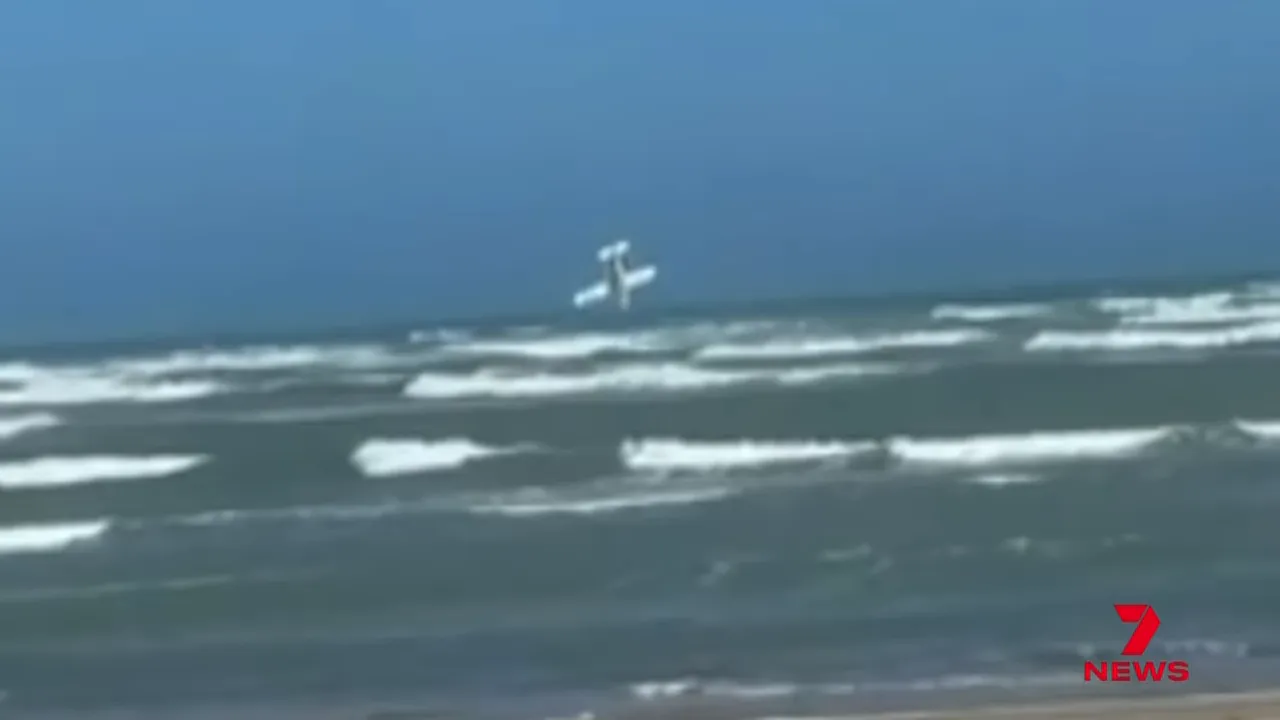
The ATSB said analysis of multiple video recordings will be instrumental to understanding the sequence of events. Some footage has already appeared in media reports; the bureau is asking anyone with video of the aircraft at any stage of its flight or of the accident sequence to contact them via the witness form on the ATSB website as soon as possible.
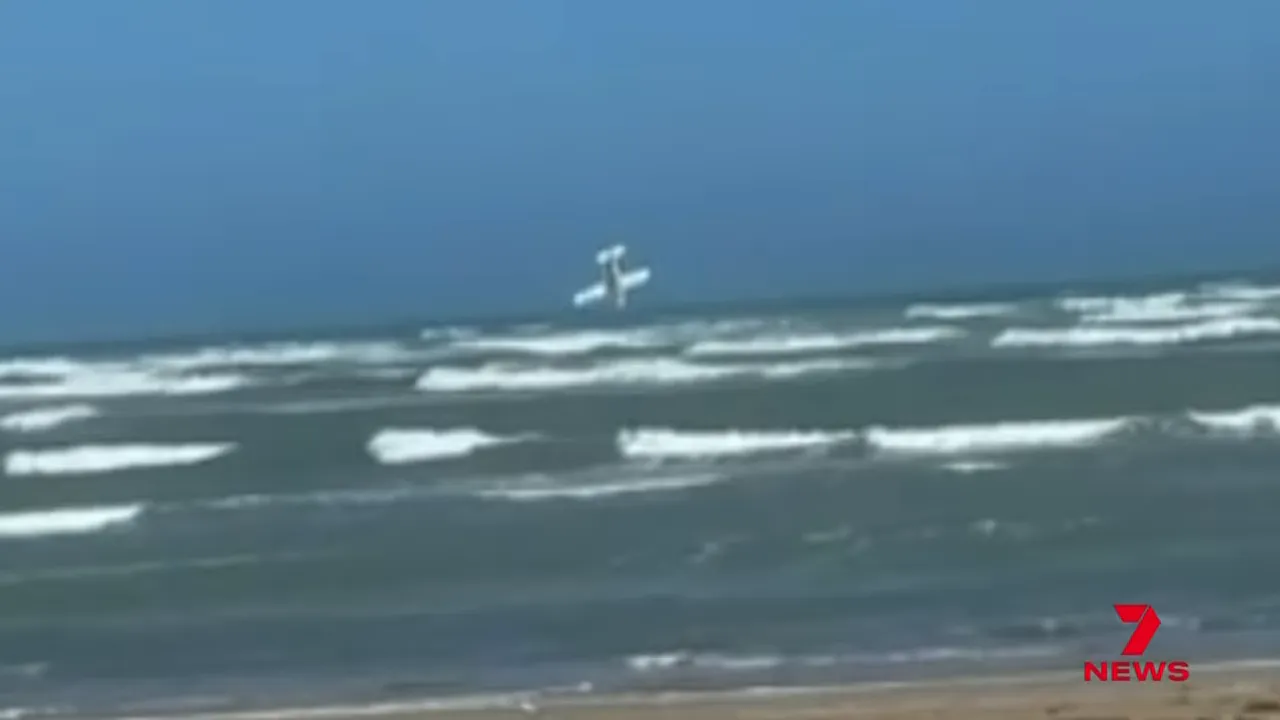
“As you may have seen in the footage, the aircraft has come down into water while rolling to the left in a very steep nose-down trajectory, a couple of hundred metres offshore.”
What investigators are focused on
Central to the inquiry is understanding how the aircraft entered the steep, nose‑down trajectory described by the ATSB. The sequence of events leading up to that final attitude, including any system, mechanical or human factors, will shape the analysis and findings.
Timeline and possible outcomes
Following the on-site work, the ATSB expects to publish a preliminary report within about eight weeks. That report will set out the factual information gathered to date. A final report, with analysis and safety findings, will be released once the investigation is complete.
The ATSB also noted that if a significant or critical safety issue is identified at any stage, it will immediately notify relevant stakeholders so action can be taken without waiting for the final report.
What the public can do
Members of the public with any video or photographic footage should submit it through the ATSB witness form on their website. Witness accounts, even when brief, can provide crucial context when matched with technical data and wreckage examination.
Key takeaways
- The ATSB has launched a formal investigation into the fatal Cessna 210 crash near Goolwa and deployed four specialist investigators.
- Investigators will examine wreckage, interview witnesses and analyse flight and maintenance records.
- Video footage of the accident is considered critical—anyone with recordings should contact the ATSB.
- A preliminary factual report is expected in about eight weeks; a final report will follow after full analysis.
- If urgent safety concerns emerge, the ATSB will notify stakeholders immediately.
FAQs
What exactly is the ATSB investigating in the Goolwa crash?
The ATSB is investigating the circumstances of a fatal Cessna 210 crash that occurred near Goolwa. The inquiry will seek to establish the factual sequence of events, examine aircraft wreckage and maintenance records, analyse flight tracking data and assess any human factors or system issues that contributed to the accident.
Who is on the investigation team?
Four investigators from the ATSB’s Canberra office have been deployed. Their expertise covers piloting, licensed aircraft maintenance engineering and human factors, allowing a multidisciplinary review of technical and operational evidence.
How can witnesses share video or photos?
Anyone with video or photographic footage of the aircraft at any stage of its flight, or of the accident sequence, should contact the ATSB via the witness form on the ATSB website as soon as possible so their material can be preserved and analysed.
When will the ATSB publish its findings?
The ATSB expects to publish a preliminary report detailing factual information within about eight weeks after the on-site phase. A final report with analysis and safety findings will be released at the conclusion of the investigation.
Will there be immediate safety actions if problems are found?
Yes. If the ATSB identifies any significant or critical safety issues at any stage, it will immediately notify the relevant stakeholders so appropriate safety actions can be taken without delay.
The information in this article has been adapted from mainstream news sources and video reports published on official channels. Watch the full video here 'Very steep nose down trajectory': ATSB update on fatal plane crash in South Australia | 7NEWS


