Table of Contents
- Sporting icons join calls for a national inquiry three weeks after the Bondi attack
- Where to from here
- Key facts at a glance
- FAQs
- Final note
Sporting icons join calls for a national inquiry three weeks after the Bondi attack
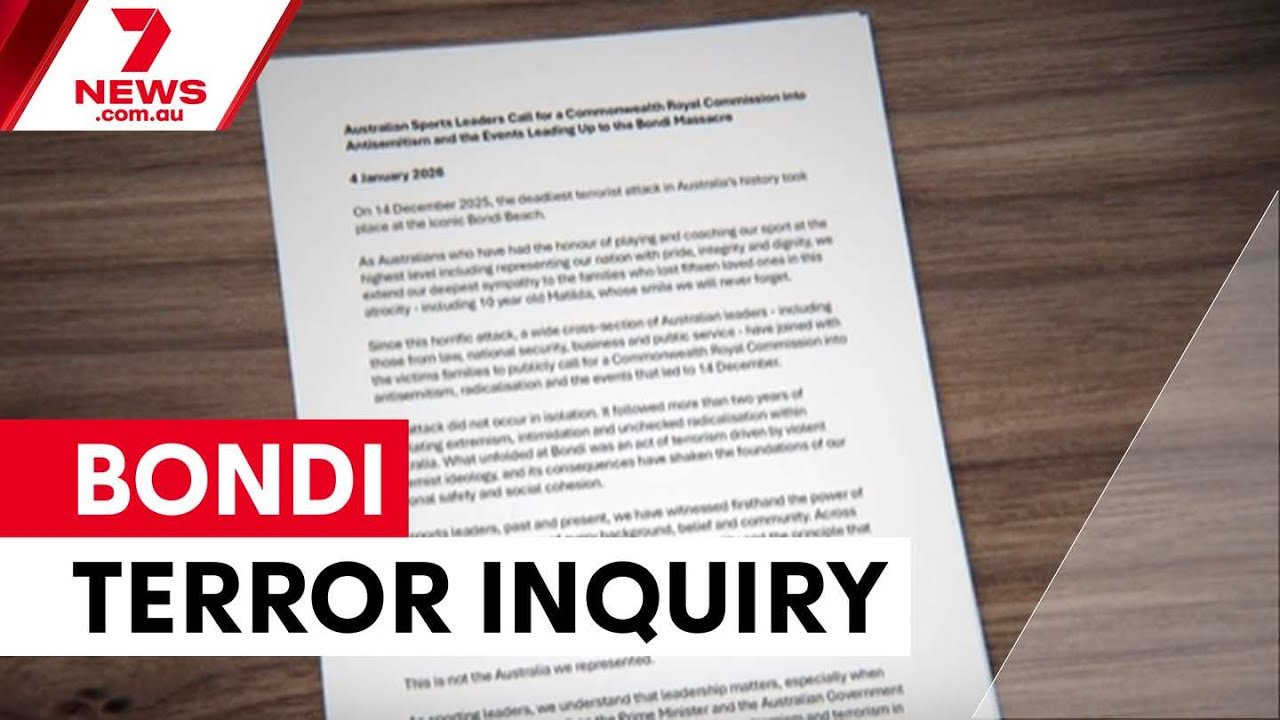
The Royal Commission into Bondi terror attack is now being demanded by a group of Australia’s most recognisable sportspeople, who say a federal inquiry is needed to establish the facts and restore public confidence. Seventy Australian sports stars have added their names to a letter calling for a National Royal Commission, three weeks after the attack at Bondi that left 15 people dead.
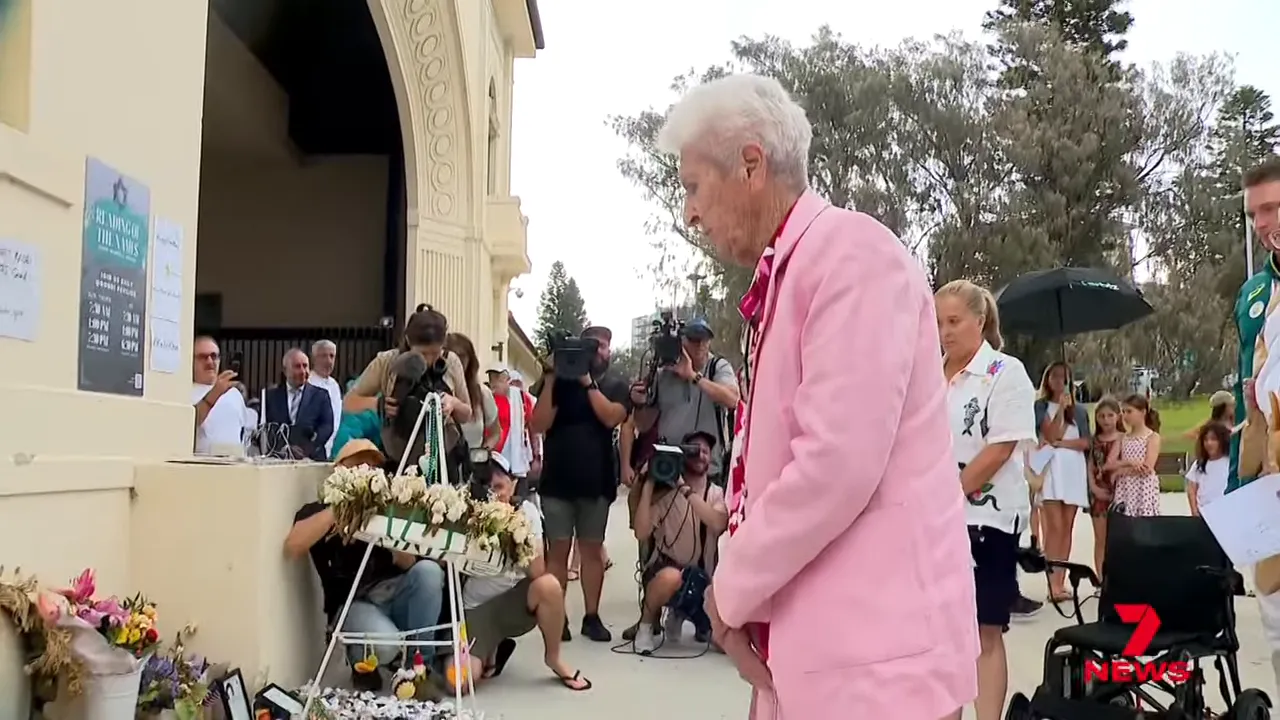
Swimming legend Dawn Fraser visited the site to lay a wreath, a gesture echoed by former and current athletes who described the events as a national crisis and a sign of deepening division. The letter from sporting figures, which includes Olympic gold medallists and champions across football codes, frames the Royal Commission as a fact-finding process rather than an exercise in blame.
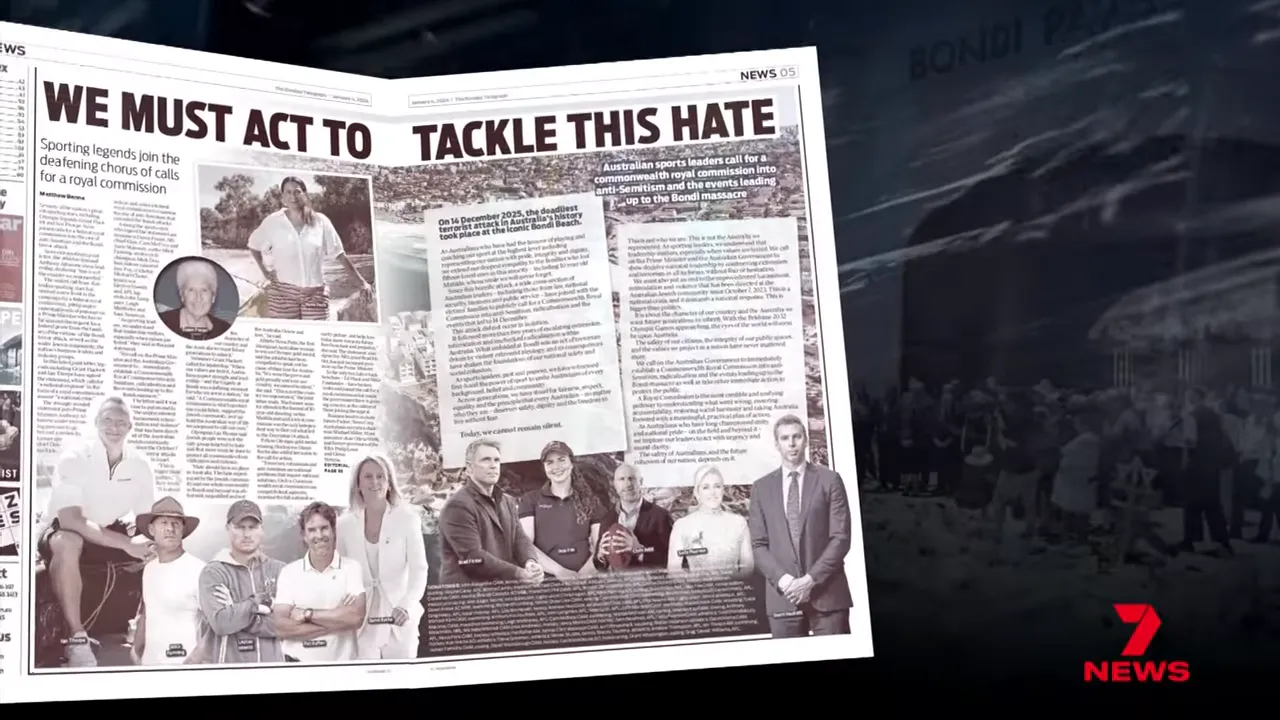
Those pushing for a federal inquiry say the scale and impact of the attack — and the signals it sends about extremism and radicalisation — require a response that goes beyond state-level investigations. With politicians debating the best path, many signatories argue a national Royal Commission would offer a comprehensive review of how intelligence, policing, community safety and counter‑radicalisation measures intersect.
The Royal Commission is not about blame, it is about truth. It exists to establish the facts.
Supporters point to the symbolic weight of high-profile athletes lending their voices. They say the country’s representative figures have a responsibility to call for clarity and accountability, and that the public deserves answers about how this attack occurred and how similar tragedies can be prevented.
Business leaders have joined the push for a federal inquiry, arguing that national coordination is essential when threats cross jurisdictions or point to systemic vulnerabilities. State authorities have signalled plans for their own reviews, but the federal push seeks a single, binding review with the power to make recommendations that apply across Australia.
The Prime Minister has so far resisted calls for a national Royal Commission, saying the government is committed to timely action and changes but wary of inquiries that can take years. Critics of this position insist that only a Royal Commission can command the independent scrutiny and scope necessary to address complex causes such as radicalisation pathways and failures in prevention.
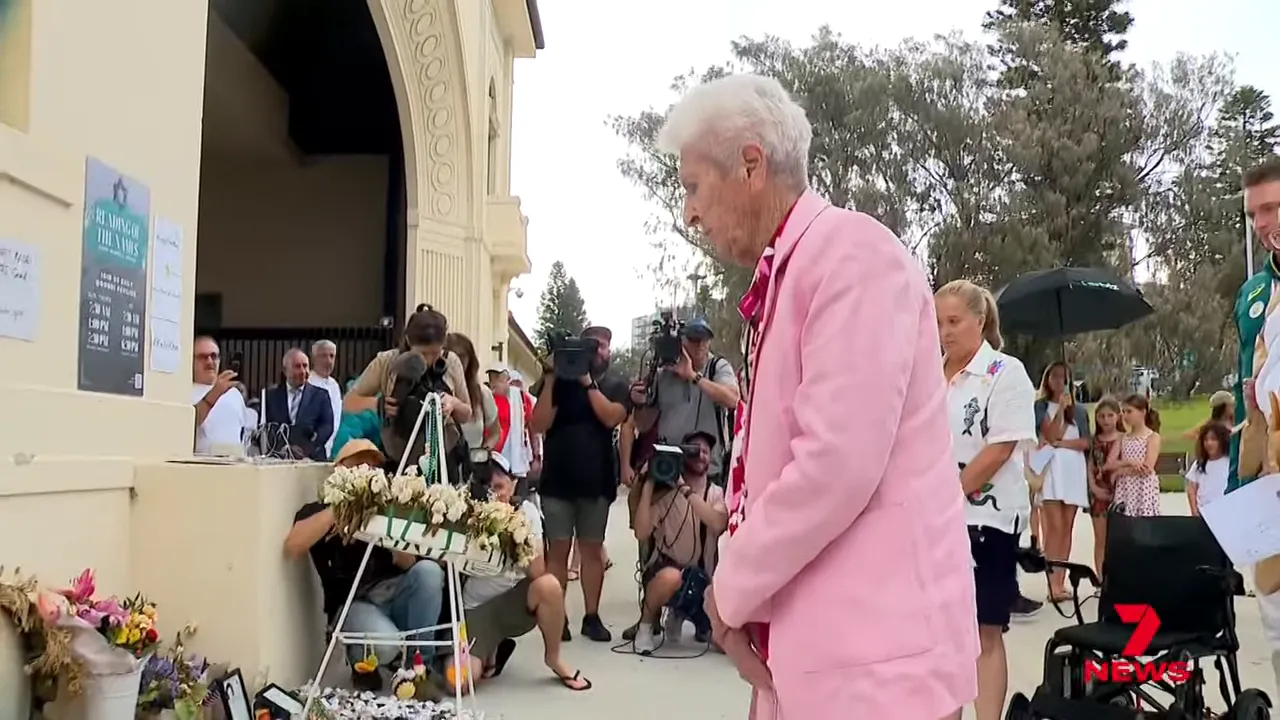
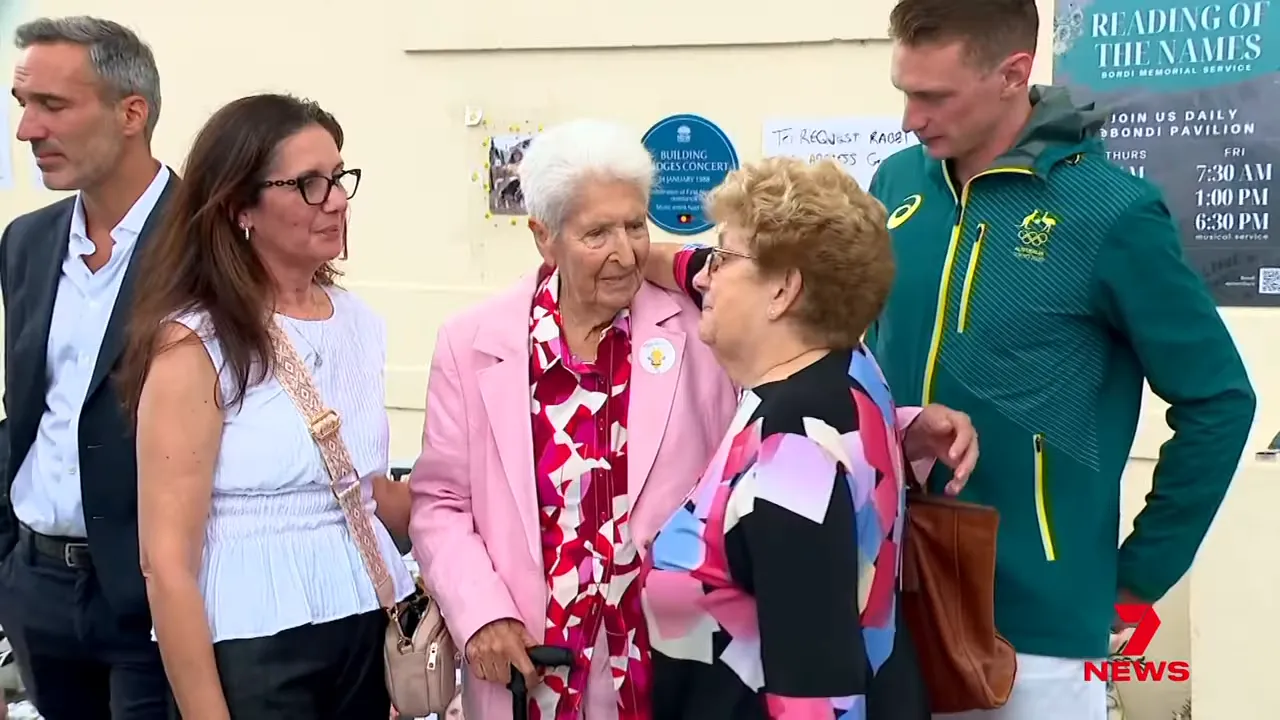
Community leaders and survivors say healing requires both answers and leadership. Dawn Fraser’s visit and other public acts of solidarity underscore the emotional toll on the Jewish community and wider society, and the signatories argue that truth and transparency are essential steps toward rebuilding trust.
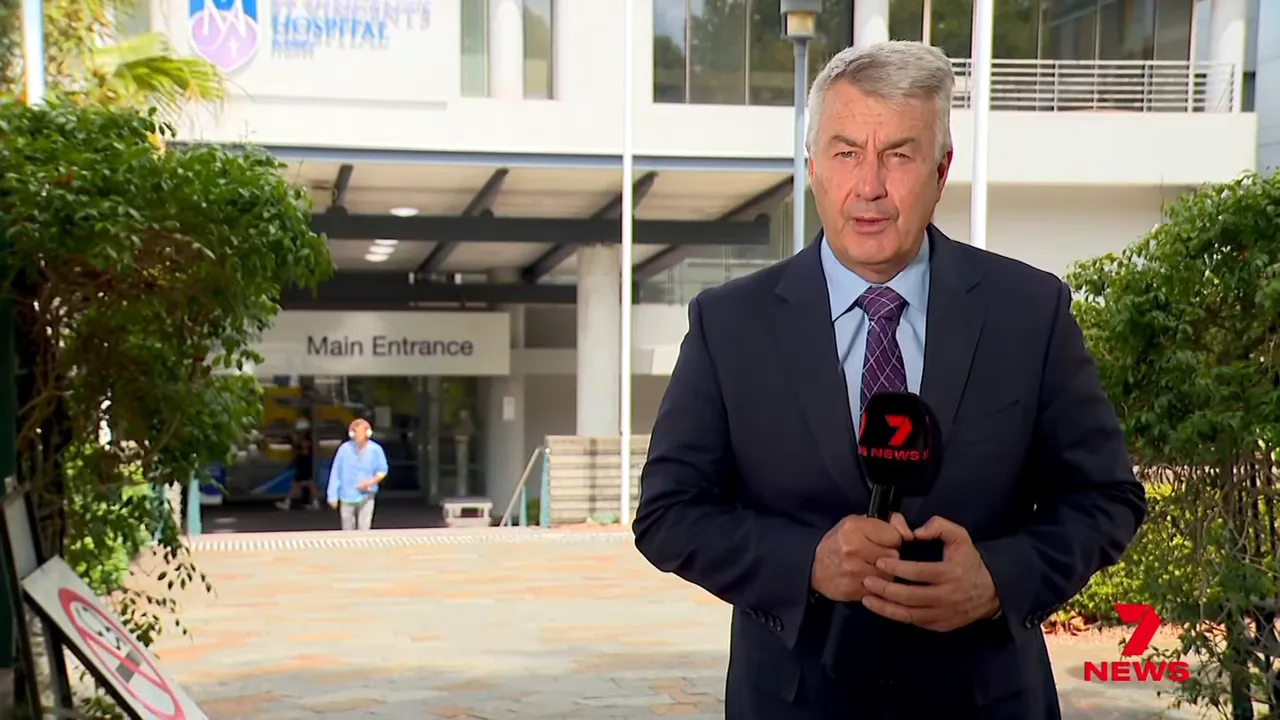
Practical details remain pressing. Seven people are still being treated in Sydney hospitals, with two listed as critical but stable. Families of victims and those injured continue to call for clarity on what went wrong and what can be done to reduce the risk of future attacks.
What a Royal Commission could examine
- National intelligence-sharing and early-warning mechanisms.
- Counter‑radicalisation programs and community outreach effectiveness.
- Policing coordination between state and federal agencies.
- Online radical influences and pathways to violent extremism.
Proponents argue that a Royal Commission would make wide-ranging recommendations that could shape policy, funding and community programs for years to come. Opponents worry about delays and duplication with state inquiries, but many supporters say the scale of loss justifies a unified national approach.
Where to from here
The debate now rests with political leaders and the public. Advocates for a national inquiry say it is about ensuring hard questions are answered and lessons are learned. Others urge immediate practical changes while any long-form inquiry proceeds.
At its core, the call reflects a broader anxiety: that hate and division have grown in ways many Australians find alarming. The signatories say a clear, independent account of events is necessary to chart a path back to safety and social cohesion.
Key facts at a glance
- Seventy Australian sports stars signed a letter calling for a National Royal Commission.
- The Bondi attack occurred three weeks prior and resulted in 15 deaths.
- Seven people remain hospitalised, two of whom are critical but stable.
- The Prime Minister has expressed caution about a federal Royal Commission, while state-based plans are being discussed.
FAQs
What is being asked for?
A National Royal Commission into the Bondi terror attack to establish the facts, assess systemic failures and recommend changes across national security, policing and community programs.
Who has called for the Royal Commission?
Seventy Australian sports stars, including Olympians and champions from major football codes, have signed a public letter. Business leaders have also voiced support for a federal inquiry.
Why do supporters want a national inquiry rather than a state-based one?
Supporters say a national inquiry can cover cross‑jurisdictional issues, coordinate intelligence and offer recommendations that apply across Australia, rather than producing fragmented state responses.
How many people were affected by the Bondi attack?
Fifteen people were killed in the attack. As of the latest reports, seven remain in hospital, with two listed as critical but stable.
What has the government said?
The Prime Minister has not yet agreed to a National Royal Commission, emphasising the need for timely action and warning that inquiries can take years. The government says it is committed to implementing necessary changes promptly.
What would a Royal Commission aim to achieve?
A Royal Commission would aim to establish an independent, public record of events, identify systemic failings, and recommend policy and practical measures to prevent future attacks and support affected communities.
Final note
As the nation grapples with grief and calls for answers, the debate over a Royal Commission highlights a difficult trade-off: the urgency of action versus the thoroughness of independent inquiry. For many signatories, the message is clear — only a full, national review can provide the clarity and accountability needed to move forward.
The information in this article has been adapted from mainstream news sources and video reports published on official channels. Watch the full video here Athletes demand royal commission into Bondi terror attack | 7NEWS


