Teen killer jailed for Melbourne doctor

Table of Contents
- Family vows to keep fighting as sentence draws public scrutiny
- What the court found
- Family response and community reaction
- Key facts
- What happens next
- FAQs
Family vows to keep fighting as sentence draws public scrutiny
The teen killer jailed for the murder of Melbourne doctor Ash Gordon has been sentenced to 17 years behind bars, with a 12-year non-parole period. The sentence, handed down after the 16‑year‑old was found to have stabbed Dr Gordon six times during a robbery confrontation, has left the family distraught and determined to campaign for tougher laws.
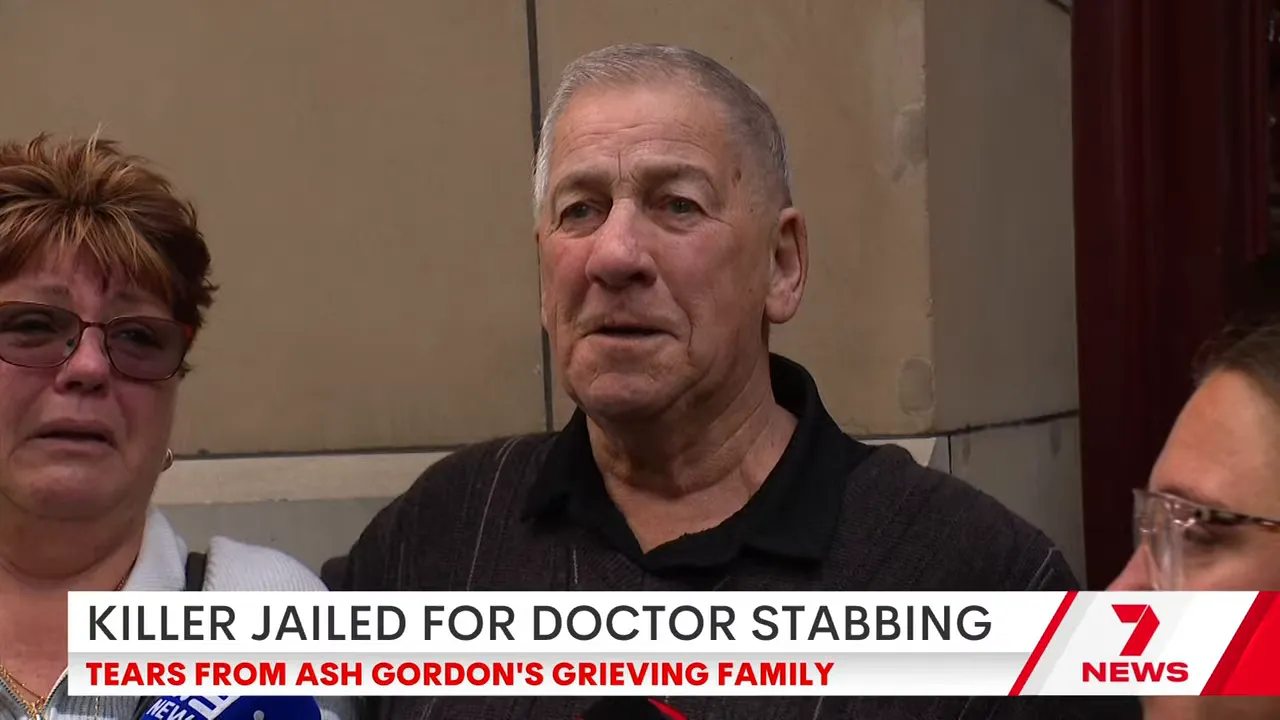
In court, relatives reacted visibly as the sentence was read, with audible gasps and tears outside the courthouse. The family praised Ash as a “great person” and said the punishment does not match the life they have lost.

The offence occurred when the teenager and others robbed the doctor’s home and fled, only for Dr Gordon to confront them. The court heard the youth stabbed him six times; the judge rejected a defence claim of self-defence. At the time of the crime the defendant was 16.

Legally, the 17‑year sentence includes time already served, meaning the non‑parole period ends in roughly 12 years and the offender could be eligible for release in just over a decade. The family described the outcome as “better than expected” yet heartbreaking, saying no term of years can replace their loss.
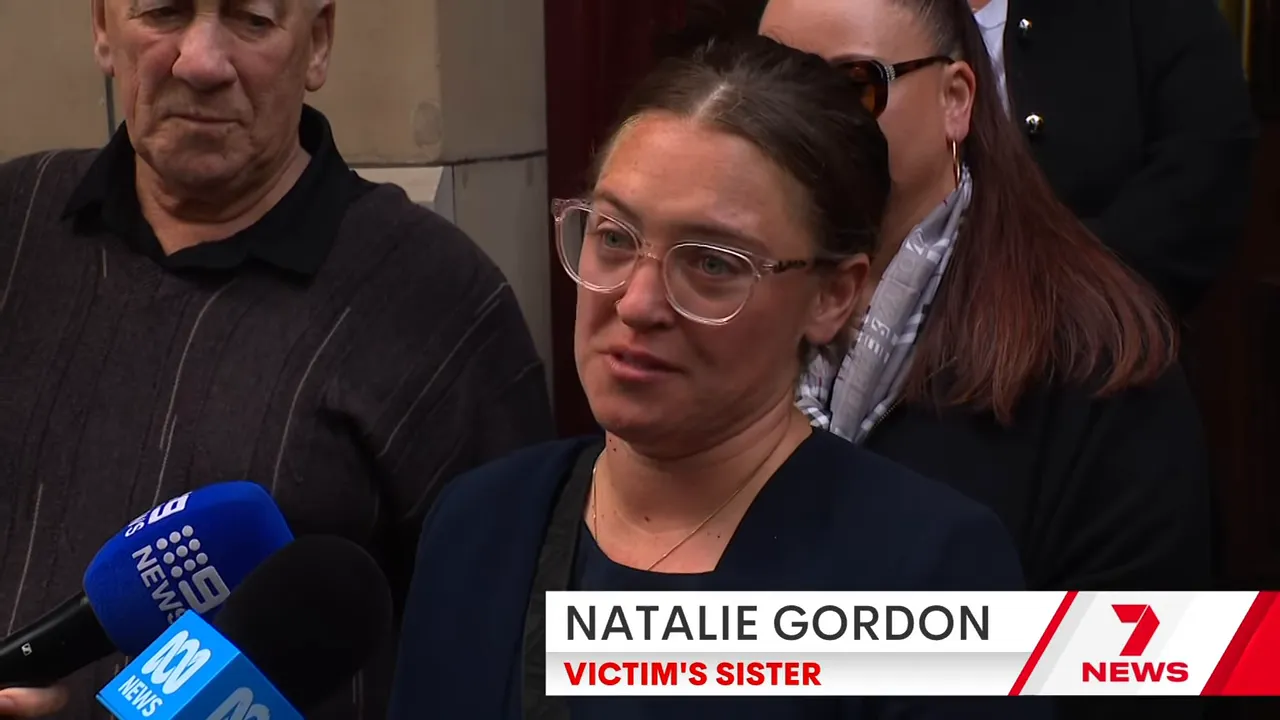
Members of the family questioned the teenager’s remorse after a brief exchange in court when the defendant reportedly smiled. “Now, is that coming from someone who’s shown a bit of remorse? I don't think so,” a family member said outside the hearing.
The case has also intersected with broader public debate about crime and sentencing. The family welcomed the government’s recent crime crackdown and called for a lasting legacy in memory of Dr Gordon, hoping changes might prevent similar tragedies.
What the court found
The sentencing judge concluded the stabbing occurred when Dr Gordon confronted the group after the robbery. The defence submission that the teen acted in self-defence was rejected by the court, which treated the conduct as a serious, violent offence carrying a lengthy custodial term.
Sentencing balances statutory factors, the offender’s youth, the gravity of the act and community protection. In this instance the court imposed a lengthy head sentence alongside a significant non‑parole period, reflecting both the seriousness of the crime and the offender’s age at the time.
Family response and community reaction
The victim’s family said the sentence cannot equate to their loss and vowed to continue campaigning for stronger laws and tougher sentencing. They described living with a “life sentence” of grief and emphasised the need for change to keep communities safe.
Public reaction has been mixed: some welcome the sentence as proportionate given the offender’s youth, while others argue it is insufficient for the severity of the attack. The debate mirrors wider discussions about juvenile offending, accountability and rehabilitation.
Key facts
- Victim: Dr Ash Gordon.
- Offender: A 16‑year‑old at the time of the crime.
- Incident: Robbery followed by fatal stabbing; victim confronted the group.
- Sentence: 17 years’ imprisonment with a 12‑year non‑parole period (includes time served).
- Court finding: Self‑defence claim rejected; stabbing occurred six times.
What happens next
The offender will serve the non‑parole period before being eligible to apply for release on parole. Meanwhile, the victim’s family plans to campaign for legislative change and tougher sentences for violent crime.
Legal experts say appeals and review processes can follow, but the immediate focus for the family is advocacy and seeking a public legacy in memory of Dr Gordon.
FAQs
How long was the sentence?
The court imposed a 17‑year sentence with a 12‑year non‑parole period; time already served was taken into account.
Could the offender be released in just over a decade?
Yes. With a 12‑year non‑parole period that includes time served, the offender could be eligible for parole in roughly 12 years from sentencing.
What did the court say about the defence claim of self‑defence?
The judge rejected the claim that the stabbing was self‑defence, finding the offence constituted serious violent conduct during and after a robbery.
How has the family responded?
The family expressed profound grief and disappointment with the sentence and have vowed to continue campaigning for tougher laws and sentencing changes.
Will this case influence law or policy?
The family has welcomed recent government crime measures and hopes the case will contribute to ongoing debates about tougher sentencing, though legislative change depends on parliamentary processes and public policy decisions.
The information in this article has been adapted from mainstream news sources and video reports published on official channels. Watch the full video here Teen killer jailed for Melbourne doctor murder | 7NEWS


