
The Artemis II furthest point from Earth marks a historic step for human spaceflight. As the mission heads onward, the astronauts are flying past the Moon—pushing farther from our planet than any living creature has ever travelled.
For many people, this moment represents more than just distance on a map. It is a test of endurance, teamwork, and the ability to operate safely far from home—before the crew later returns toward Earth and everything they care about.
Table of Contents
- A flight beyond what’s been done before
- When the record is set, the journey still continues
- Two lunar crater names: integrity and Carol
- Challenging the next generation
- Where this leaves Artemis II
- Video
- FAQ
A flight beyond what’s been done before
Artemis II is travelling around the Moon as part of a broader push to expand what humanity can do in deep space. During the mission’s outbound phase, the crew will pass the Moon and reach the furthest point from Earth any living creature has ever been.
The significance is both technical and symbolic. In practical terms, the mission continues further into space with the clock running toward the point where the crew must rely on systems, procedures, and communication that work at extreme distance.
When the record is set, the journey still continues
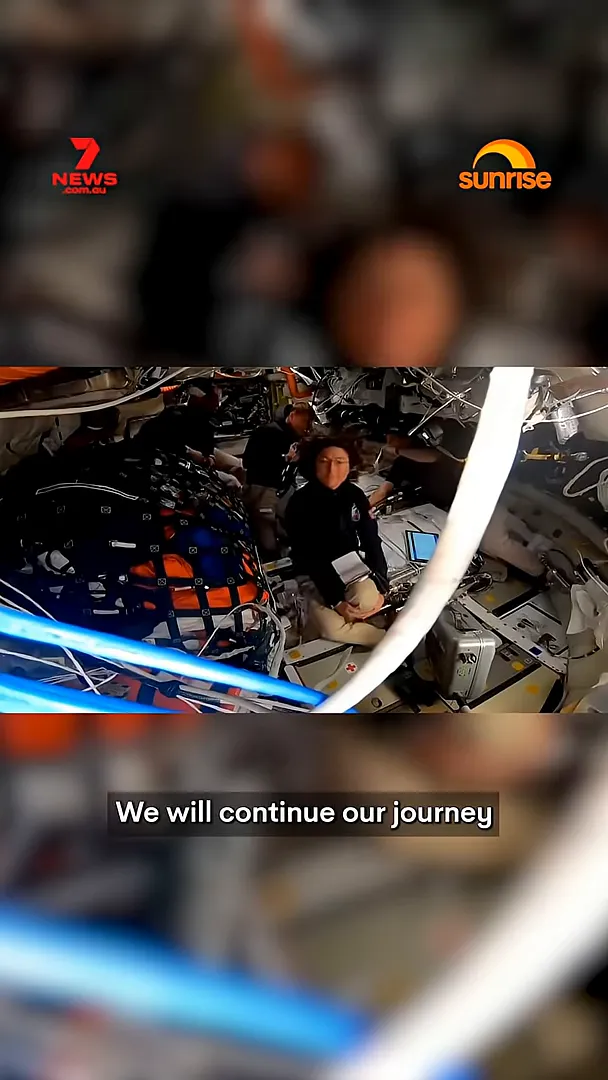
Even after crossing into record territory, the mission does not simply stop. The crew’s planned trajectory keeps them moving onward before the return journey begins.
The idea is clear: this is a milestone, but it is also part of a longer route—one that ultimately brings the astronauts back after the Moon flyby, with Earth pulling them back to everything they hold dear.
Two lunar crater names: integrity and Carol
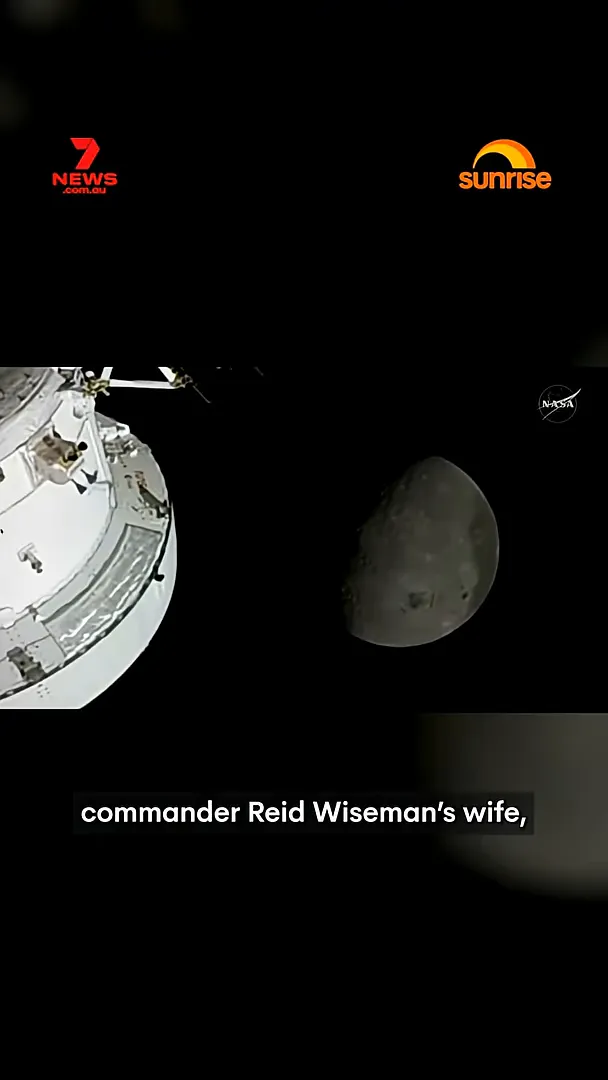
During the flyby phase, the crew proposed names for two lunar craters—turning an important scientific waypoint into something more personal. One of those proposed names is Integrity, linked to the capsule.
The other crater is named Carol, in honour of Mission Commander Reid Wiseman’s wife, who died of cancer in 2020. In doing this, the crew adds a human layer to a mission measured in kilometres and time—acknowledging loss, love, and motivation that extends beyond the spacecraft.
Challenging the next generation
Throughout the mission narrative, there is a consistent theme: the record is not the finish line. The crew’s actions are framed as a challenge to the next generation—encouraging young people to aim higher, think bigger, and get involved in the future of exploration.
That message matters because spaceflight is never only about the astronauts on board. It is also about what their journey inspires on Earth—future researchers, engineers, and explorers who will build on what is attempted today.
Where this leaves Artemis II
At the core of the Artemis II furthest point from Earth milestone is a simple, powerful idea: humanity can go farther, safely, and with purpose. Reaching the Moon and passing beyond it is already a major achievement, but setting the distance record highlights how far modern space missions can push the boundaries of what was previously possible.
And because the journey includes personal tributes and a deliberate message about inspiring the next generation, the mission’s impact extends beyond space. It becomes a story about courage, remembrance, and the drive to keep progressing.
Video
FAQ
What does “Artemis II furthest point from Earth” mean?
It refers to the moment during the Artemis II mission when the crew reaches the greatest distance from Earth for any living creature in history—on their journey past the Moon and onward into deep space.
When will the crew reach this distance?
It occurs as part of the mission’s outbound trajectory during the period when the astronauts fly past the Moon, before the mission continues further into space and then begins its return toward Earth.
Which lunar craters were proposed to be named during the flyby?
The crew proposed names for two lunar craters: Integrity, named after their capsule, and Carol, named in honour of Mission Commander Reid Wiseman’s wife, who died of cancer in 2020.
Why does the mission include personal naming tributes?
The proposed crater names add a human element to a technically focused mission, recognising personal significance alongside the broader goals of exploration and inspiring future generations.
How long does the crew stay beyond the Moon?
The mission narrative indicates that even after the record is set, the crew continues the journey further into space before heading back, with the return pulling them towards Earth and the life they left behind.
The information in this article has been adapted from mainstream news sources and video reports published on official channels. Watch the full video here Artemis II crew reach furthest point from Earth anyone has ever been


