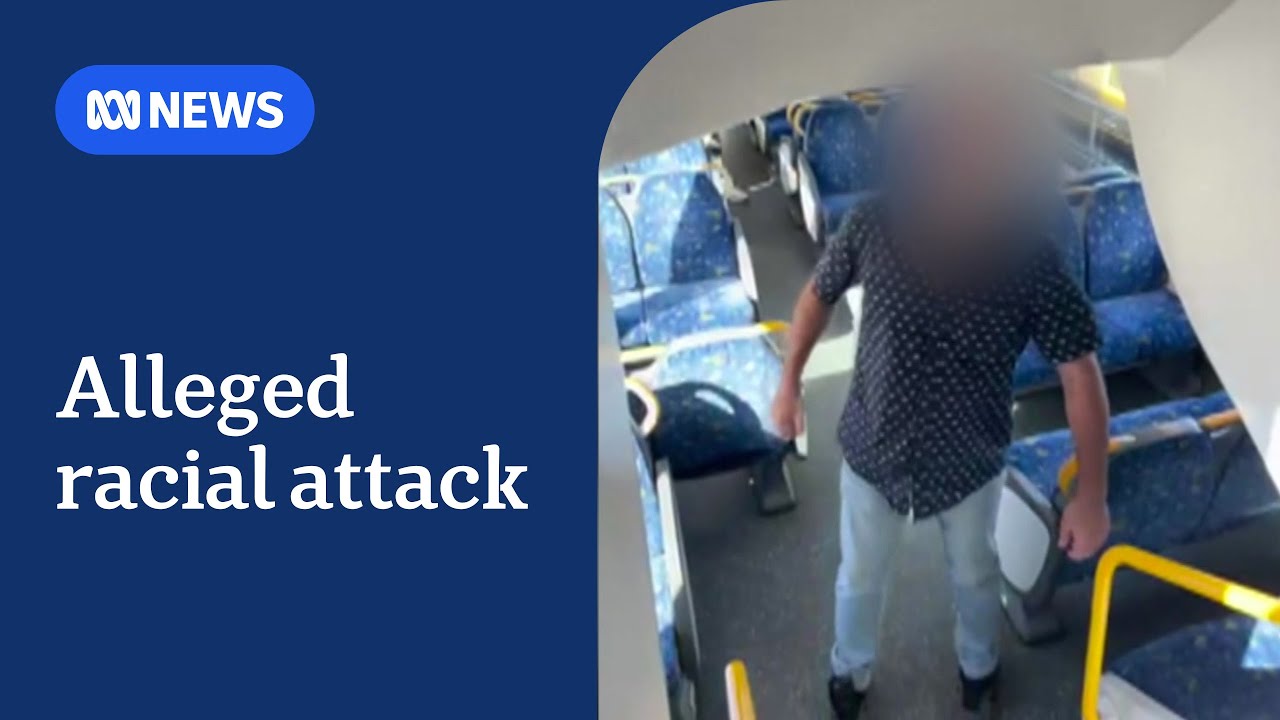
In a report for ABC News, I document a disturbing incident that unfolded on a Sydney train shortly after two brothers returned from a pro-Palestinian march. The footage captured an abusive tirade with clear racial overtones and an alleged physical assault. This article explains what happened, who was involved, and the broader context surrounding the attack.
Table of Contents
- What happened on the train?
- Who are the victims?
- Why this matters: context of the day's rallies
- Official response and political debate
- What the brothers want and next steps
- FAQ
- Conclusion
What happened on the train?
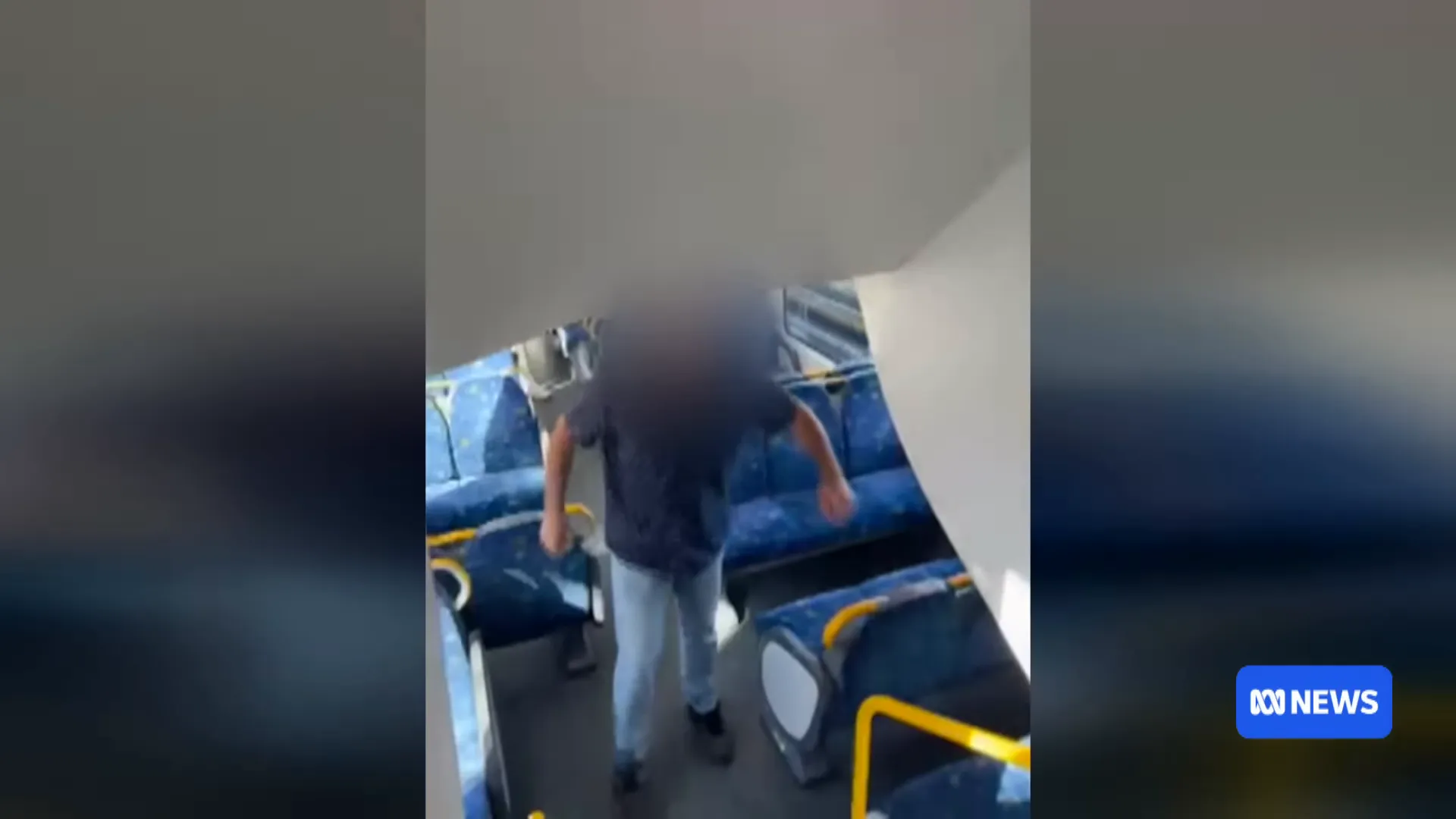
Moments after leaving the pro-Palestinian rally in the city, two brothers, Shamik and Majid, were confronted by a group of four people on a suburban train. The confrontation began with verbal abuse and quickly escalated.
"We don't want you in our country! We don't want you here!"
According to the brothers, the attack was sparked because Majid was wearing a Palestinian scarf (kufiya). The assault moved from words to actions as the group continued to shout at them.
"If you want to fight for Palestine, go back there, take off Palestinian scarf. This is Australia."
The attackers reportedly also shouted abuse questioning migrants and refugee status: "Why are you all getting free money, you fucking wanted to get out?"
Who are the victims?
The brothers are Palestinian-Australian and originally from Gaza. Family members of the brothers have been killed in Gaza, which adds a deeply personal and traumatic layer to this incident. They have both reported the incident to police and provided the same footage that has circulated publicly.
Why this matters: context of the day's rallies
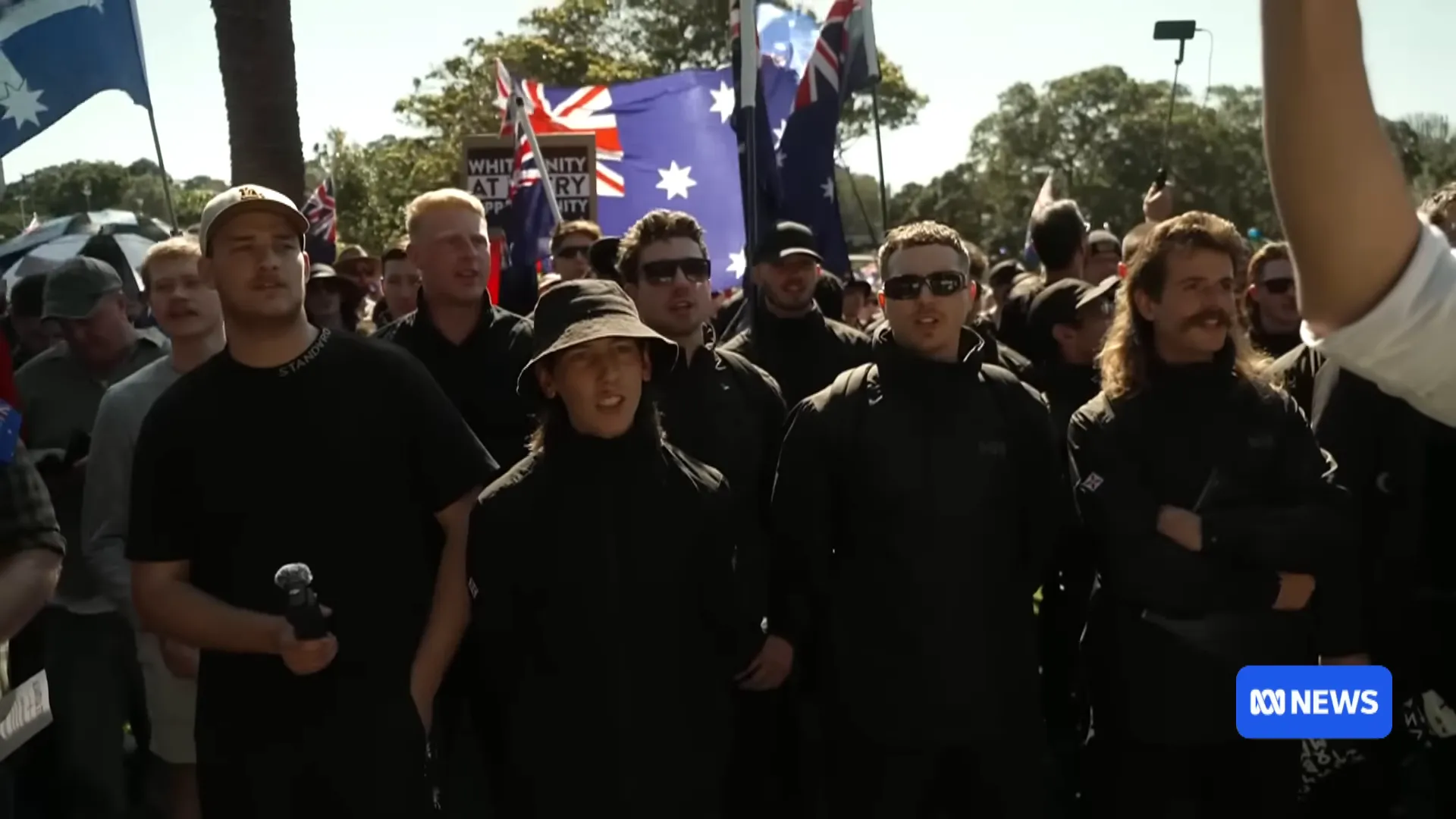
The assault occurred minutes after a pro-Palestinian march in the city. At the same time, an anti-immigration rally — referred to by many as the March for Australia — had drawn a large crowd and included speeches from known far-right and neo-Nazi figures. Organisers and witnesses say roughly 15,000 people attended that anti-immigration event.
The overlapping protests created a highly charged atmosphere in the city on the day of the incident. Many see the train assault as part of a broader pattern of intimidation and racism tied to the sentiments expressed at the anti-immigration rally.
Official response and political debate
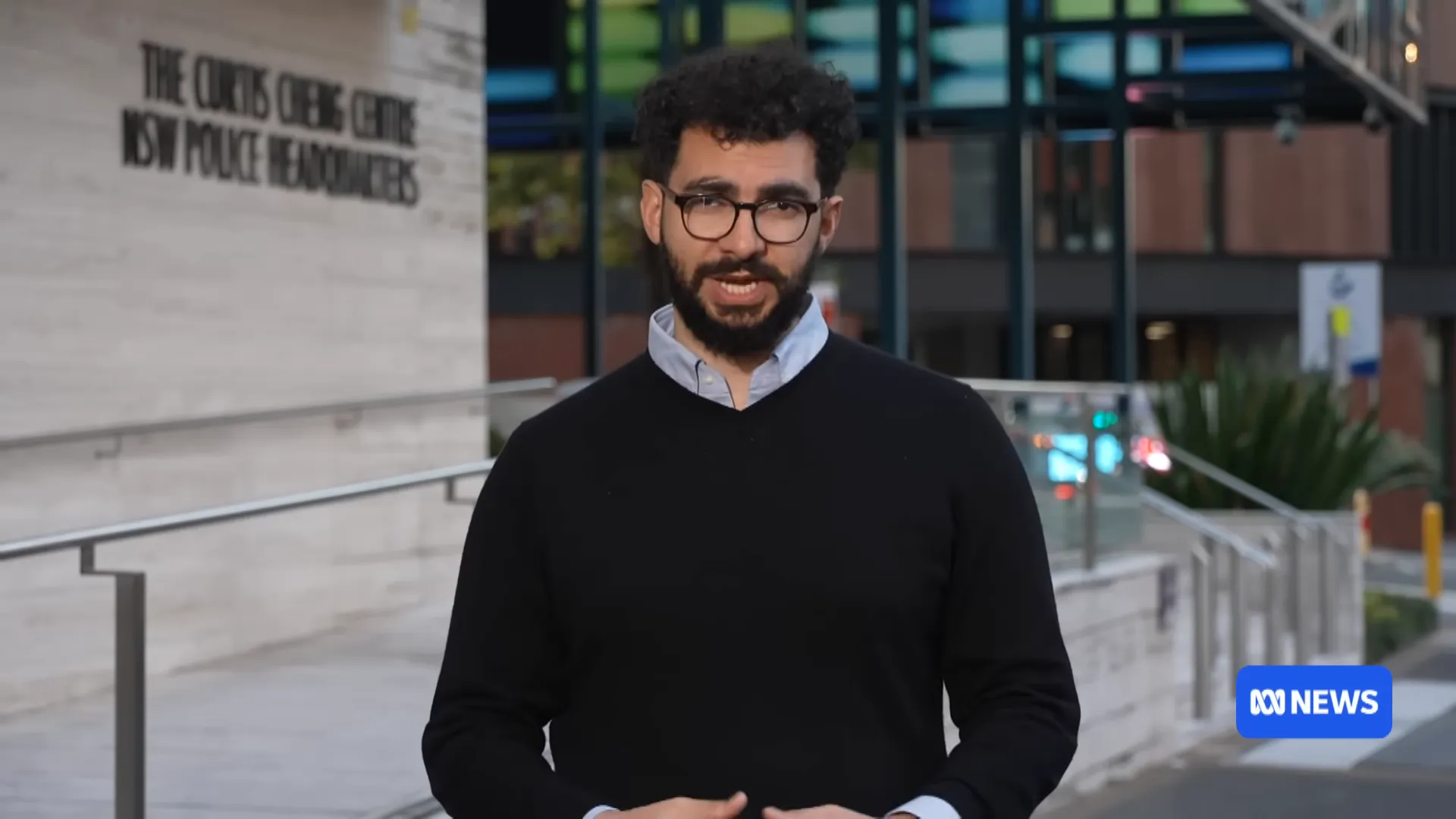
The brothers have lodged a formal complaint with police; investigators now have the footage and are looking into the alleged assault. Police have not publicly identified suspects, and attempts to reach the alleged attackers for comment have been unsuccessful so far.
Politically, some commentators and community members have pointed to state leadership decisions in the days before the rallies. In the lead-up, calls were made to discourage unnecessary provocation. There were also legal moves involving police and the Supreme Court related to the march across the Harbour Bridge.
Critics argued that leadership should have been clearer and stronger in denouncing extremist elements. In previous statements, the Premier had described the March for Australia as "the last thing Sydney needed and was not welcome."
What the brothers want and next steps
- The brothers want the police to identify and charge the alleged attackers.
- They hope prosecution will serve both justice for them and a deterrent against similar racially motivated attacks.
- Community groups have called for stronger responses to public intimidation and for measures to protect vulnerable communities during politically charged events.
FAQ
Who were targeted?
The victims are two Palestinian-Australian brothers, Shamik and Majid, who say they were singled out because Majid was wearing a Palestinian kufiya.
Where did the incident occur?
The alleged assault happened on a Sydney train shortly after both brothers left a pro-Palestinian march in the city.
Were the attackers identified?
Police have the video footage and the brothers have made a formal complaint. At the time of reporting, the alleged attackers had not been publicly identified or contacted for comment.
What links does this have to the rallies that day?
The confrontation took place minutes after a pro-Palestinian march and at the same time as a large anti-immigration rally attended by far-right and neo-Nazi speakers. Observers say the charged political environment contributed to the hostility.
How can people report hate crimes?
Anyone who experiences or witnesses a hate crime should report it to local police and, where relevant, seek support from community legal centres or organisations that assist victims of racial or religious discrimination.
What can the public do?
Communities can support victims, document incidents safely where possible, and advocate for clear political leadership and policing strategies that protect vulnerable groups in public spaces.
Conclusion
This assault is a stark reminder of how political tensions can spill into everyday life and target individuals because of their heritage, appearance or beliefs. The brothers have taken the important step of involving police; it will be crucial for authorities to pursue the investigation thoroughly. Communities and leaders also have a role to play in refusing to normalise racist rhetoric and in ensuring public safety during protests and demonstrations.
Nabil al-Nashar, ABC News, Sydney.


