
Table of Contents
- What happened on 11 November 1975 and why it still matters
- Escalating scandal, a blocked Senate and political brinkmanship
- The private meeting and the dismissal
- Election and aftermath
- Why the dismissal still matters
- Key timeline
- Frequently asked questions
What happened on 11 November 1975 and why it still matters
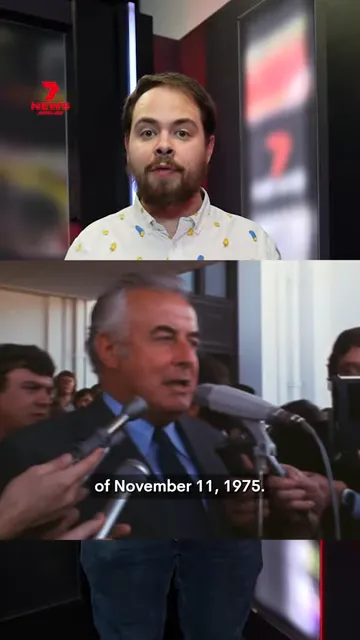
Dismissal of Gough Whitlam remains the most dramatic constitutional crisis in Australian history. On 11 November 1975 Governor‑General Sir John Kerr dismissed Prime Minister Gough Whitlam — not after an election or party ballot, but by vice‑regal fiat. The sacking toppled a government that had introduced sweeping reforms and left the nation divided over constitutional powers.
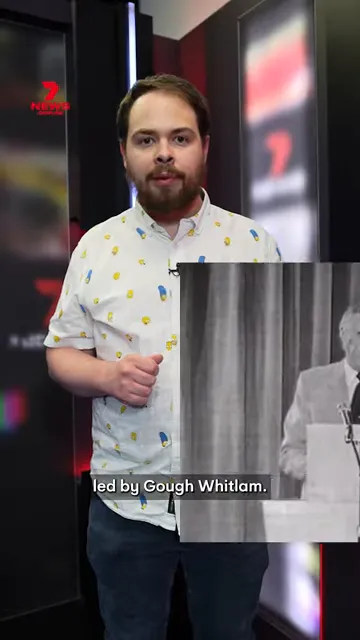
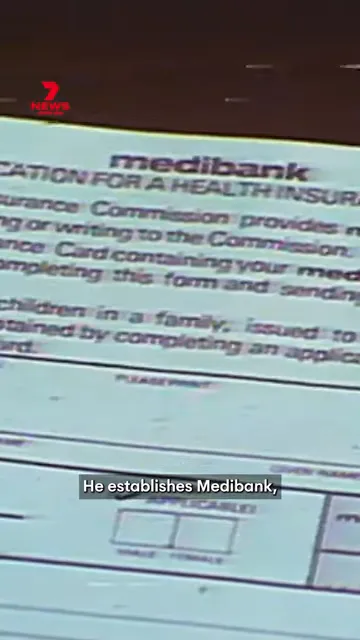
Whitlam led the Australian Labor Party to power in 1972, ending 23 years of coalition government. In a short period he delivered major social changes, ending conscription for Vietnam, establishing Medibank (the precursor to Medicare) and abolishing university fees. These reforms reshaped Australia’s public life and are central to his legacy.
But governing through the mid‑1970s proved difficult. Global shocks — notably the oil crisis — combined with domestic inflation and recession. Economic management strained the government and set the scene for political confrontation.
Escalating scandal, a blocked Senate and political brinkmanship
In 1974 and 1975 a series of events eroded Whitlam’s parliamentary position. An attempted secret loan through Pakistani banker Tirath Khemlani for billions of dollars, authorised in part by cabinet members, became a major scandal. It led to the removal of ministers and deep embarrassment for the government.

Political arithmetic then turned against the government. The death of Labor senator Bertie Milliner opened a pathway for the Opposition to block supply in the Senate. With Liberal leader Malcolm Fraser controlling the numbers in the upper house, the Opposition refused to pass appropriation bills — effectively denying the government the money it needed to function.
The result was a parliamentary deadlock not unlike a government shutdown: if supply was not passed, the Whitlam administration could not pay salaries or run programs. Whitlam sought a half‑Senate election to break the impasse, but events moved quickly from there.
The private meeting and the dismissal
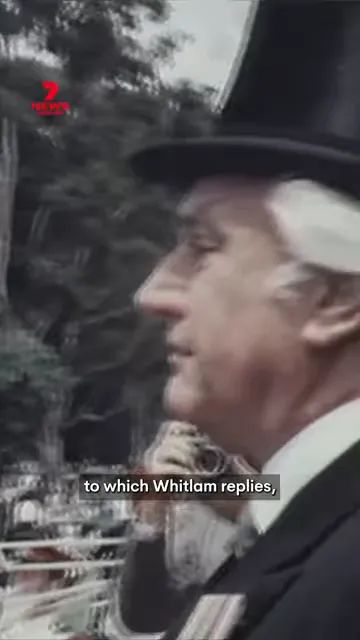
In the crucial meeting at Government House, Whitlam told Sir John Kerr he intended to govern without supply if necessary. Kerr then informed Whitlam that he had decided to dismiss the government. Whitlam replied, “You certainly will.” Kerr proceeded to commission Malcolm Fraser as caretaker prime minister on the condition Fraser secure supply and call an election.
On the steps of Parliament House Whitlam delivered an impassioned speech, including the now‑famous lines: “Well may we say God save the Queen. Because nothing will save the Governor‑General.” Inside Parliament, the Fraser caretaker government secured the passage of supply bills and restored day‑to‑day governance.
Election and aftermath
A month later a double dissolution election handed Malcolm Fraser a landslide victory, with the Coalition winning a record 55‑seat majority over Labor. Whitlam remained Labor leader for two more years but never returned to The Lodge as prime minister.
The dismissal sparked intense debate about the Governor‑General’s reserve powers and the Victorian constitutional conventions that underpin them. Supporters of Kerr argue he averted a financial and constitutional crisis; critics say he overreached, dismissing a government that still had the confidence of the House of Representatives.
Why the dismissal still matters
The episode exposed a gap between convention and written constitutional authority. The Governor‑General retains the reserve powers to dismiss a prime minister, and those powers remain unchanged. The crisis therefore endures in public memory as a warning: when the Senate and the House are deeply antagonistic, vice‑regal intervention remains a remote but real possibility.
- Short‑term impact: Government turnover, a landslide election and damaged public trust.
- Long‑term legacy: Ongoing debate about republicanism, constitutional reform and the limits of vice‑regal power.
Key timeline
- 1972 — Whitlam leads Labor to government and implements major reforms.
- 1974 — Economic struggles and the Khemlani loan scandal weaken the government.
- 1975 — Senate blocks supply; Whitlam seeks a half‑Senate election.
- 11 November 1975 — Governor‑General Sir John Kerr dismisses Whitlam; Malcolm Fraser becomes caretaker PM.
- December 1975 — Fraser wins a decisive election victory.
Frequently asked questions
What exactly happened on 11 November 1975?
Governor‑General Sir John Kerr dismissed Prime Minister Gough Whitlam after the Senate blocked supply. Kerr then installed Malcolm Fraser as caretaker prime minister on the condition that Fraser secure supply and call an election.
Who is responsible for the dismissal?
Sir John Kerr carried out the dismissal using his reserve powers as Governor‑General. The move remains contentious, with historians and politicians divided over whether Kerr acted appropriately.
Could the Governor‑General do it again?
Legally, the Governor‑General still holds reserve powers that could be used in similar circumstances. Any future use would be politically explosive and likely provoke debate about constitutional reform.
Did Whitlam ever return as prime minister?
No. Whitlam remained Labor leader until 1977 but never returned to the Lodge as prime minister after the 1975 dismissal.
What reforms did Whitlam implement before the dismissal?
Whitlam’s government ended conscription for the Vietnam War, established Medibank (later Medicare), abolished university fees and introduced a wide range of social and cultural reforms.
The information in this article has been adapted from mainstream news sources and video reports published on official channels. Watch the full video here A brief history of the dismissal: 7NEWS revisits what led to John Kerr's showdown with Gough Whitlam


