Table of Contents
- Vintage TV moment captures everyday Australians learning they'd won life-changing prizes
- How the surprise unfolded
- Multiple winners, different reactions
- Why these moments mattered then — and now
- What the reactions tell us about money and community
- Preserving a slice of television history
- Key takeaways
Vintage TV moment captures everyday Australians learning they'd won life-changing prizes
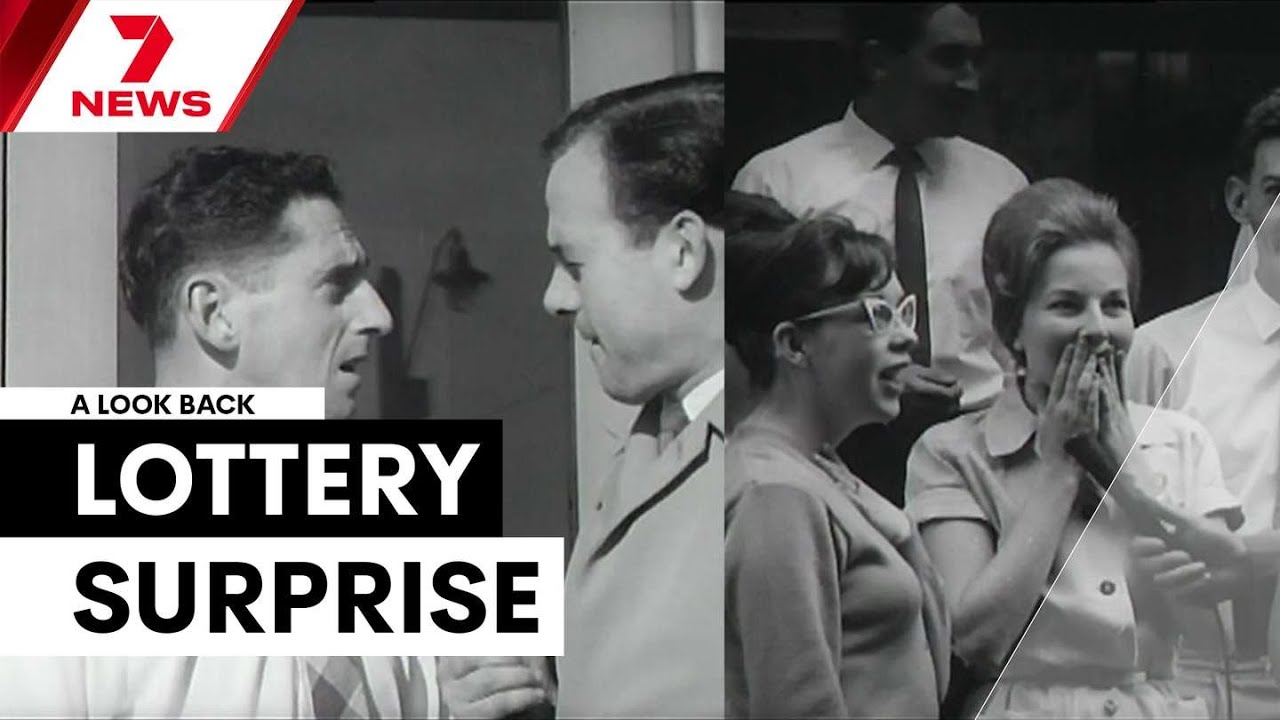
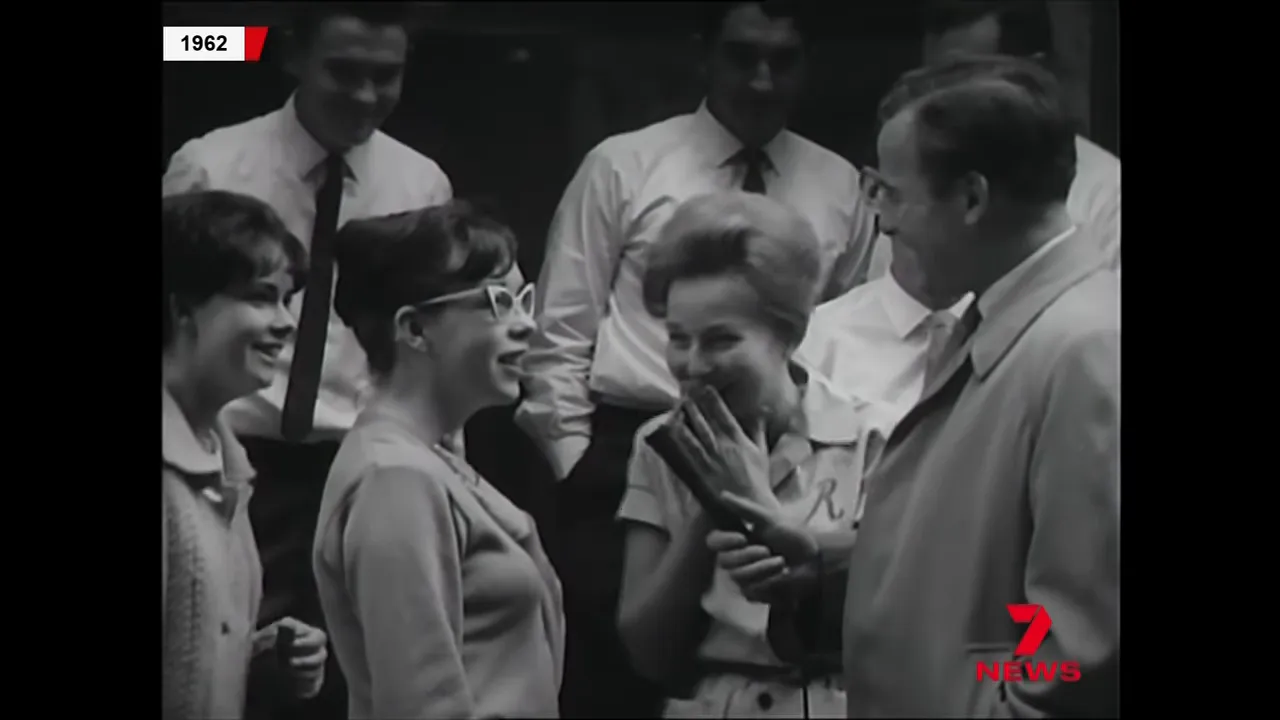
Lottery winners were unexpectedly told their fortunes on camera during a 1962 episode of Seven’s Instant People. Host Keith Smith and the production team visited homes across Sydney to deliver New South Wales State Lottery results in person, catching genuine reactions from syndicate members and individuals alike.
The short, candid clips show winners receiving notices that the lottery barrel had turned in their favour — from a first-prize winner of £6,000 to syndicate payouts and smaller, but still welcome, sums.
How the surprise unfolded
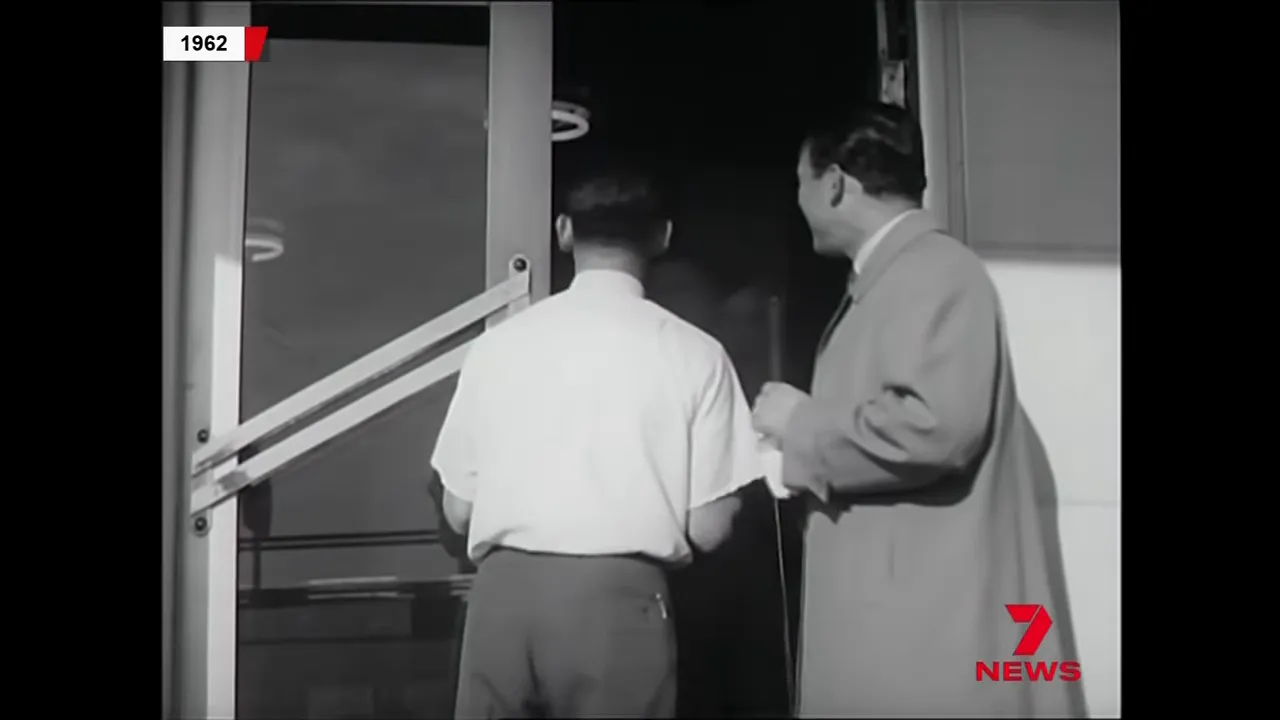
The crew announced the draw number and read official results before knocking on doors. At the heart of the segment was the iconic lottery barrel — a symbol of chance and collective hope. The production framed the piece as a hunt for newsworthy human reactions, and it delivered.
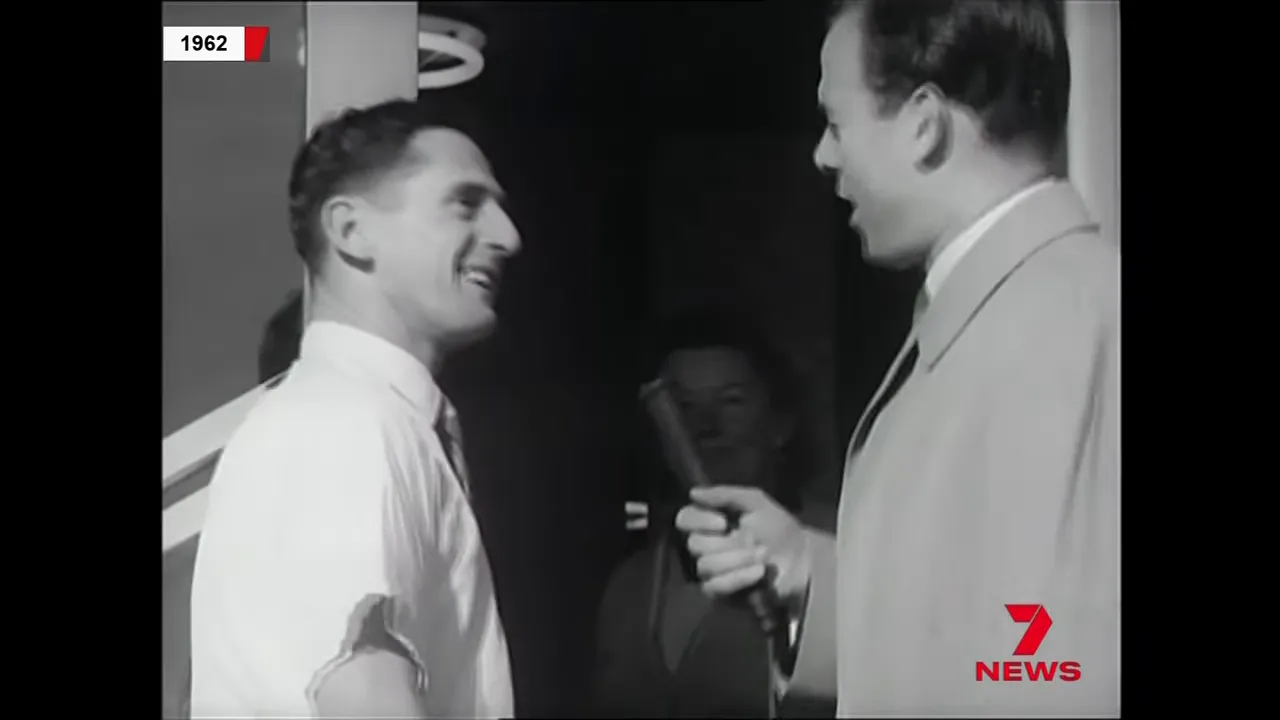
One memorable visit was to Mr Lang, whose syndicate ticket matched the winning numbers and secured him a first prize of £6,000. When the presenter asked for Mrs Lang, she remained upstairs, reluctant to face the attention. The exchange captured a mix of shock, private emotion and plain-speaking Australian humour that made the moment feel intimate rather than staged.
Multiple winners, different reactions
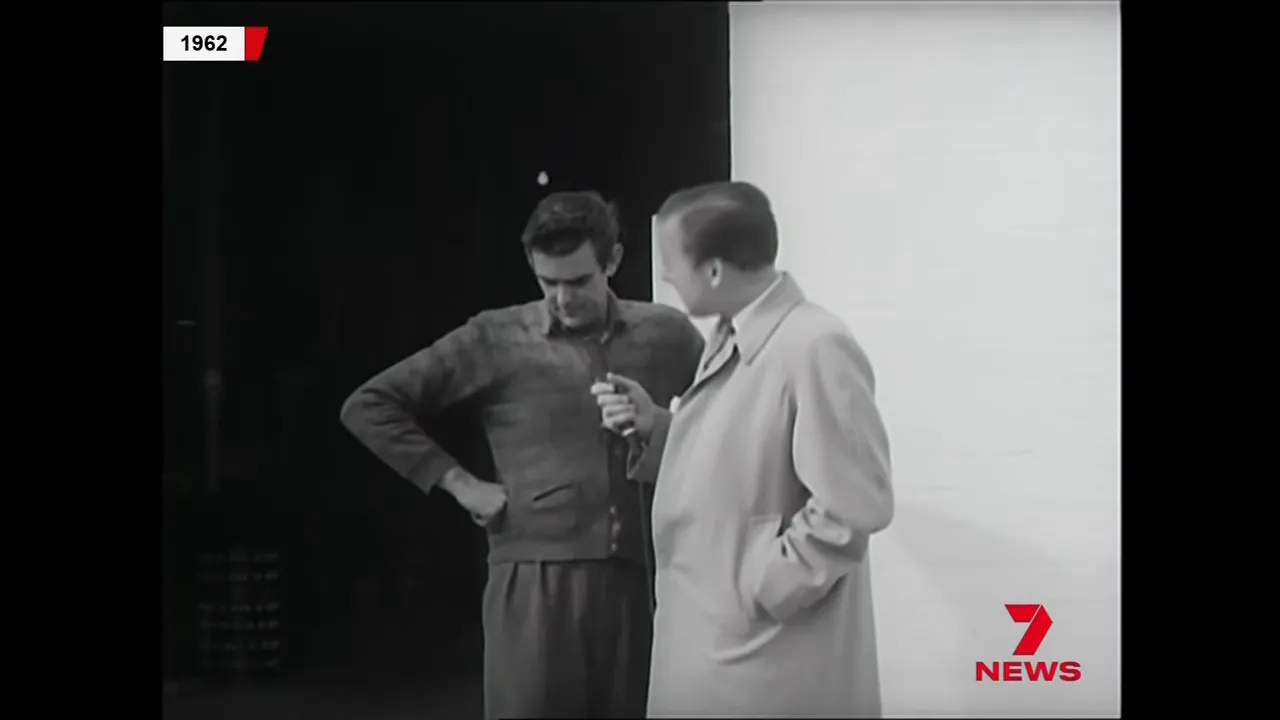
Not every reaction was the same. Some winners were quietly amused, others shouted with joy, and a few paused to work out what the payout meant for a group of co-workers who had pooled money into a syndicate.

In one case a workplace syndicate learned it had won about £1,000, with members estimating their personal share on the spot. Another recipient received a smaller prize of £500, only to discover it was split between others in the pool, which softened the immediate celebration but still brought relief and plans for how to spend the money.
Why these moments mattered then — and now
Television in the early 1960s was still discovering its role as a social mirror. Surprise segments like this revealed ordinary people’s lives and the public appetite for authentic emotional response. They also highlighted how community-driven lottery syndicates spread risk and reward across workplaces and social groups.
The NSW State Lottery, referenced on the show, was a major fundraiser and distributed significant sums each year — a fact that made televised reveals both newsworthy and aspirational for viewers dreaming of a windfall.
What the reactions tell us about money and community
- Shared wins underline the social nature of lotteries: many prizes are split among syndicate members, turning personal luck into collective benefit.
- Calm reactions can mask relief more than indifference — pragmatic winners often immediately consider debts, family needs or small treats.
- Televised surprises framed the lottery as a public ritual, where private emotion became part of a communal story.
Preserving a slice of television history
Footage like this is valuable for historians, media students and anyone interested in post-war Australian life. It shows how broadcast producers sought authenticity and how audiences responded to unscripted joy. For modern viewers, the clip is both a time capsule and a reminder that human reactions to good news remain timeless.
Who presented the segment and when was it recorded?
The segment was presented by Keith Smith on Seven’s Instant People and dates from 1962, during the early years of Australian television.
What prizes were revealed in the footage?
The show features a range of payouts, including a first prize of £6,000 for a syndicate ticket, syndicate shares amounting to around £1,000, and smaller prizes such as £500 that were shared among group members.
How did syndicates work and why were they common?
Syndicates pooled money from friends or co-workers to buy multiple tickets, increasing the chance of winning. Any prize was then split among members, making lotteries more accessible and socially engaging for everyday people.
Where does this footage come from?
The clip is archival material released by 7NEWS Australia from their vault, showing NSW State Lottery announcements and on-the-door surprises captured for television.
Key takeaways
- Televised surprise announcements offered authentic human moments and made lottery wins a public spectacle.
- Syndicates turned individual luck into shared benefit, shaping how winners reacted and planned for payouts.
- Archival footage like this gives contemporary viewers insight into social attitudes and broadcast styles of the 1960s.
The information in this article has been adapted from mainstream news sources and video reports published on official channels. Watch the full video here 'You've won the lottery!': TV presenter surprises people with life-changing news | 7NEWS VAULT


