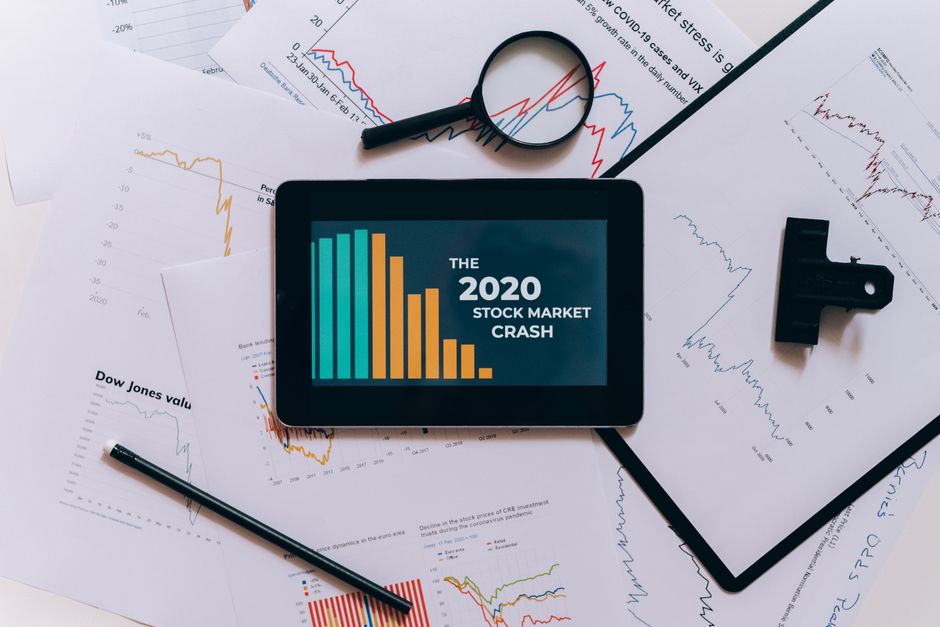
Wall Street's week-long sell-off reached a painful crescendo on Friday, with the S&P 500 shedding 3.7 per cent to officially enter correction territory, having now fallen more than 10 per cent from its all-time high set on October 6. The tech-heavy Nasdaq composite plunged 5.3 per cent, wiping out all of its gains for the year. The Australian sharemarket is bracing for yet another difficult session, with futures pointing to a loss of around 49 points, or 0.6 per cent, at Monday's open, which would mark a seventh consecutive day of losses.
Wall Street's Worst Week in Over 18 Months
Friday's carnage capped the worst weekly performance for the S&P 500 since April 2025, when escalating trade war tensions rattled global markets. The seven-day losing streak is the longest the index has suffered since the onset of the COVID-19 pandemic in 2020. The last time the S&P 500 entered a formal correction was March 2025.
The Dow Jones Industrial Average, which carries less exposure to technology companies, held up comparatively better but still fell 1.9 per cent on the day. The Philadelphia Semiconductor Index was among the hardest hit, tumbling 10.7 per cent.
The sell-off was not confined to the United States. Japan's Nikkei and South Korea's Kospi each fell more than 5 per cent, while European indexes also dropped sharply, reflecting a broad global flight from risk assets. Commodity markets were caught up in the retreat as well, with falls across both base and precious metals likely to weigh on Australian mining stocks when the market opens.
The Australian dollar was weaker, sitting at US66.28 cents heading into Monday's session.
AI and Chip Stocks at the Heart of the Rout
The sell-off was driven overwhelmingly by artificial intelligence-linked stocks, which have been the primary engine of Wall Street's gains over the past two years but are now leading the market lower. AI stocks have been swinging wildly as sentiment shifts amid growing concerns that the enormous valuations and capital spending commitments tied to the AI boom may not be justified.
Chip manufacturers bore the heaviest losses on Friday. Advanced Micro Devices fell 13.3 per cent, Micron Technology slid 13.9 per cent and Broadcom dropped 12.2 per cent. Optical products company Corning fell 10.9 per cent, while energy provider Bloom Energy shed 15.3 per cent.
Nvidia, widely regarded as the defining stock of the AI boom, closed 14 per cent lower on Friday, its ninth decline in the past 10 trading sessions. The company's shares have now fallen more than 30 per cent since the sudden departure of co-founder and former chief executive Jensen Huang earlier this month added a layer of company-specific uncertainty to the broader sector anxiety.
Fears of a bubble within the AI sector have been compounded by the outcome of recent midterm elections, in which candidates advocating for a slowdown in data centre construction won seats at both federal and state level, raising questions about the regulatory and political environment surrounding the industry's expansion.
Michael Antonelli, a market strategist at Baird, said the market was repricing expectations around unlimited AI spending. "The whole notion that AI can continue to spend unlimited amounts of money and support the stock market, I think the notion of that is ending as we speak," he said. However, Antonelli added that he did not believe this marked the end of the broader bull market that began in October 2022.
Those concerned about stretched valuations may find the current environment unsurprising. Warning signs of a correction have been building, with valuation metrics reaching levels not seen since the dot-com era.
Anthropic's Debut Fizzles Amid the Carnage
In what should have been a moment of celebration for the AI industry, the market debut of Anthropic, the maker of the Claude AI tool, was swept up in the broader rout. After completing what was described as the biggest public stock offering in history, with its valuation briefly surpassing $2 trillion, the stock fell 8.5 per cent on its first full day of trading, closing at $US88.91. Despite the sharp pullback from its intraday peak, the stock remained above its IPO price of $US83 per share.
What to Watch as the ASX Opens
Australian investors will be watching mining stocks closely when the market opens on Monday. Falling commodity prices across both base metals and precious metals on Friday are expected to add further selling pressure to the resources sector, which has already been under strain during the recent run of losses. Miners and banks have been dragging on the ASX for much of the recent period of weakness.
With futures pointing to further declines and no clear catalyst for a reversal in sight, attention will turn to whether any stabilisation in global technology stocks can provide relief, or whether the correction on Wall Street has further to run.