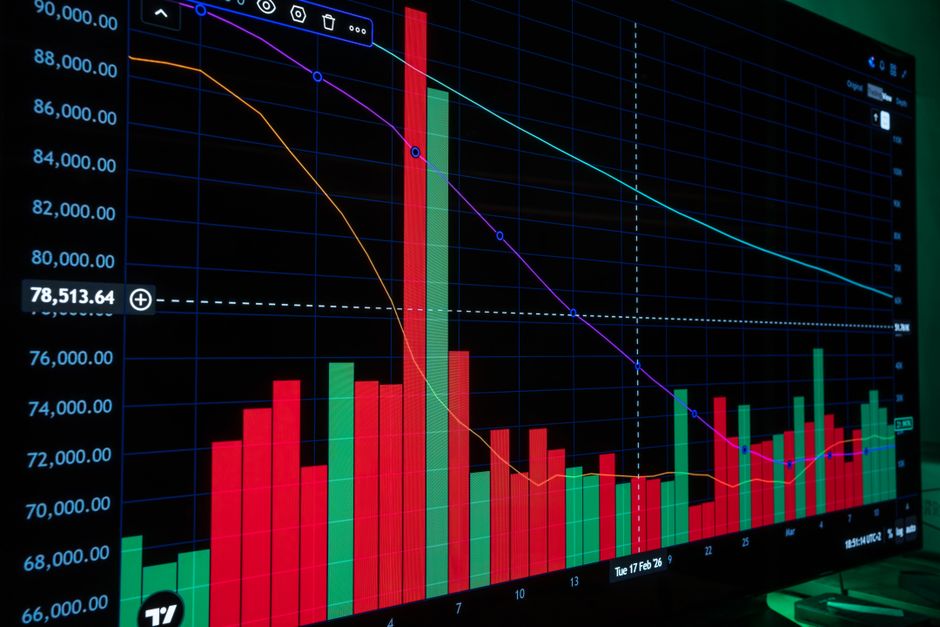
Artificial intelligence has sent Wall Street on a stomach-churning ride over the past fortnight, with hundreds of billions of dollars surging in and out of AI-exposed stocks as investor sentiment flipped from existential dread to euphoric optimism — and back again — in the span of days.
The extraordinary volatility has left investors scrambling to keep pace with a market where the dominant narrative can reverse itself within days. "This has been a narrative market and the narrative changes every other week," said Nancy Tengler, chief executive at Laffer Tengler Investments.
How the AI selloff began — and why it evaporated
The turbulence began on 12 September, when Anthropic chief executive Dario Amodei published an essay calling for a slowdown in the development of cutting-edge Artificial intelligence models. The call was quickly endorsed by OpenAI chief executive Sam Altman and SpaceX chief executive Elon Musk, lending the warning significant weight and appearing to validate growing concerns about the existential risks the technology may pose.
Markets responded immediately. On the first trading day after the essay's publication, AI infrastructure stocks tumbled sharply, with investors fearing that any brake on development would translate directly into reduced demand for computing hardware. The tech-heavy Nasdaq 100 Index fell 1.5 per cent between 14 and 15 September, wiping out more than $US600 billion ($850 billion) in market value in a matter of hours.
Those fears proved short-lived. The following week, excitement erupted around the popularity of Meta Platforms' Muse personal assistant, prompting a dramatic reversal. Meta shares surged 11 per cent in a single day, putting the Facebook and Instagram parent on course for its best month in over a decade. Chipmakers Intel and Advanced Micro Devices each rallied more than 9 per cent, and the Philadelphia Stock Exchange Semiconductor Index — known by its ticker SOX — climbed 6 per cent across Monday and Tuesday alone.
By the end of the week, the Nasdaq 100 had notched its first record high since early June, and a staggering $US3 trillion had been added to the index since its 15 September low.
Winners and losers as AI disruption takes hold
The Muse-driven enthusiasm was not good news for everyone. Traders grew increasingly concerned that AI agents — capable of tasks such as price comparison, trip bookings and customer service — would erode the business models of companies relying on recurring billing or negotiable pricing.
The consequences were swift: insurer Allstate fell 8.9 per cent for the week, cable provider Charter Communications dropped 12 per cent, and gym chain Planet Fitness shed 14 per cent. The pattern echoed an earlier episode this year when releases of AI tools from Anthropic triggered broad sell-offs across software-as-a-service companies and asset managers.
"The moves are staggering in both directions," said Rhys Williams, chief strategist at Wayve Capital Management. "It's hard to explain from a fundamental point of view."
A volatile pattern that shows no sign of stopping
Rapid sentiment shifts are not entirely new for a market that has been driven higher by AI for nearly four years. Earlier in 2025, fears sparked by the emergence of a low-cost Chinese AI model called DeepSeek sent semiconductor stocks plunging — Nvidia, which dominates the AI chip market, dropped 17 per cent in a single day. Those fears eventually proved unfounded, but the episode demonstrated just how sensitive the market had become to any perceived threat to AI spending momentum.
That sensitivity has not diminished. After doubling from the start of the year through to 22 June, the SOX semiconductor index tumbled 29 per cent to a low struck on 29 July before staging a partial recovery.
Beyond safety concerns, investors face additional headwinds: soaring interest rates are making AI development more expensive, and there is a growing public backlash against the proliferation of data centres. With AI spending by tech giants and start-ups continuing to balloon, the stakes — and the market swings — are only growing larger.
For those tracking how Wall Street valuations compare to historical extremes, the current AI-driven volatility adds another layer of complexity to an already stretched market.