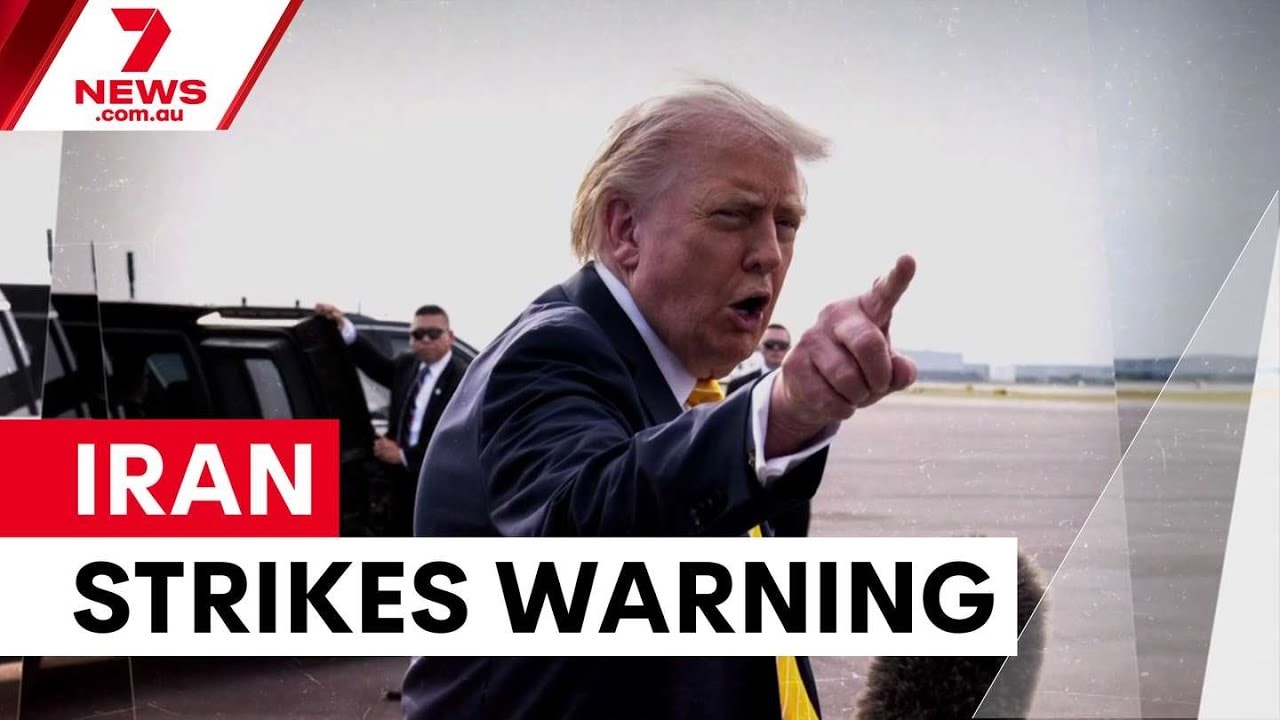

WASHINGTON, US — Trump Iran strikes are back in focus after Donald Trump warned the United States could resume military action against Iran if Tehran, in his words, “misbehaves”. The warning came as the US president said he was reviewing a peace proposal sent by Iranian officials, even while signalling he was doubtful it would meet American demands.
The remarks have raised fresh concerns that a fragile ceasefire could unravel quickly, especially with core disagreements over Iran’s nuclear program still unresolved. While diplomatic contact appears to be continuing, the public tone from Washington suggests the path to de-escalation remains highly uncertain.
Fresh threats as a peace proposal lands in Washington
The latest tension centres on a proposal from Iran aimed at ending the war. Trump said Iranian officials had outlined the concept of a deal and that he was waiting on the precise wording, but he made clear he was not inclined to accept it at face value.
Speaking before travelling from West Palm Beach to his golf club in Miami, Trump said the US was “doing very well with regard to Iran” and argued that Iran now wanted a deal because it had been “decimated”. He also left open the possibility of renewed strikes if he judged Iran’s conduct unacceptable.

The message from the White House was not one of cautious optimism. Instead, it was framed as pressure diplomacy: review the proposal, but keep the threat of force in reserve.
“If they misbehave, if they do something bad … it’s a possibility that could happen, certainly.”
Why the proposed deal may not satisfy the US
Trump later sharpened his position in a written statement, saying he would soon review the Iranian plan but could not imagine it being acceptable. His reasoning was both political and strategic, suggesting he believed Iran had not yet paid a “big enough price” for its actions.
That language matters because it hints at a broader American calculation: any agreement that does not appear to extract major concessions from Tehran may be difficult for Trump to support publicly, particularly after military action has already taken place.

Reports indicate the Iranian plan includes reopening the Strait of Hormuz, a vital shipping route for global energy markets. That would be a significant step in easing immediate regional and economic pressure.
However, the more difficult issue appears to have been deferred. Talks on Iran’s nuclear program would reportedly be left for later, and that is where Washington’s red line remains firm.
The nuclear issue remains the central obstacle
The United States has repeatedly maintained that Iran can never be allowed to possess a nuclear weapon. That demand has been treated as non-negotiable, and it remains the central condition shaping Washington’s approach.
If the current proposal focuses first on reopening maritime routes and stabilising the ceasefire, but postpones the nuclear question, the gap between both sides may still be too wide for a durable settlement. In other words, a plan that calms the immediate crisis may not solve the dispute driving it.
That is why fears of renewed fighting remain strong. One Iranian official has already warned that hostilities could resume if progress is not made, underscoring how unstable the current pause appears to be.
Why the Strait of Hormuz matters
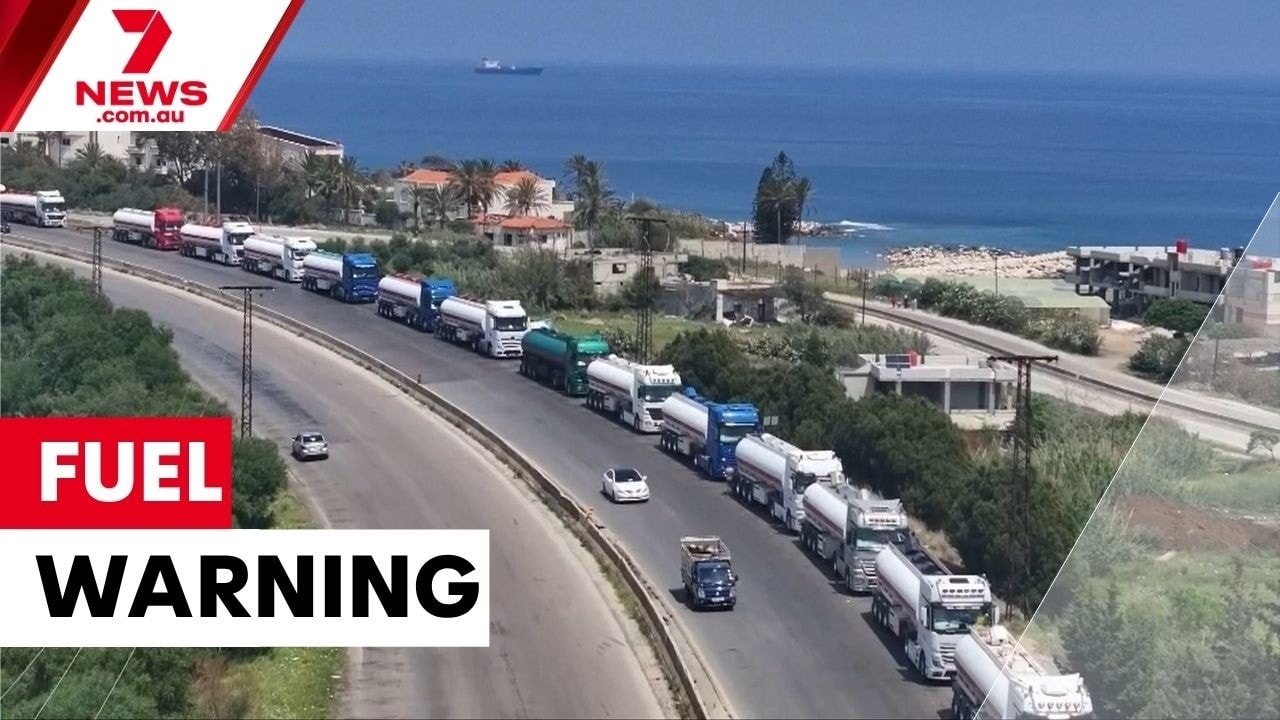
The reported inclusion of the Strait of Hormuz in Iran’s proposal is especially significant because it is one of the world’s most important maritime chokepoints. A large share of global oil and gas shipments passes through the narrow waterway, making any disruption a major international concern.
Reopening the strait would likely be seen as a practical confidence-building measure. It could help reassure markets, reduce pressure on shipping, and signal at least some willingness by Tehran to de-escalate.
For broader context on the strategic importance of the waterway, the US Energy Information Administration has detailed how critical the Strait of Hormuz is to global energy flows.

But symbolism and shipping access alone are unlikely to satisfy Washington if the nuclear question remains unresolved. That tension sits at the heart of the current standoff.
Trump faces pressure at home as the conflict drags on
The longer the situation remains unsettled, the more domestic political pressure Trump is likely to face in the United States. Recent polling cited in the report shows a majority of Americans do not support his military action against Iran.
According to those figures, 61 per cent say it was a mistake to take military action. That is a serious warning sign for any president trying to sustain public backing during a volatile overseas confrontation.
Public opinion does not automatically dictate military or diplomatic strategy, but it does shape the political room available for escalation. If hostilities resume without a clearly defined outcome, criticism at home could intensify.
Republican support gives Trump room to manoeuvre
Despite broader public scepticism, Trump still appears to retain support from Republicans who argue that striking Iran was the right decision. That backing gives him some political cover if he chooses to maintain a hard line.
The split between wider public concern and partisan support is important. It means Trump is not operating in a political vacuum, but neither does he have a broad national consensus behind him.
That dynamic could influence what happens next. A president with strong support inside his own party may feel emboldened to issue threats, but negative polling can still constrain how far he is willing to go in practice.

What happens next
The immediate next step is straightforward: Trump reviews the Iranian proposal and decides whether it offers enough to justify further diplomacy. Yet the larger picture is far more complicated.
If the proposal meaningfully reduces regional risk and creates space for future negotiations, it could extend the ceasefire. If it fails to address Washington’s fundamental demands, particularly on nuclear weapons, the threat of renewed strikes will remain very real.
That leaves the conflict at a delicate moment. There is a proposal on the table, a public threat from the US president, warnings from Iran that fighting could resume, and no clear sign that the toughest issue has been resolved.
For readers seeking broader reference on US policy towards Iran’s nuclear ambitions, the US Department of State provides ongoing official statements and background on American foreign policy positions.
Key takeaways
- Donald Trump has warned the US could resume strikes on Iran if Tehran “misbehaves”.
- Iran has submitted a peace proposal that Trump says he will review, though he has already signalled strong doubts.
- The reported plan includes reopening the Strait of Hormuz while leaving nuclear talks for later.
- Washington’s main non-negotiable demand remains unchanged: Iran cannot be allowed to obtain a nuclear weapon.
- Polling shows domestic resistance in the US, with 61 per cent saying military action against Iran was a mistake.
- Republican backing still gives Trump political support, even as public opinion appears more divided.
- The ceasefire remains fragile and could collapse if diplomatic progress stalls.
FAQs
Why is Trump threatening more strikes on Iran?
Trump says further US strikes remain possible if Iran “misbehaves” or acts in a way Washington considers unacceptable. His comments came while he was reviewing an Iranian peace proposal and signalling that he was not impressed by it.
What is included in Iran’s reported peace plan?
The reported proposal calls for reopening the Strait of Hormuz, while discussions about Iran’s nuclear program would be dealt with later. That sequencing appears to be one reason the plan may not satisfy the US.
Why is the Strait of Hormuz so important?
The Strait of Hormuz is a critical global shipping route, particularly for oil and gas exports. Any disruption there can affect energy markets, shipping security, and wider regional stability.
What is the main sticking point between Washington and Tehran?
The central obstacle is Iran’s nuclear program. The US position is that Iran can never be allowed to have a nuclear weapon, and Washington has treated that demand as non-negotiable.
How are Americans responding to the conflict?
Recent polling cited in the report shows most Americans do not support Trump’s military action against Iran. Sixty-one per cent said it was a mistake, although Trump still has backing from Republicans who support the strikes.
Could the ceasefire collapse soon?
Yes. The situation remains fragile, and both Trump’s warning of possible renewed strikes and Iran’s signal that fighting could resume suggest the ceasefire is far from secure.
The information in this article has been adapted from mainstream news sources and video reports published on official channels. Watch the full video here Trump threatens to resume Iran strikes over peace plan | 7NEWS