Explainer: US strikes on Iran, Israel’s Lebanon incursion and the regional fallout
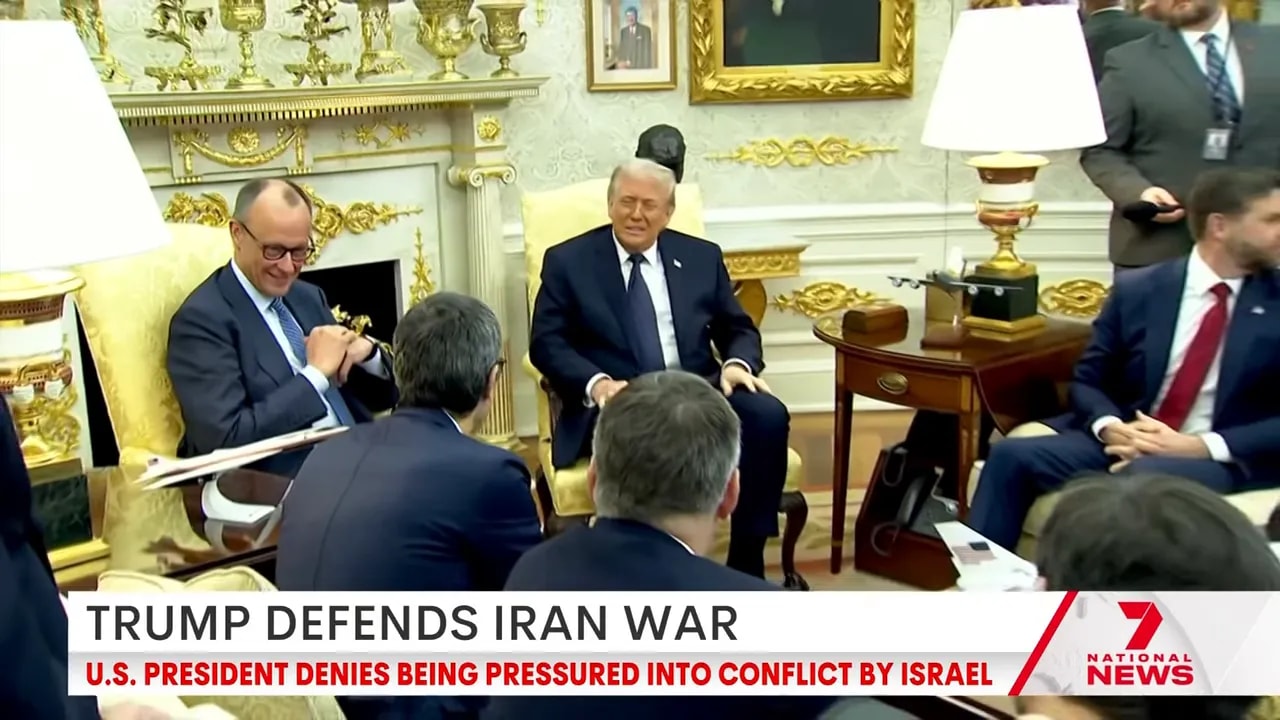
Trump denies being pressured by Israel as the White House says Operation Epic Fury has “knocked out just about everything” in Iran. The president told reporters he did not act at Israel’s behest and defended a campaign that has widened across the Middle East, closed embassies and disrupted global shipping routes.
What happened — the immediate fallout
For weeks of escalating tit-for-tat attacks, the conflict intensified when the US launched Operation Epic Fury and Tehran struck back at diplomatic and commercial targets. The US has since closed embassies across the region and urged American citizens to leave, while announcing the navy will escort tankers through the Strait of Hormuz to keep energy supplies flowing.
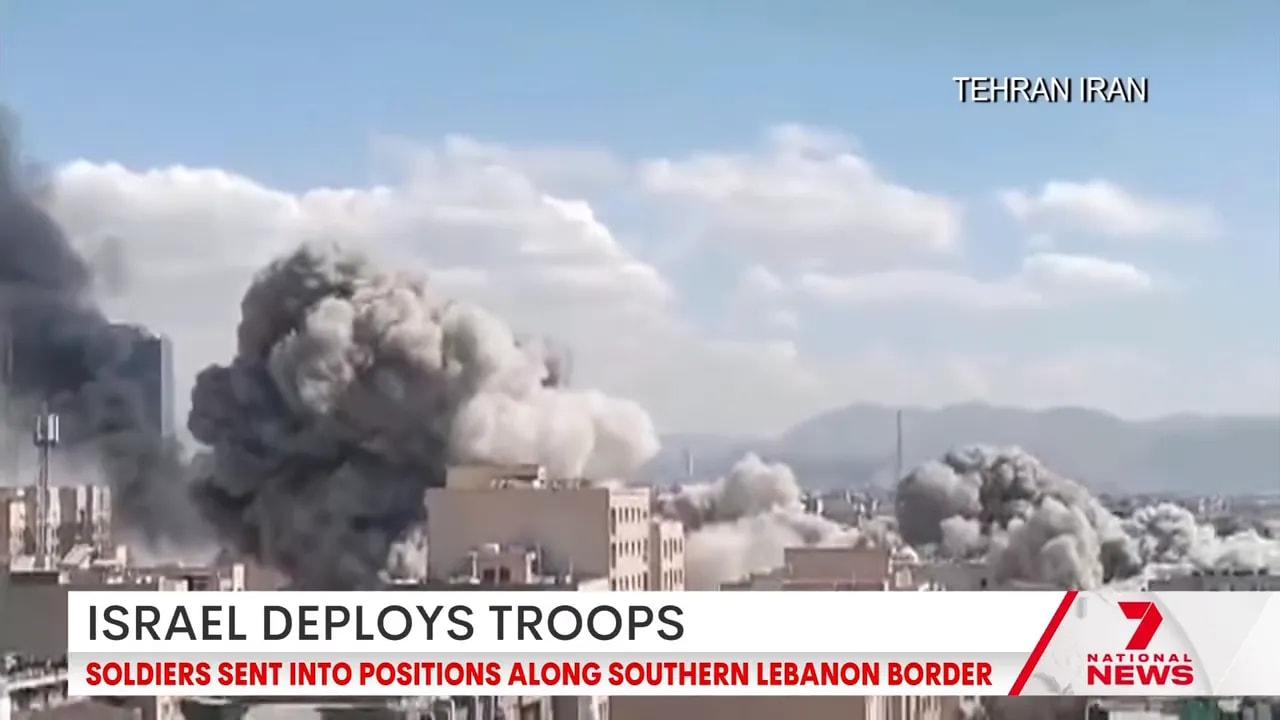
On the ground, Israel authorised a ground incursion into southern Lebanon to create a buffer against Hezbollah, and its air campaign struck targets inside Iran — including a building hosting the Assembly of Experts, a body choosing the next supreme leader. Video captured a missile collapsing part of that meeting venue.
Who said what — the key lines from leaders
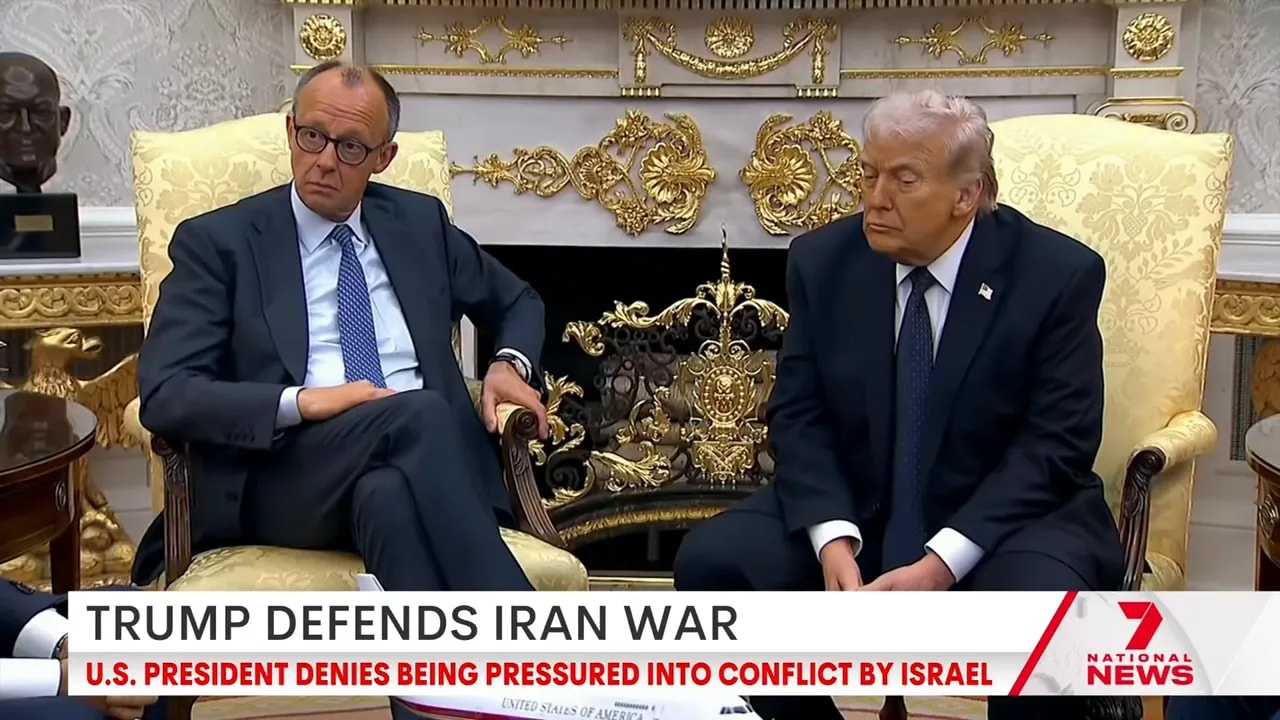
President Trump told reporters at a meeting with the German chancellor that Iranian military capabilities had been severely degraded. He denied Israel forced the timing of the offensive: “We’re having negotiations with these lunatics… So, if anything, I might have forced Israel’s hand.”
“Most of the people we had in mind are dead… and now we have another group, they may be dead also.”
Germany expressed support for removing Iran’s previous regime while stressing the need to discuss what comes next. Iran continued to strike targets across the Gulf, including an attack that damaged the US consulate in Dubai.
How the conflict has spread — regional and international impacts
Ten countries have been affected by missile or drone strikes, stretching from the Gulf to Cyprus. Casualty figures reported by humanitarian groups are mounting, with hundreds of Iranians killed, including many children after a mistaken strike on a primary school.
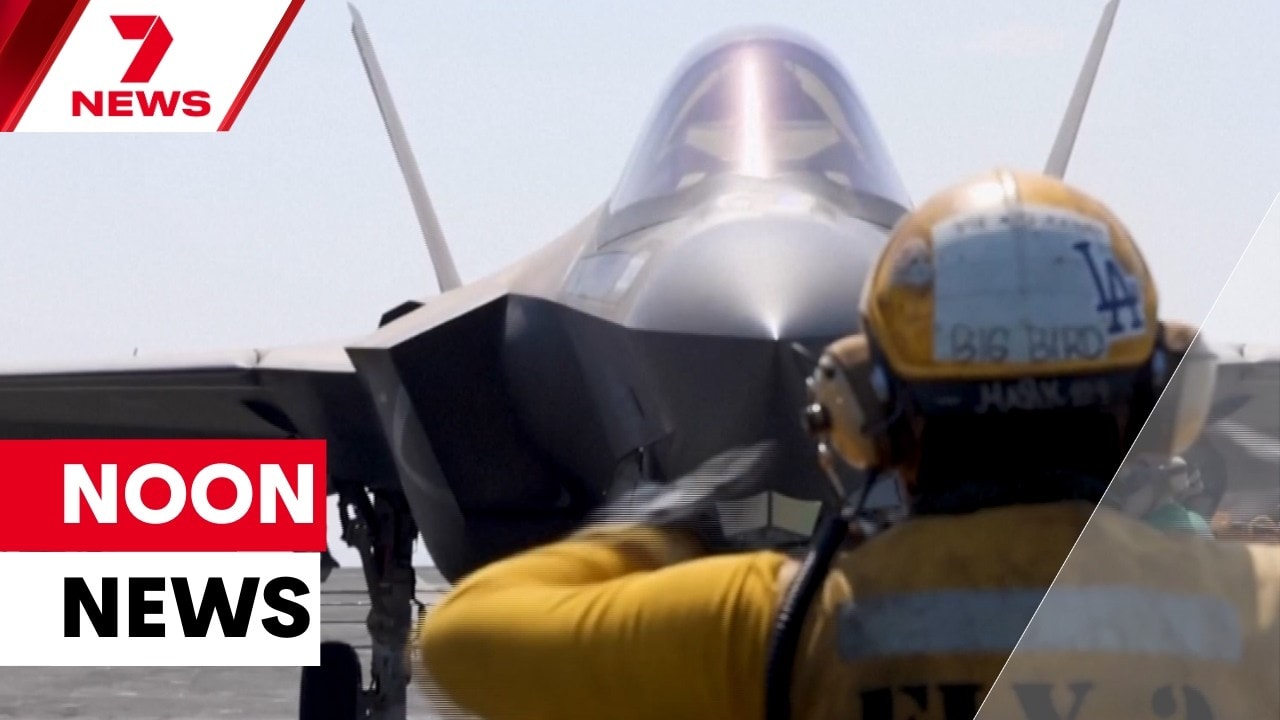
Military equipment and defensive actions have also exposed cost imbalances: footage showed a British F-35 firing a short-range air-to-air missile at an Iranian drone — a reminder that expensive Western munitions are being used to counter relatively cheap drones.
Allies under strain — the UK, US and other partners
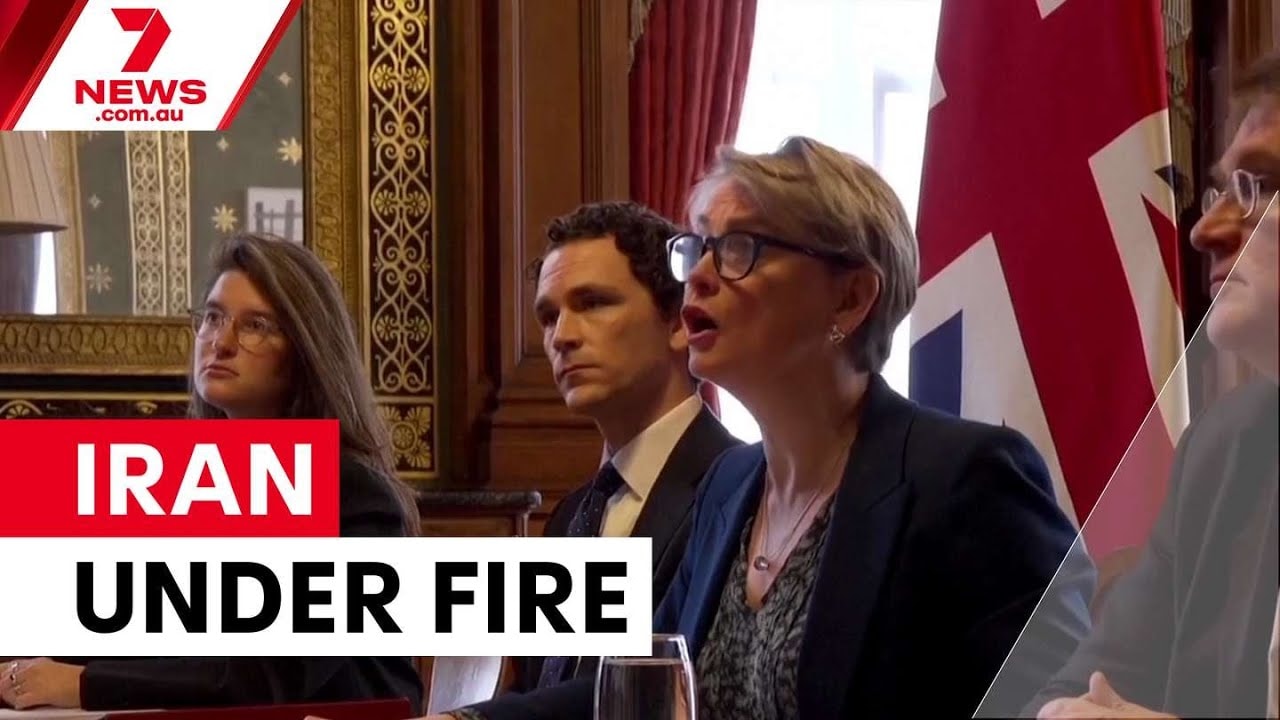
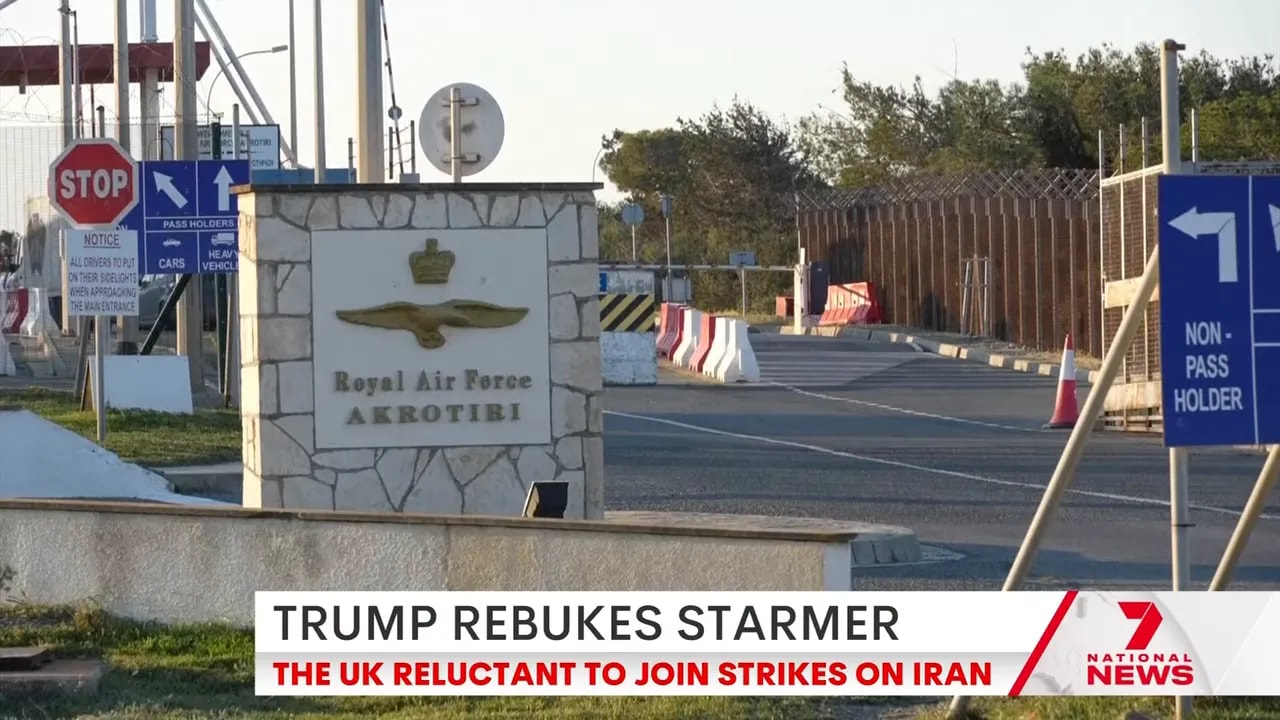
Tensions between Washington and long-standing allies soured when Britain and Spain reportedly declined US requests for certain base access. President Trump publicly criticised UK leadership, saying they were “not Winston Churchill” in his view. NATO and EU partners have stepped in with naval assets, aircraft carriers and frigates, while some countries limited involvement to defensive roles.
Why Australia is watching — economic and travel consequences
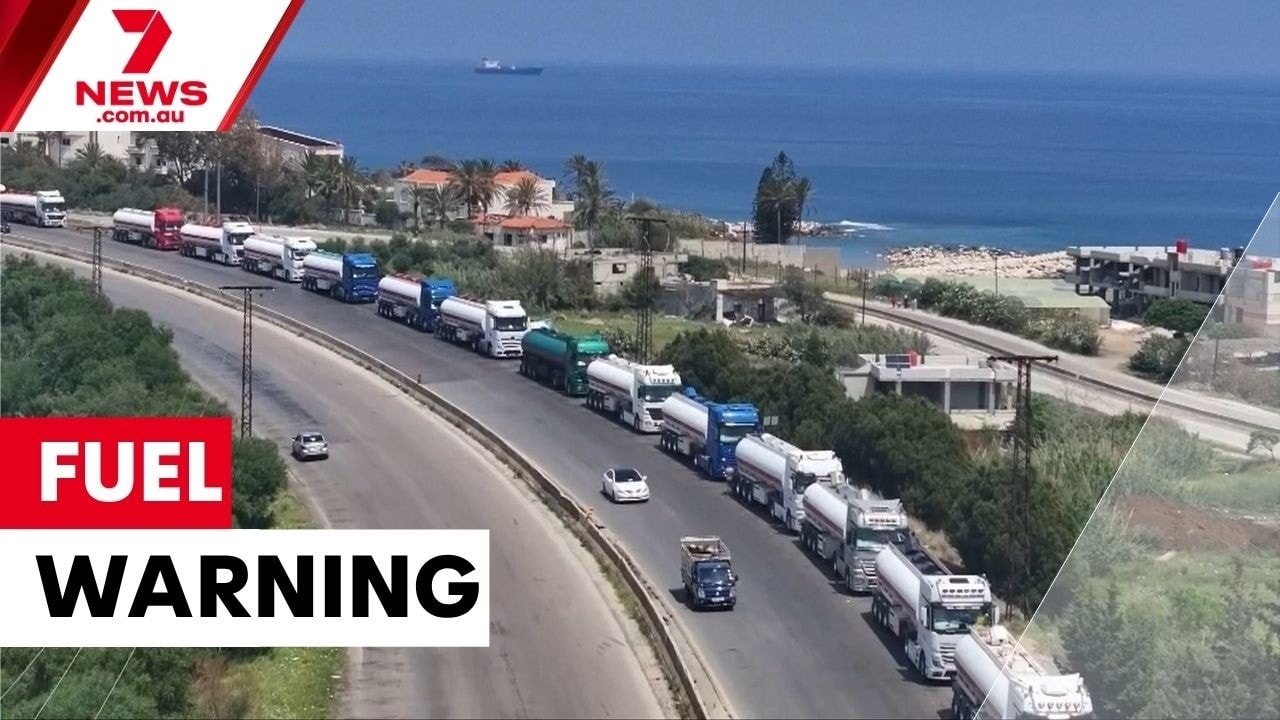
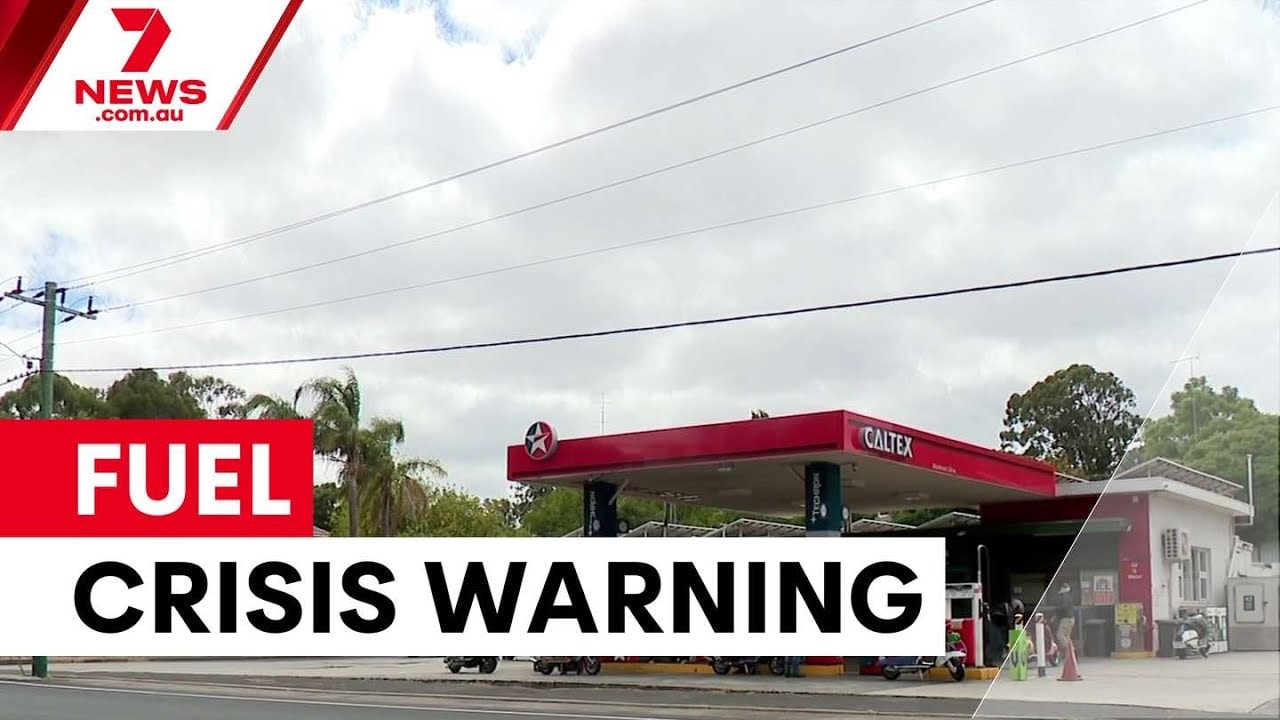
Australian politicians tabled urgent debates about energy security and inflation as global oil routes and supplies were disrupted. Forecasts from industry analysts warned of sharp petrol price rises should the Strait of Hormuz remain unsafe, which would feed into broader transport and grocery inflation back home.
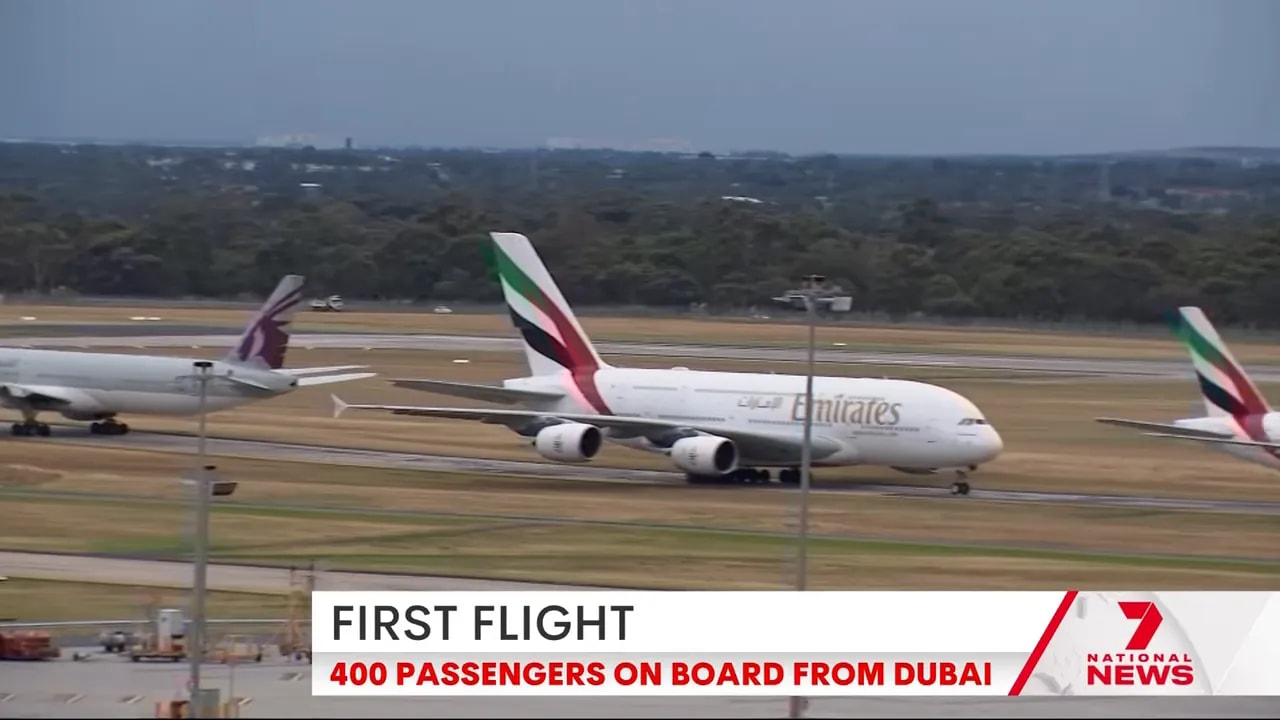
Commercial airline services between Australia and the Gulf were interrupted. After several days of grounding, an Emirates A380 departed Dubai carrying more than 400 passengers bound for Sydney — the first scheduled flight to arrive from the Middle East since airspace closures began.
Other stories affecting Australians
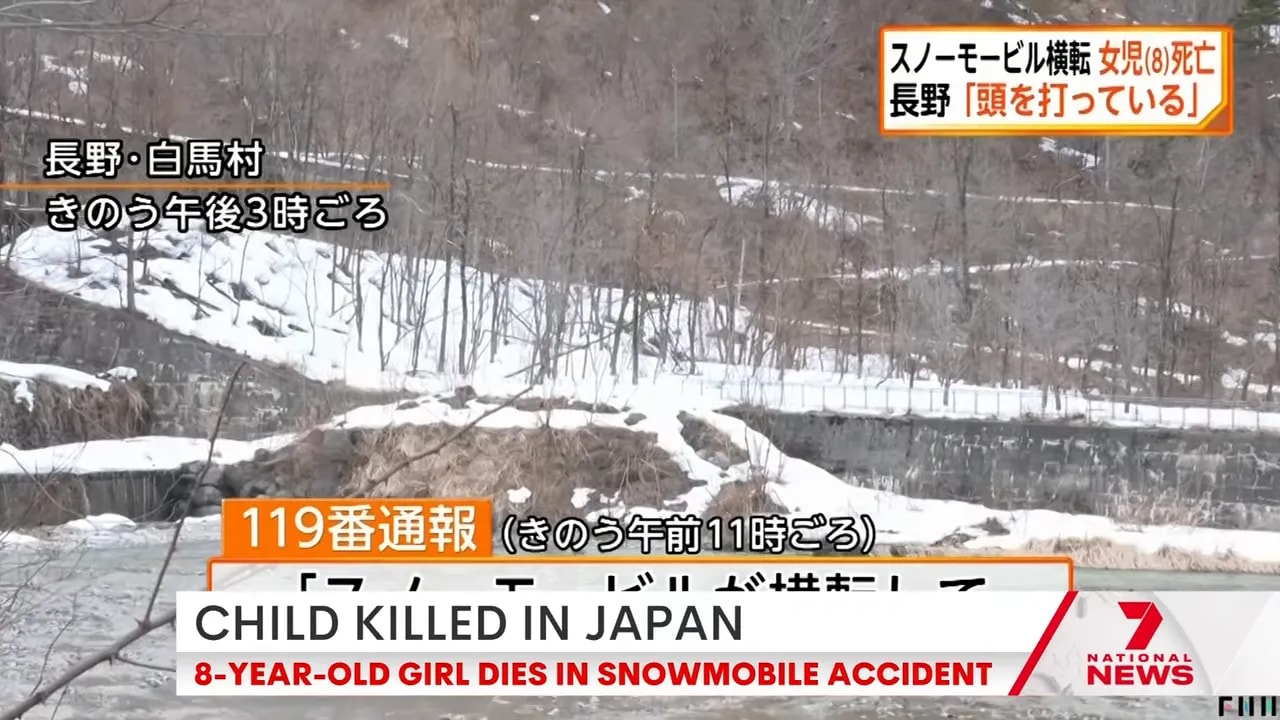
Tragedy struck an Australian family holidaying in Japan when an eight-year-old Gold Coast girl died after a snowmobile accident near Hakuba Village. Australian officials confirmed consular assistance was being provided.
Meanwhile, Melbourne Grand Prix organisers and police maintain the event’s security footprint remains strong amid the regional instability. Tourism and event sectors are watching flight cancellations and higher no-show rates closely.
What to watch next
- Diplomatic moves: which nations will mediate or seek ceasefire terms?
- Energy markets: petrol and wholesale oil prices and any disruptions in shipping through Hormuz.
- Humanitarian impact: casualty reports and displacement figures from Lebanon and Iran.
- Allied cohesion: whether the US–UK rift deepens or is patched by diplomatic channels.
Key takeaways
- President Trump has publicly denied being pressured by Israel over the timing of US strikes on Iran and claims Iran’s military capabilities have been heavily degraded.
- Israel’s ground incursion into southern Lebanon marks a new phase of the conflict, increasing civilian displacement and casualties.
- Regional strikes have spread across multiple countries, disrupting travel, trade and energy flows and raising inflation risks in Australia.
- Allied responses vary — some states have deployed naval and air assets, others have refused base access, creating diplomatic friction.
FAQs
Will the conflict affect petrol prices in Australia?
Yes. Disruption to shipping through the Strait of Hormuz and higher global risk premiums typically push international crude prices up. Industry forecasts suggest petrol at the pump could rise sharply if the situation worsens, feeding into higher transport and grocery costs domestically.Is it safe to travel to the Middle East right now?
Many governments have advised heightened caution. Several embassies in the region were temporarily closed and travellers were urged to leave. Airlines have suspended some routes; check official travel advisories and airline notices before planning travel.Has the US proven the claims that Iran’s military has been “knocked out”?
Claims of severe degradation are being made publicly by US officials, but independent verification is limited. Conflict reporting is fluid and casualty or damage assessments can change as more information becomes available.How many countries have been affected by strikes so far?
Reports indicate up to ten countries have experienced missile or drone strikes or related incidents, ranging from the Gulf states to Cyprus. The geographic spread underscores the conflict’s regional reach.What can Australians do to prepare for economic impacts?
Households can plan for higher transport costs by budgeting for fuel price rises, using price comparison tools, carpooling where possible, and limiting discretionary travel. Businesses should review supply chains and contingency plans for fuel and freight disruptions.The information in this article has been adapted from mainstream news sources and video reports published on official channels. Watch the full video here Trump denies being pressured into conflict by Israel | 7NEWS