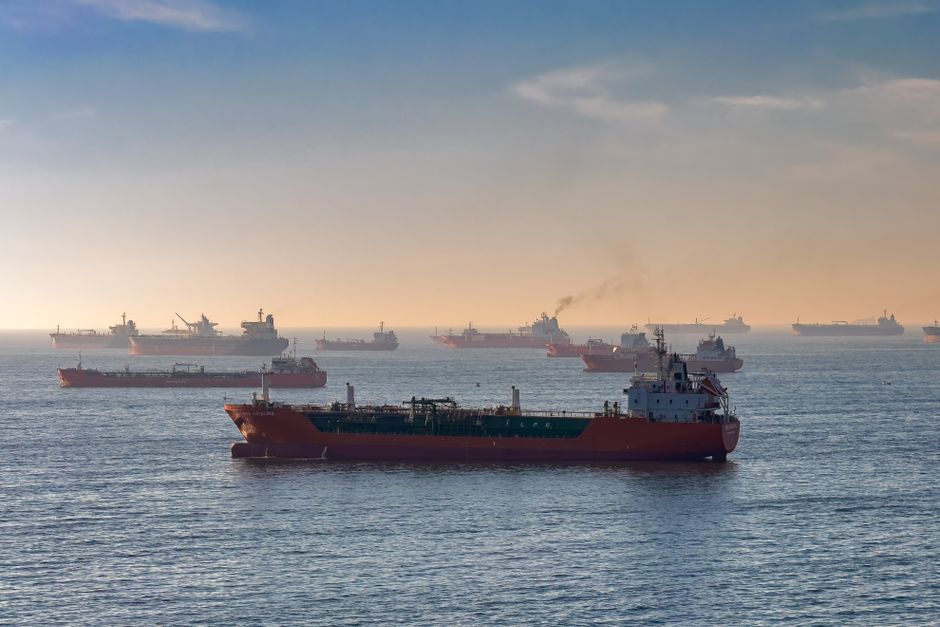
Deadly attacks on shipping in Middle Eastern waterways have intensified as Iran declared on Wednesday that efforts to revive a collapsed interim peace agreement with the United States have made no progress whatsoever, with a senior Iranian source warning the two countries remain fundamentally at odds over the terms of any ceasefire.
The developments mark a sharp deterioration in diplomatic efforts to end the 2026 Iran war, with both Washington and Tehran publicly accusing each other of breaking commitments made under a June ceasefire agreement that unravelled within weeks of being signed.
Iran Says There Is 'Nothing to Extend'
A senior Iranian source confirmed that indirect negotiations — conducted through mediators — have failed to produce any agreement on the United States returning to the June interim deal or establishing a timeframe for implementing its terms.
"One of the issues that is being discussed via mediators is the US returning to the interim agreement and defining a timeframe for implementing the commitments. There has been absolutely no progress on this issue," the source said.
The source also dismissed reports, attributed to Pakistani government officials, that the parties had agreed to extend the 60-day period set out under the June agreement. That agreement had been designed as a window in which Iran and the US would negotiate a final deal covering Iran's nuclear program and the lifting of American sanctions, extendable by mutual consent.
"There is no talk of an extension because, from Iran's perspective, there is no period that began and therefore nothing to extend. The United States violated the interim agreement 48 hours after it was reached and withdrew from it a few days later," the source said.
The June deal had declared an "immediate and permanent termination of military operations on all fronts," but US President Donald Trump announced it was "over" on 7 July. Iran's foreign ministry formally declared it "suspended" a week after that.
The two sides now offer starkly different accounts of who is to blame. Washington accuses Tehran of failing to reopen the critical Strait of Hormuz shipping route as agreed. Iran counters that the US has not lifted its blockade of Iranian ports or released frozen Iranian assets — commitments it says were central to the deal.
Houthi Strike Kills Four on Cargo Ship in Red Sea
Against this diplomatic backdrop, fighting in the region's waterways continues to claim lives. On Tuesday, four crew members were killed when Iran-aligned Houthi forces attacked the Tihamah, an Egyptian-owned cargo vessel, in the Bab el-Mandeb Strait at the southern end of the Red Sea.
Yemen's transport ministry said the ship was at anchor near the southwestern tip of Yemen when it was struck. Among the dead were three Pakistani nationals, confirmed by Pakistan's foreign minister, and one Indonesian crew member. The ministry said the crew lost control of the vessel following the attack.
The Houthis confirmed they had struck a ship, claiming it was transporting Saudi military equipment, though they did not identify the vessel by name. It is understood to be the first deadly attack on shipping by the group since the start of the war.
Separate incidents were also reported in the Gulf of Oman, which narrows into the Strait of Hormuz. The attacks pushed oil prices higher on Tuesday.
Demands Escalate on Both Sides
Tensions have also been inflamed by a fresh set of competing compensation demands. Iran's top security official, Mohsen Rezaei, said on Tuesday that the Strait of Hormuz would remain closed unless the US met Iran's conditions for ending the war. That came in response to a new demand from President Trump, made on Monday, that Iran pay compensation for lives lost across 50 years of wars, attacks and protests — a counter to Iranian claims that it was owed reparations for US and Israeli strikes on Iranian territory.
Speaking after a visit to Ohio on Tuesday, Trump offered a bullish assessment of the situation. "Iran is going fine, going just absolutely fine," he said. "We have a country that has been the bully of the Middle East for 50 years … and they're no longer the bully of the Middle East."
With the prospect of a renewed peace plan appearing increasingly remote and maritime attacks mounting, there was no immediate comment from Washington on Iran's assessment of the stalled negotiations.