Owner-occupiers are accounting for a growing share of Australia's mortgage market after investor home lending collapsed by a record margin in the September quarter, new data from the Australian Bureau of Statistics has revealed. Rising interest rates and the federal government's tax changes have combined to drive a 30.6 per cent fall in new investor loans, to 35,301 in the quarter, pushing the total number of home loans down 15 per cent.
While lending to owner-occupiers also declined, the drop was far shallower at 5.3 per cent, lifting their share of all new home loans to 68 per cent, up from 59 per cent before the May budget.
Why investor lending is falling so sharply
The ABS head of finance statistics noted that the data points to forces beyond interest rates alone. "Our data suggests that investor activity is being influenced by factors beyond increasing borrowing costs, including the potential impacts of tax changes and expectations of lower house prices," he said.
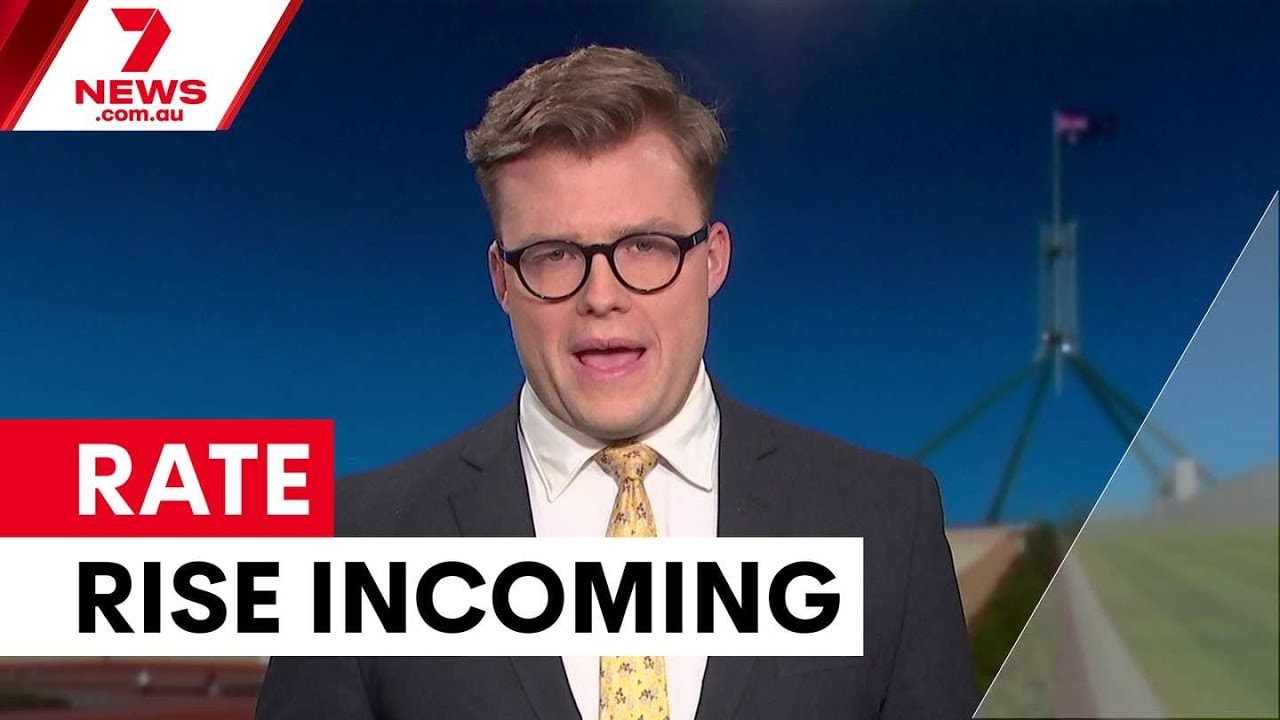
The Reserve Bank's most recent rate rise has taken official interest rates to an 18-year high, further squeezing buyers' purchasing power. What that rate decision means for Australian mortgage holders has become an increasingly pressing question as borrowing costs climb. The Labor government's tax changes have added to the pressure on investors, dampening sentiment across the board.
Housing Minister Clare O'Neil welcomed the shift in the ownership mix, arguing it reflected the policy's intended outcome. "What we're seeing is that more first home buyers are winning auctions that they're competing in," she said. "We've got a long way to go here, but we've got some important pieces of progress being made." The government has nonetheless been cautious about claiming full responsibility for the broader housing downturn, given falling consumer and business confidence.
First home buyers still a significant force
First home buyers were not immune to the broader pullback. Loans taken out by this group fell 8.6 per cent during the quarter and were 12.3 per cent lower than the same period a year earlier. Even so, the ABS noted that first home buyers continued to represent more than one-third of all owner-occupier lending, describing that as a "significant share."
Stock piling up, prices falling in most capitals
As buyers have retreated from the market, the number of homes available for sale has surged across nearly every capital city, creating an oversupply that is weighing on prices. In Brisbane, total available stock was 24.4 per cent above the five-year average in the four weeks to November 8, according to property data firm Cotality. The city recorded the steepest monthly price fall in the country, with its median dwelling value dropping 2 per cent in October alone.
Brisbane's listing figures also highlight an unusual dynamic: new listings actually declined 12.4 per cent over the year, yet total properties for sale surged 59.5 per cent. The gap is explained by homes sitting on the market for longer. Nationally, the median property was on the market for 41 days in October, compared with just 24 days a year earlier.
Melbourne presented a different picture. The rate of price decline there slowed to just 0.8 per cent in October, the most modest fall among the five major markets. Available stock in Melbourne was actually 5.3 per cent below its long-run average, which Cotality's head of research attributed to a better balance between supply and demand keeping downward price pressure more contained.
Recovery still a long way off
Analysts are not optimistic about a near-term turnaround. "A recovery in housing market conditions is unlikely until buyers have the confidence and financial capacity to return to the market," Cotality's head of research said. With the Reserve Bank's latest rate rise still filtering through household budgets and investor sentiment remaining subdued by ongoing tax changes, conditions are expected to remain challenging well into the period ahead.
For those exploring less conventional forms of property finance, options such as a Reverse mortgage remain a point of reference for older Australians navigating the shifting market. Meanwhile, broader affordability pressures continue to reshape who is, and who is not, able to participate in the housing market.