NSW firefighter dies in Buladelah fire
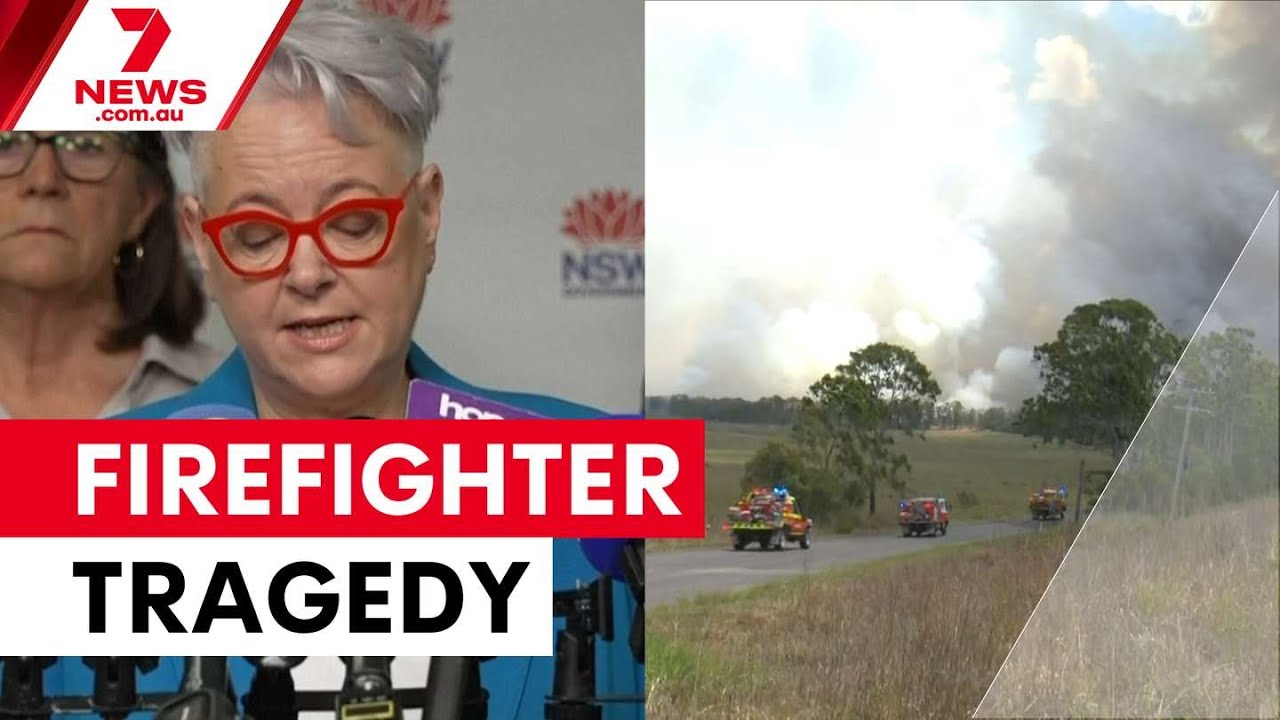
Table of Contents
- Experienced National Parks field officer killed during mid‑north coast backburning operation
- Incident details
- Who he was and the response from colleagues
- What happens next
- Why this matters
- Key takeaways
- FAQs
Experienced National Parks field officer killed during mid‑north coast backburning operation
NSW firefighter dies in Buladelah fire after being struck by a falling tree and suffering a cardiac arrest during overnight backburning on the mid‑north coast. The 59‑year‑old divisional commander had served with the NSW National Parks and Wildlife Service since 1996 and was based at Lake Munmorah for 25 years.
Incident details
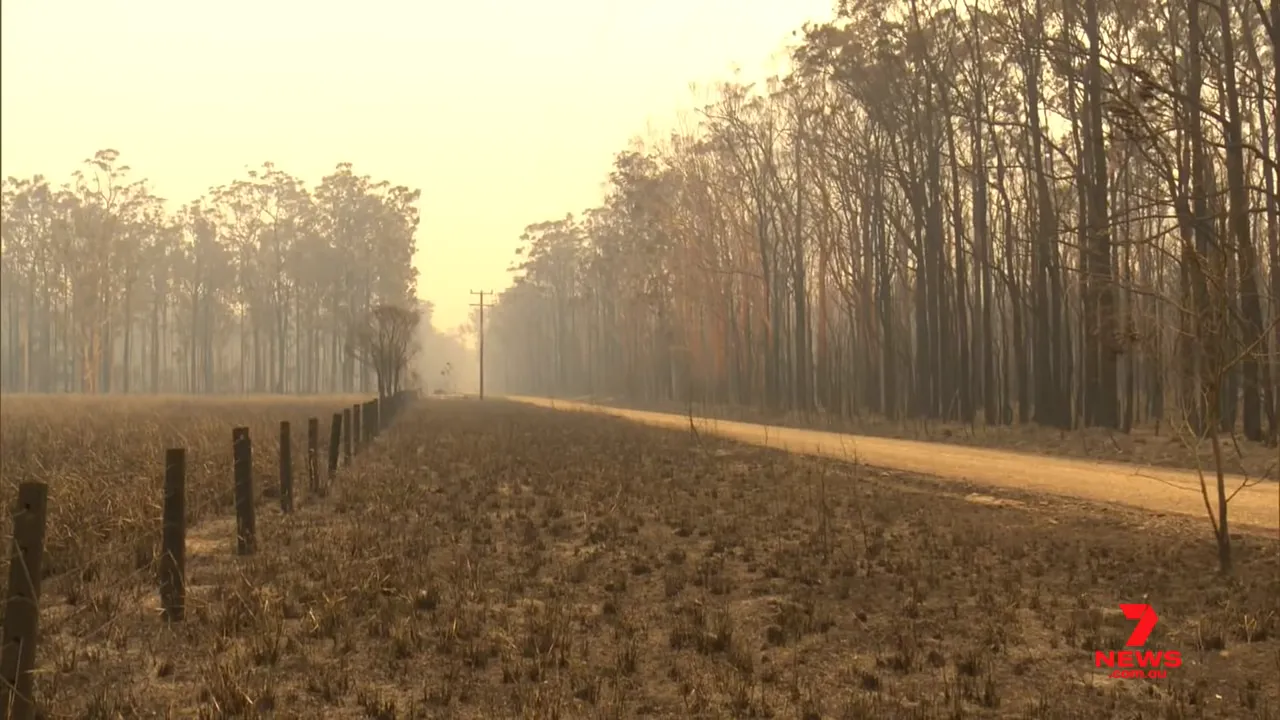
The fatality occurred overnight near Naurang, at the Buladelah (Bullardilla) fire, during planned backburning operations. Colleagues on scene performed CPR immediately and New South Wales ambulance crews arrived, but the firefighter could not be revived and was pronounced dead at the scene.
Authorities believe the firefighter suffered a cardiac arrest after being struck by a falling tree. WorkSafe has been notified and an investigation is expected to follow to establish the precise circumstances of the incident.
Who he was and the response from colleagues
The firefighter was a field officer and divisional commander with decades of service. He began with National Parks in 1996 and had worked from the Lake Munmorah depot for roughly 25 years, earning respect across the firefighting community.
Colleagues and partner agencies have expressed deep sorrow. National Parks operates more than 1,000 firefighters across the state and works closely with the NSW Rural Fire Service, meaning the loss is felt widely across crews and local communities.
What happens next
WorkSafe’s involvement signals a formal workplace safety review. Investigators will examine operational procedures, equipment, communications and the environment where the tree strike occurred to recommend any changes needed to prevent future tragedies.
Support services for staff and the firefighter’s family are expected to be mobilised. These typically include counselling and peer support from both National Parks and partner agencies, alongside practical assistance where required.
Why this matters
The incident is a stark reminder of the everyday risks faced by firefighters, including during controlled operations such as backburning. Falling trees, heat, smoke and remote terrain combine to create hazardous conditions, even for experienced crews.
As the region approaches another fire season, the event highlights the ongoing need for rigorous safety planning, crew rest cycles, situational awareness and rapid medical response capabilities when teams are operating on the front line.
Key takeaways
- Experienced crew members face real danger — long service does not eliminate risk during fire operations.
- Backburning carries hazards such as falling trees and unpredictable fuel behaviour that require careful mitigation.
- Immediate medical response matters — colleagues performed CPR and ambulances attended, but some injuries or medical events remain unsurvivable on scene.
- Formal investigations are standard — WorkSafe reviews help identify lessons and improve safety protocols.
- Support networks are essential for families and fellow firefighters following a line‑of‑duty death.
FAQs
Who was the firefighter who died?
A 59‑year‑old field officer and divisional commander with the NSW National Parks and Wildlife Service who began working for National Parks in 1996 and was based at Lake Munmorah for about 25 years.
Where and when did the incident occur?
The incident happened overnight near Naurang during operations at the Buladelah (Bullardilla) fire on the mid‑north coast.
How did the firefighter die?
It is believed he suffered a cardiac arrest after being struck by a falling tree. Colleagues performed CPR and ambulances attended, but he could not be saved at the scene.
Which agencies are involved in response and investigation?
NSW National Parks and Wildlife Service crews and NSW Ambulance responded initially. WorkSafe has been notified and will undertake a workplace safety investigation.
What support is available to colleagues and family?
National Parks and partner agencies typically provide counselling, peer support and practical assistance to staff and the family following a line‑of‑duty death; further community and agency-led tributes may follow.
The information in this article has been adapted from mainstream news sources and video reports published on official channels. Watch the full video here NSW firefighter dies in Buladelah fire tragedy | 7NEWS


