Diddy Netflix Doc: 50 Cent on Secret Videos and Sources
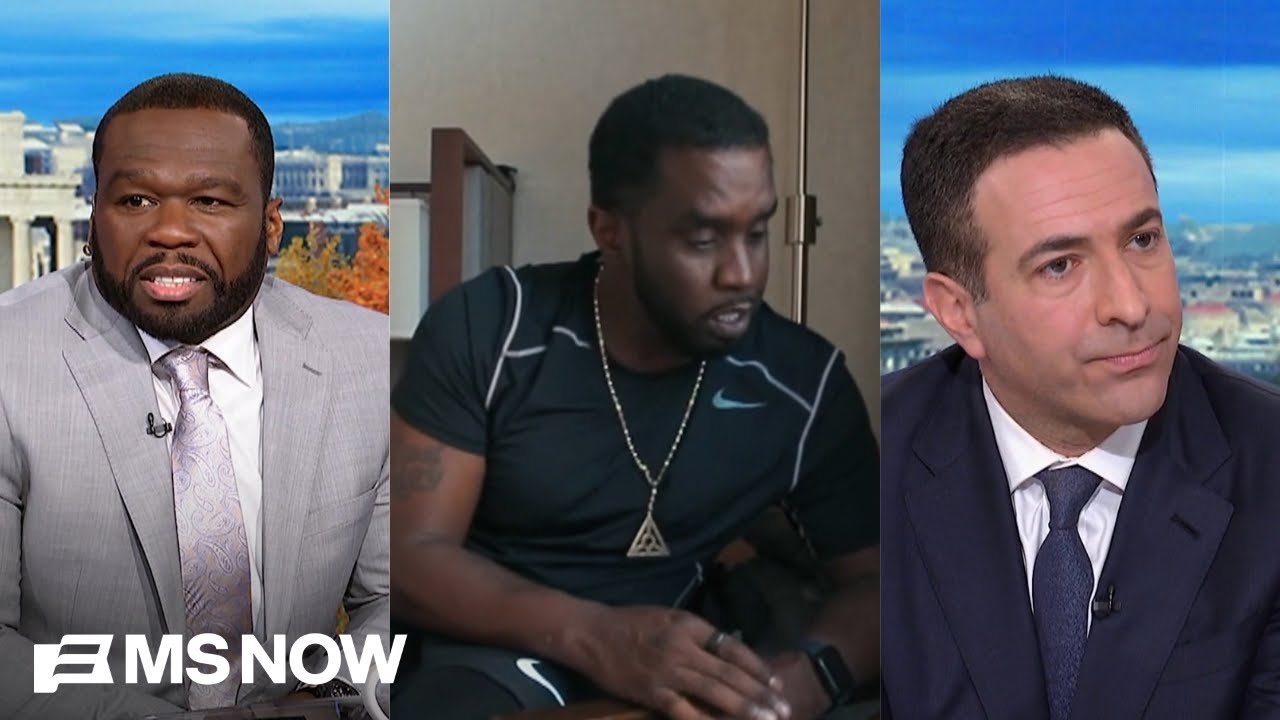
Table of Contents
- New documentary revisits decades of influence, allegations and legal fallout
- What the series shows and who is behind it
- Private moments and the question of control
- Voices of alleged victims
- Patterns, prior incidents and industry testimony
- Unresolved questions and high‑profile cases
- What the jurors and legal participants said
- Consequences beyond criminal courts
- Why this matters
- Key takeaways
- Frequently asked questions
New documentary revisits decades of influence, allegations and legal fallout
Diddy Netflix Doc Sean Combs: The Reckoning arrives amid fresh legal and cultural scrutiny, presenting never-before-seen footage and first‑hand accounts that map a 30‑year arc of fame, controversy and alleged misconduct. The series blends archival material, newly obtained clips and interviews with producers and witnesses to examine how image, power and accountability intersect in modern celebrity.
The four‑part series chronicles Combs’ rise as a cultural force and the legal storms that followed, including a recent federal trial that ended with acquittals on the most serious charges but convictions on prostitution‑related offences. Producers say the project waited until court proceedings concluded so it could frame events without prejudicing outcomes.
What the series shows and who is behind it
Produced with input from rapper‑producer 50 Cent and directed by Emmy‑winner Alexandria Stapleton, the documentary aims to trace patterns across decades rather than mount a personality assault. It assembles interviews with former associates, accusers and legal participants to let viewers weigh competing accounts.
Producers emphasise they used public material augmented by newly obtained clips that offer a rare view of private crisis moments. Combs’ team disputes the release of some footage, saying it was unauthorised; the filmmakers say the material was lawfully acquired.
Private moments and the question of control
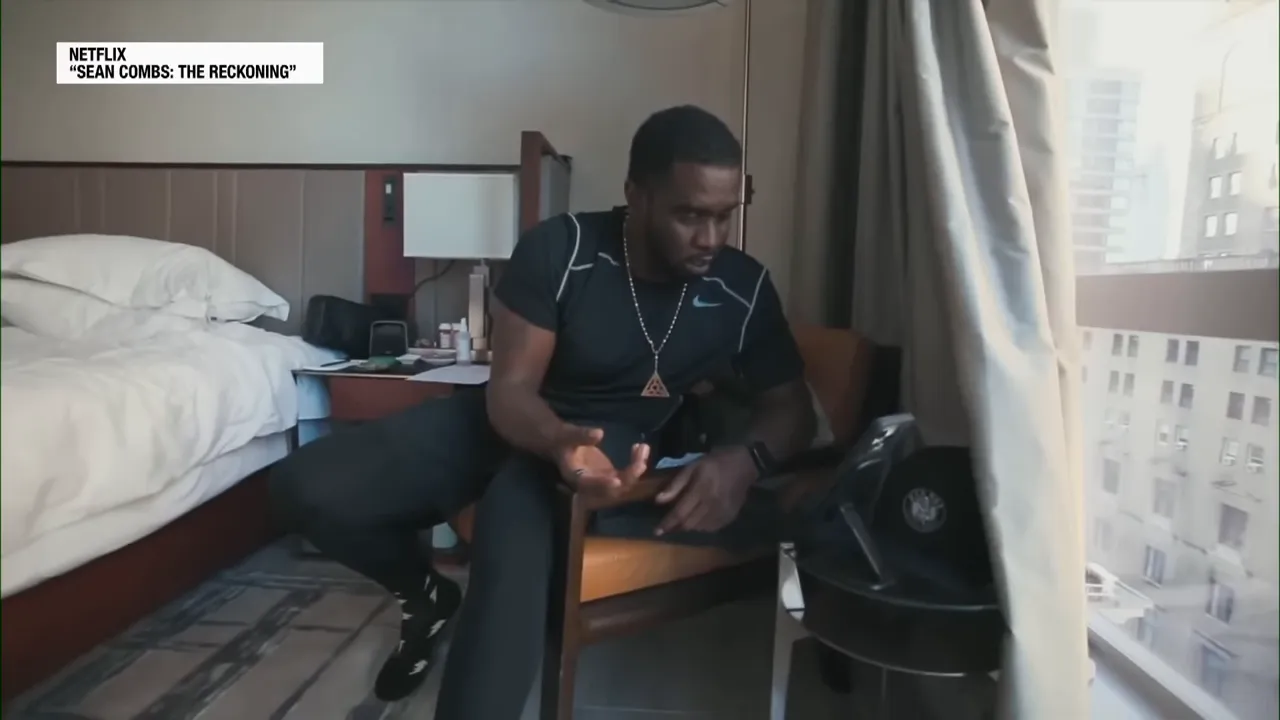
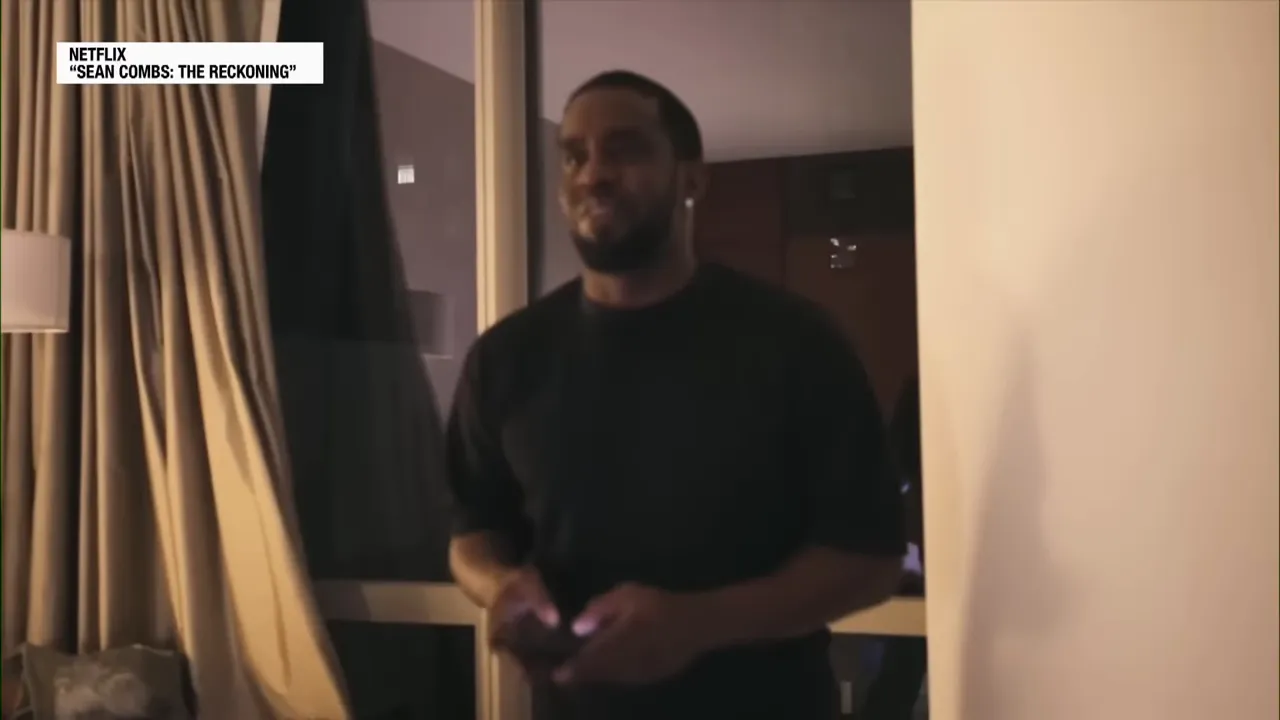
Key scenes show Combs in high‑pressure conversations — including a tense call with legal counsel days before his arrest — and reacting in real time as fresh civil claims surface. The footage paints a portrait of someone acutely aware of narrative management, and raises questions about how media, lawyers and celebrity PR shape public perception.
I've been a superb client, as you said. I jumped on the plane. I'm coming to New York. But I'm just like, I'm just running around waiting for a shooter drop.
Those exchanges underline a recurring theme: the effort to control messaging when reputational and legal stakes are high.
Voices of alleged victims
The series gives time to people who say they were harmed, including men and women with differing legal timelines. Directors say gender should not determine who gets listened to; when someone describes sexual violence, that testimony deserves context and consideration.
Presenting multiple accounts allows viewers to see how cases unfolded in public and private, and how media attention sometimes simplified or sensationalised complex stories.
Patterns, prior incidents and industry testimony
Beyond the recent prosecutions, the documentary revisits earlier controversies — from nightclub melees that left people hurt to longstanding industry disputes. Former colleagues and associates, including co‑founders and insiders, describe behaviours they say reveal a pattern of intimidation and hyper‑masculine posturing.
One interviewee characterises an effort to appear street‑wise despite operating chiefly within corporate and entertainment realms, a dynamic the film explores to illuminate motive and reputation management.
Unresolved questions and high‑profile cases
The documentary touches on broader, unresolved episodes in hip‑hop history, including the violent deaths of Tupac and Biggie and the tangled loyalties and rumours that surrounded those eras. The filmmakers present reported claims and archival reporting without asserting definitive guilt, leaving final judgement to courts and viewers.
What the jurors and legal participants said
Interviews with jurors from the federal trial show why some charges did not convince a jury beyond reasonable doubt. Several jurors said prosecutors overcharged the case, making it difficult to connect individual conduct to the requirements of a RICO conviction.
Producers also probe whether investigative theatre — a heavy federal presence and dramatic tactics — sometimes inflates public perception of guilt even when proof falls short in court.
Consequences beyond criminal courts
Although Combs avoided the most serious federal convictions, he was found guilty on prostitution‑related offences and faces an array of civil actions. Filmmakers note the practical reality: dozens of lawsuits, recordings and footage can pile up into a civil exposure that outlasts criminal proceedings.
Producers and commentators alike point out that modern devices and recordings create enduring evidence trails that were unimaginable two decades ago, changing how disputes are proven and resolved.
Why this matters
The series interrogates power in entertainment: how fame shields, how media shapes narrative, and how accountability is pursued in an era of pervasive recording. It asks whether long patterns of behaviour should alter how the public and industry respond to success and scandal.
By foregrounding multiple perspectives — alleged victims, insiders, jurors and the creative team behind the documentary — the project seeks to let audiences draw their own conclusions while making a case for rigorous reporting and transparent sourcing.
Key takeaways
- The series spans 30 years of cultural impact and controversy, offering new footage and interviews to contextualise allegations.
- Producers waited until court outcomes allowed them to publish without prejudicing trials.
- Footage shows crisis communications and private reactions, raising questions about control and accountability.
- Victims of alleged abuse — both men and women — are central to the narrative, emphasising that gender does not define credibility.
- Legal complexity remains: acquittals on major counts don’t close civil exposure or cultural debate.
Frequently asked questions
Is Sean Combs featured in the documentary and did he participate?
Combs is the central subject of the series, which examines his life, career and legal controversies. Filmmakers reached out for participation but say he declined to take part; his team has issued denials and said some footage was released without authorisation.
How did the filmmakers obtain the previously unseen footage?
The producers say the material was legally obtained, though they decline to reveal specific sources. One of the executive producers has refused to disclose sources, citing journalistic protections.
Does the documentary decide guilt or innocence?
The series presents reported facts, archival evidence and first‑hand testimony but does not pronounce legal guilt beyond official court rulings. It examines patterns and allows viewers to assess the evidence and narratives presented.
What legal outcomes are covered in the series?
The documentary reviews a recent federal prosecution in which Combs was acquitted on major RICO charges but convicted on prostitution‑related counts. It also explores numerous civil actions that continue to pose financial and reputational risks.
Why is 50 Cent involved in the project and does that affect its credibility?
50 Cent is an executive producer who says he helped assemble the project after the legal process concluded. His involvement raises questions about bias for some viewers, while others note his role as a cultural commentator and producer in film and TV.
The information in this article has been adapted from mainstream news sources and video reports published on official channels. Watch the full video here 50 Cent speaks on incriminating videos & secret sources for Diddy Netflix doc in Melber intv


