SYDNEY, AUSTRALIA — ISIS brides return to Australia has become one of the day’s most closely watched national security developments, as 13 Australian citizens linked to Islamic State travel back from Syria with several women expected to be arrested on arrival. The returns come amid renewed debate about terrorism laws, child welfare, and the government’s obligations to citizens held overseas.
The unfolding story sits alongside other major developments across Australia and abroad: a violent kidnapping in Sydney’s south-west, fresh road policing cases in western Sydney and the inner west, a possible shift in US-Iran diplomacy, and a new federal gas reservation policy aimed at strengthening Australia’s long-term energy security.
Australian women and children linked to Islamic State arrive home
Authorities in Sydney and Melbourne were preparing for the arrival of a group of 13 Australians from Syria: four women and nine children. One woman and one child were due to land in Sydney, while the remaining members of the group were headed to Melbourne after flying via Doha.
Federal and state police were standing by, including counter-terrorism officers. The Australian Federal Police Commissioner confirmed that several of the women would be arrested upon arrival and are expected to face terrorism-related charges.
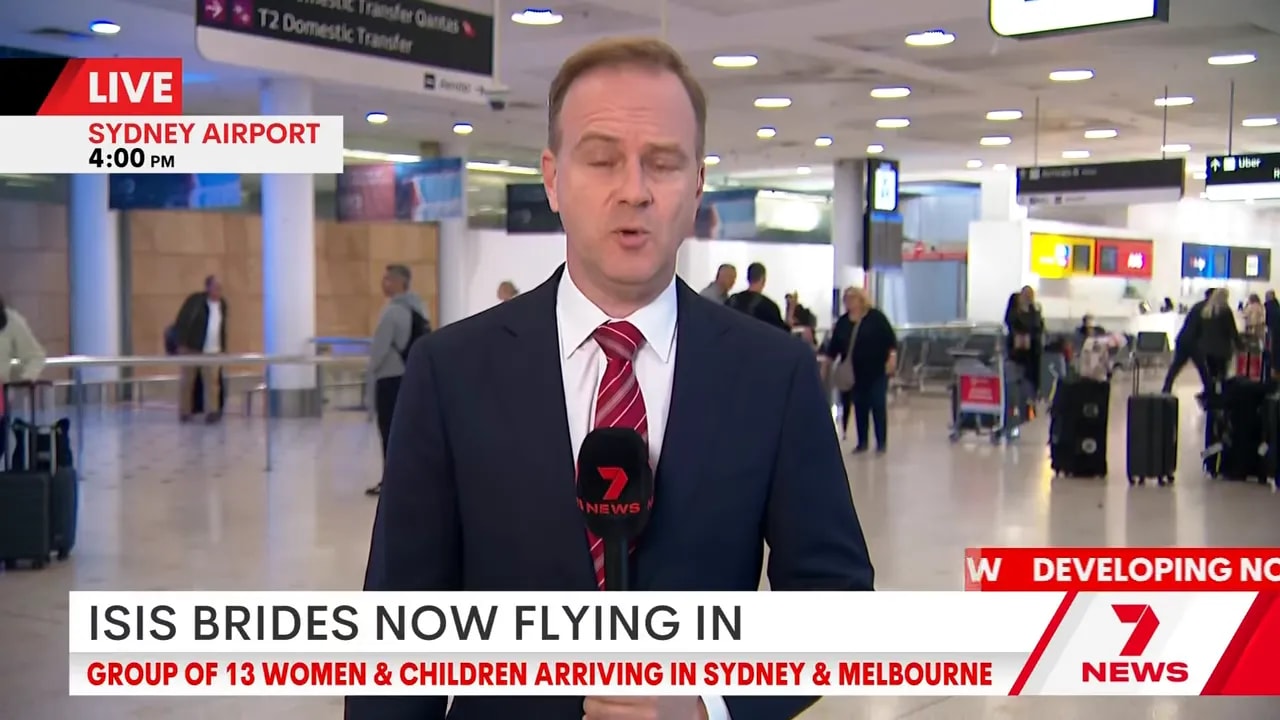
The offences under consideration include entering or remaining in a declared area, a serious charge under Australian counter-terrorism law. Authorities also indicated that some women could face allegations linked to crimes against humanity, including possible involvement in slave trading.
Officials made clear that these investigations are not new. Law enforcement agencies have been examining the activities of some of the women for close to a decade, with planning for their possible return dating back to 2015.
One case expected in Sydney
Among those expected to arrive in Sydney was Jonee Safar, who left Australia for Syria in 2015. She reportedly married an Islamic State fighter who later died in 2017.
She was travelling with her nine-year-old son, a child born in Syria who has lived either under Islamic State control or in detention camps. That detail has sharpened the distinction officials are drawing between the adults, who may face criminal accountability, and the children, who are being treated as vulnerable minors in need of support.
What happens to the children now?
The federal government says all of the children returning from Syria will be required to take part in programs focused on community integration and countering violent extremism. The aim is twofold: to support their welfare and to reduce any risk of future radicalisation.
This is likely to be one of the most sensitive parts of the repatriation process. These children did not choose to travel to Syria, yet many have spent their entire lives in conflict zones or detention environments shaped by extremist control.
“The kids have got nothing to do with this. They didn’t make the decision to travel to Syria and the Middle East and we’ve got an obligation to ensure that they’re safe, in my view. We’ve got an obligation to make sure that there’s no radicalisation there and that’s going to be a tricky operation.”
That challenge goes beyond policing. It involves health services, education systems, family support, social services, and long-term monitoring to help children transition safely into Australian life.
Political debate over repatriation and national security
The federal government says it did not provide repatriation assistance to the group. Its position is that, as Australian citizens carrying Australian passports, the individuals could not simply be prevented from returning.
The opposition has disputed that framing, arguing current laws provide national security grounds that could have been used more forcefully. That disagreement has opened a broader political argument about the cost and wisdom of allowing these returns to proceed.
Critics have questioned why taxpayers may now face ongoing monitoring and management costs if the government had any discretion to limit the return. Supporters of repatriation, by contrast, tend to argue that controlled returns with arrests, supervision, and rehabilitation are safer than leaving Australian citizens in unstable overseas camps.
For authorities, the key issue is no longer theoretical. After years of planning, the operational response is now being tested in real time.
For further background on Australia’s legal framework around declared areas and terrorism offences, readers can refer to the Australian Government’s national security resources and the Australian Federal Police.
Kidnapped at gunpoint in Bass Hill
In a separate major development, police in Sydney’s south-west are investigating a brazen abduction after obtaining CCTV footage of a man being dragged from his vehicle and kidnapped in Bass Hill. The man was released roughly 30 hours later after ransom demands were made.
Residents first called Triple Zero on Tuesday night believing they had heard a shooting. What police uncovered was a far more disturbing scene: an armed and organised kidnapping carried out in a suburban cul-de-sac.
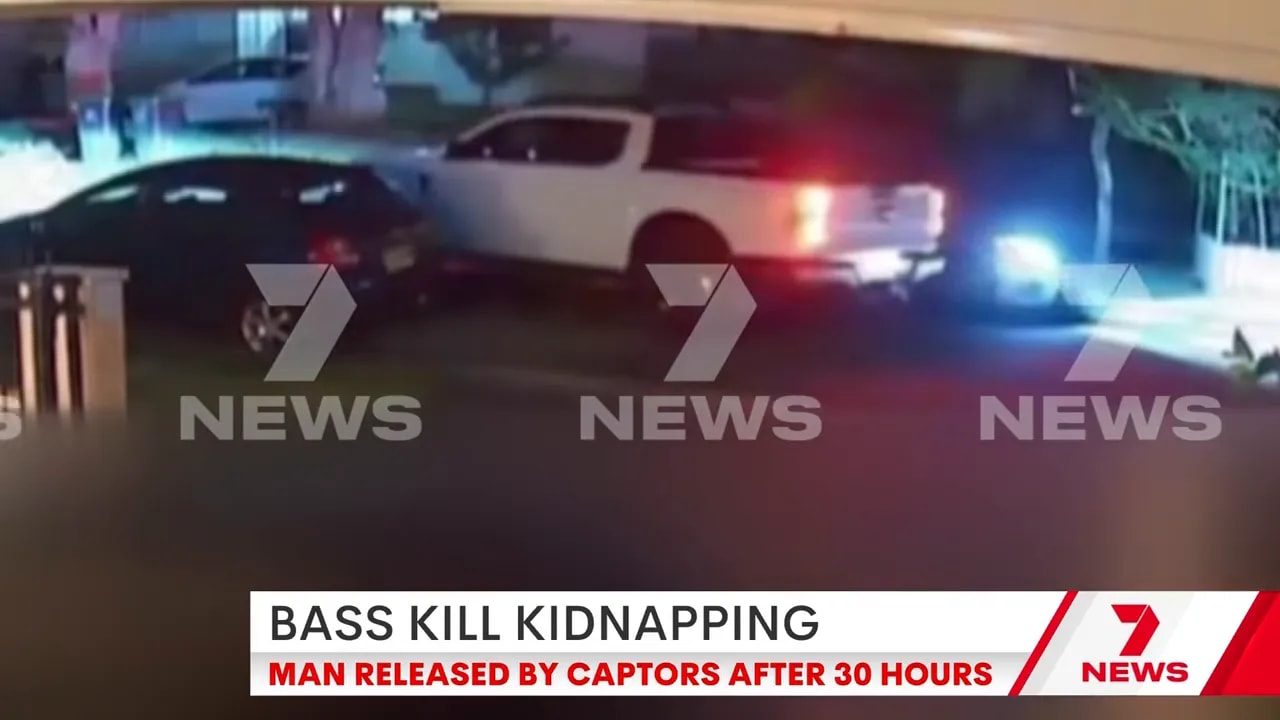
The footage showed a silver Mercedes sedan pulling into Korokai Road at about 10.30pm. The driver left the engine running while two men dressed in black waited on the footpath.
About a minute later, a white Ford ute entered the street and came to a stop. The two men then rushed at the vehicle, one allegedly armed with a gun.
A shot was fired. Moments later, three men were seen forcibly pulling the victim from the ute and bundling him into the waiting sedan before speeding away.
Victim released after ransom demands
Police reviewed CCTV from the street later that night and launched an urgent search for the abducted man. He remained missing for about 30 hours before being released by his captors at around 6am.
Authorities understand that multiple ransom demands were made in relation to the 43-year-old man’s release. He was taken to hospital for treatment, and police said they would seek to interview him when his condition allowed.
The case is particularly alarming because it is at least the fourth kidnapping reported in Sydney in recent months. That pattern is likely to intensify pressure on police to examine whether these incidents are connected through organised criminal networks, copycat behaviour, or targeted extortion activity.
Anyone seeking crime prevention or reporting information can also consult NSW Police and Crime Stoppers NSW.
Two separate crashes trigger investigations and charges
Western Sydney also saw two significant road incidents, one involving a dramatic rollover and another ending in an arrest.
At St Marys, emergency services were called to Glossop Street shortly after 5am, where they found a concrete pump truck overturned on its roof. Despite the severity of the crash, the driver managed to climb out before paramedics arrived and was not seriously injured.

An investigation is now under way to determine what caused the truck to roll. Crashes involving heavy vehicles can trigger broader questions about fatigue, road conditions, vehicle stability, and mechanical issues, though no cause had been confirmed.
In a separate incident in Strathfield, a 28-year-old learner driver was arrested after allegedly crashing a vehicle off the road and through a fence. Police say the man held a suspended licence, was not accompanied by a licensed driver, and repeatedly refused a breath test.
According to police, he declined a breath analysis both at the scene and again later at the station. He is now due to face court.
For drivers, the incident is a reminder that learner licence conditions and roadside testing obligations are strict in New South Wales. Details on those rules are available through NSW driver licensing information.
Trump signals possible US-Iran peace deal
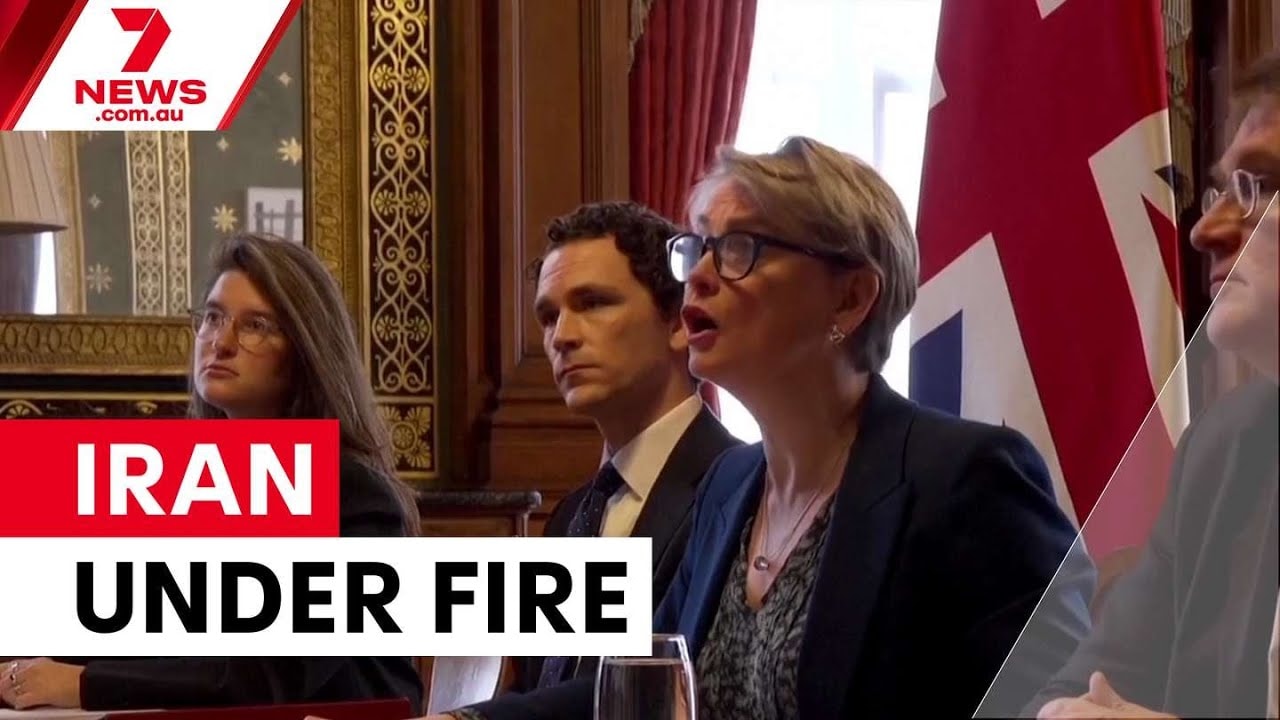
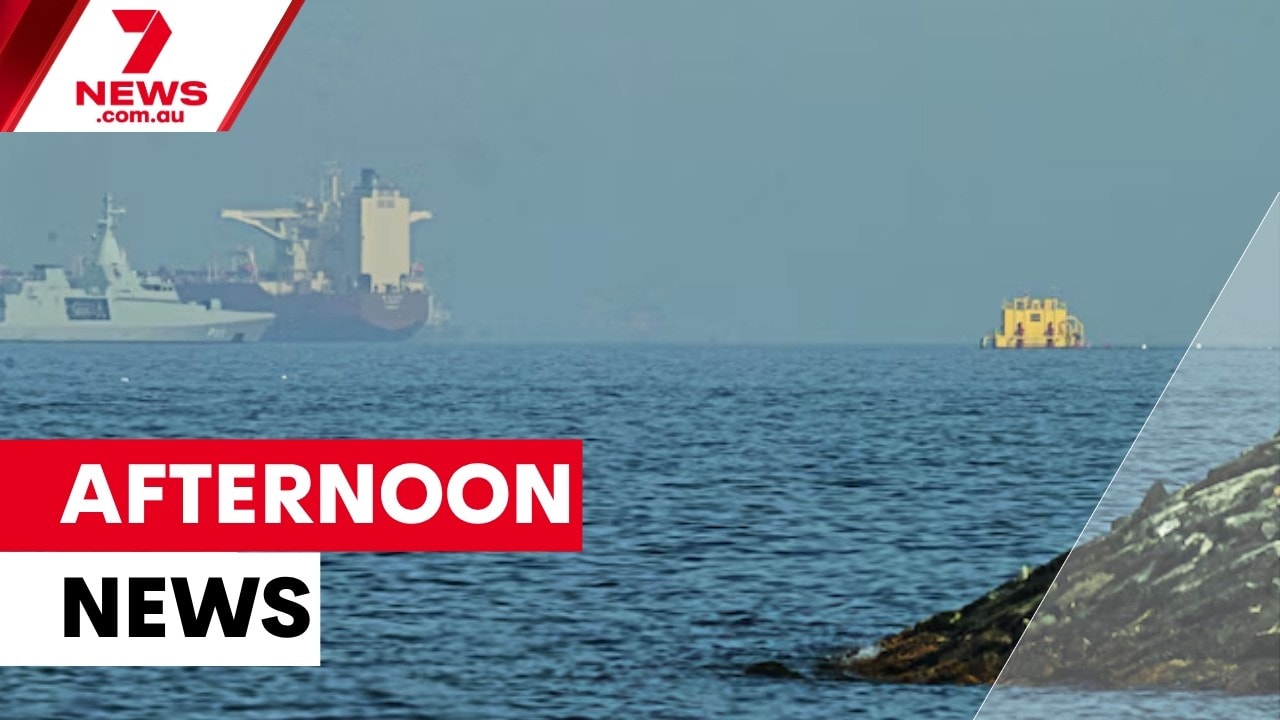
Internationally, attention has turned to Washington after US President Donald Trump renewed hopes of a possible peace deal involving Iran. Reports suggested a diplomatic proposal was under review and could potentially lead to the lifting of blockades affecting the Strait of Hormuz within 48 hours if agreement is reached.
Iran said it was reviewing a US proposal and would deliver its response to Pakistani mediators. While the exact terms were not publicly detailed, Trump claimed online that the war would end and the Strait of Hormuz would be open to all if Iran accepted what had been agreed.
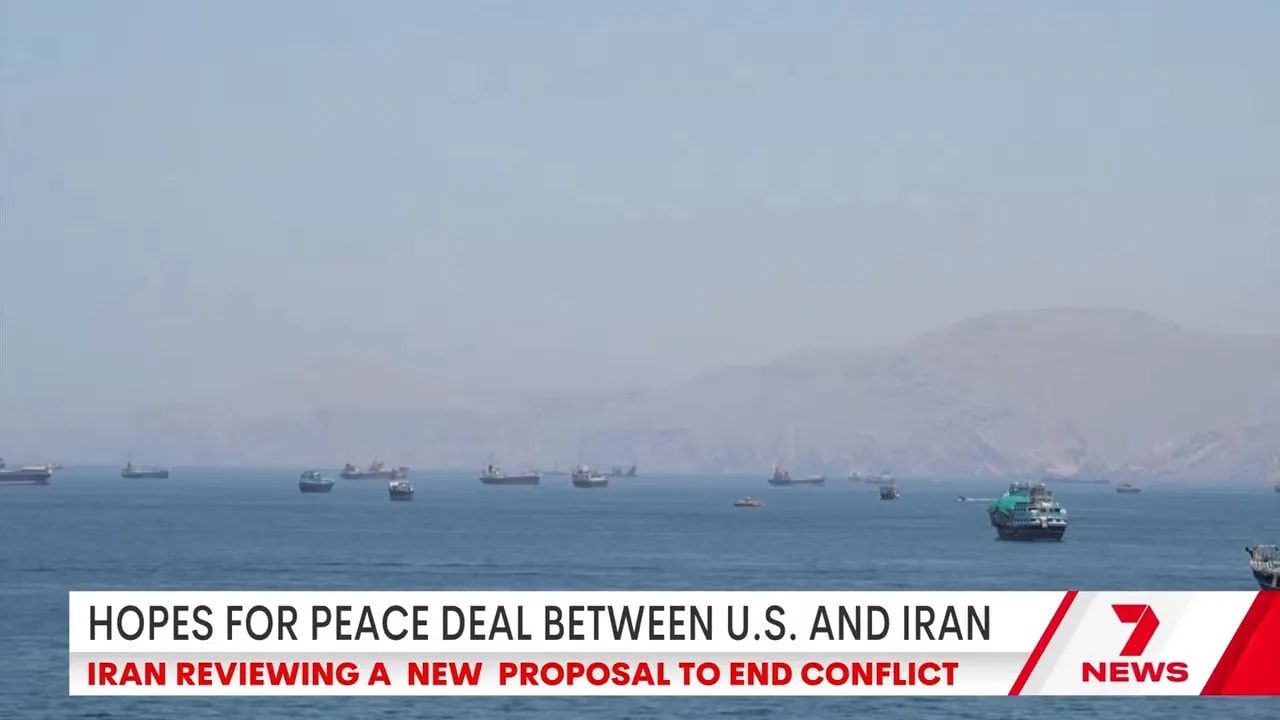
At the same time, the US president again warned of a sharp escalation if talks failed, saying bombing would resume at a higher level and intensity. Even so, he continued to project optimism, stating that a deal was “very possible” and insisting Iran could not have nuclear weapons.
The strategic significance of the Strait of Hormuz is enormous. It is one of the world’s most important maritime chokepoints for oil and gas shipments, which means any disruption can have immediate consequences for global energy prices and shipping markets. Background on the waterway’s role in global trade can be found via the US Energy Information Administration.
However, the diplomatic picture remains highly unstable. Israel launched a strike on Beirut, its first attack on the Lebanese capital since agreeing to a ceasefire the previous month. Israel said the target was a Hezbollah commander accused of attacks on Israeli communities.
Whether that strike complicates US-Iran negotiations remains unclear. For now, the situation is best described as a wait-and-watch moment: there is visible movement, but no certainty that progress will produce lasting peace.
Australia moves to reserve more gas for local use
Back in Canberra, the Albanese government has announced a major policy shift designed to strengthen Australia’s long-term energy security. Under a new domestic gas reservation scheme, major east coast gas exporters will be required to direct part of their supply to Australian users first.
The policy is scheduled to begin on 1 July next year. It will apply to east coast exporters including Shell, Origin and Santos, and will require them to supply the equivalent of 20 per cent of their exports to Australian households and manufacturers.
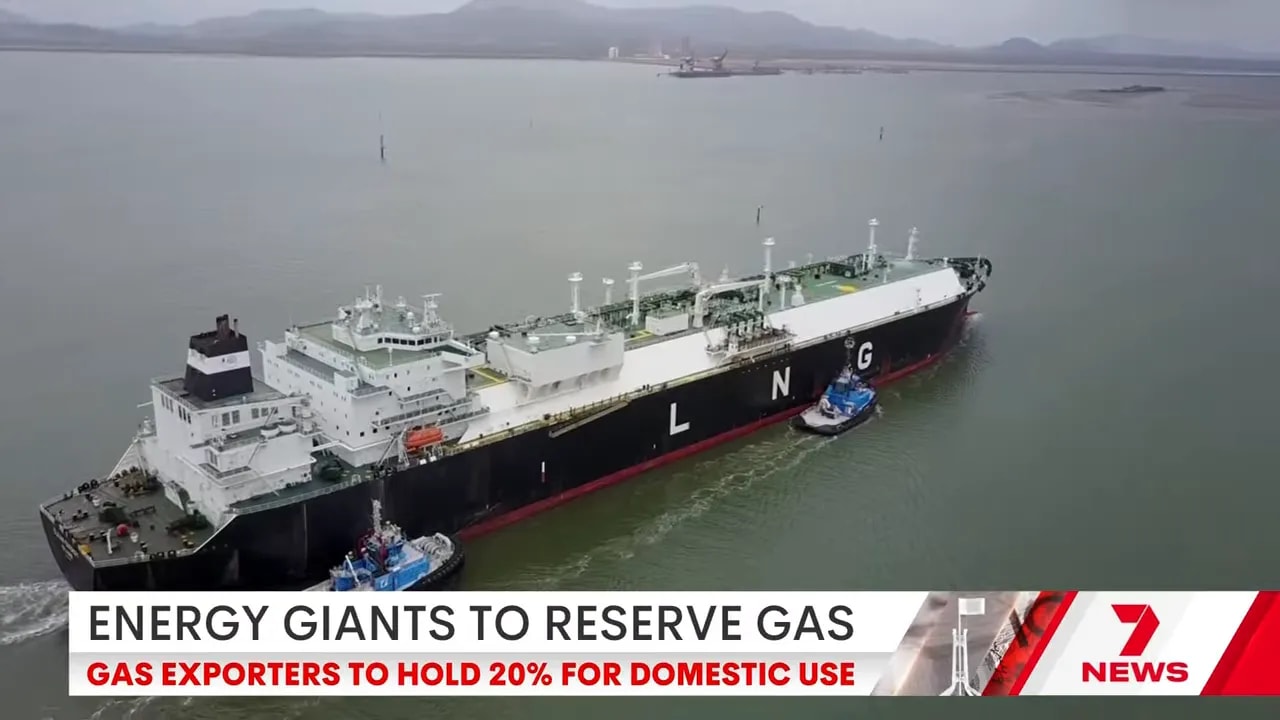
The requirement will only apply to contracts signed from 22 December last year. Energy Minister Chris Bowen said the policy should place downward pressure on domestic gas prices and help shield Australians from global energy shocks like those seen after the outbreak of the war in Ukraine.
While the minister stopped short of promising a specific dollar saving, the government’s argument is straightforward: Australian gas should help meet Australian needs before being fully exposed to overseas markets.
“This is Australian gas, so Australians should have first go at it.”
The government also says the policy will help prevent domestic shortfalls, a growing concern as energy demand, export commitments and price volatility continue to reshape the market.
Why the gas reservation debate matters
Australia has long been a major gas exporter, yet critics of the existing system have argued that local consumers have not always benefited from that status. The government says Australia has been unusual among exporting nations in lacking a formal reservation framework of this kind.
Supporters of the new policy believe reserving part of export volumes for domestic use will improve supply reliability and reduce the risk that international price spikes are simply passed on to Australian households and industry.
Industry, however, has pushed back. Gas producers say they support the principle of domestic reservation but argue the specific model announced by the government could undermine investment, weaken trading relationships and reduce competition.
That response reflects a familiar tension in energy policy:
- Consumers and manufacturers want affordable, reliable supply.
- Government wants energy security and political protection from future shortages.
- Producers want policy settings that preserve investment incentives and export market confidence.
Readers wanting broader context can explore updates from the Department of Climate Change, Energy, the Environment and Water and market data from the Australian Energy Market Operator.
Key takeaways
- Thirteen Australian citizens linked to Islamic State, including four women and nine children, were due to return from Syria to Sydney and Melbourne.
- Several women are expected to face arrest on terrorism-related charges, with some allegations potentially extending to crimes against humanity.
- The children will enter integration and countering violent extremism programs as authorities balance welfare concerns with national security.
- A 43-year-old man was kidnapped at gunpoint in Bass Hill and released about 30 hours later after ransom demands were made.
- A concrete pump truck rolled at St Marys, while a learner driver in Strathfield was arrested after a crash and alleged refusal of breath testing.
- Donald Trump said a US-Iran deal may be close, though regional military tensions remain high following an Israeli strike on Beirut.
- The Albanese government has announced a domestic gas reservation policy requiring east coast exporters to reserve 20 per cent of relevant exports for Australian users.
FAQs
Why are the returning women being arrested?
Authorities say several women are expected to face terrorism offences, including entering or remaining in a declared area. Some may also face more serious allegations connected to crimes against humanity, including possible involvement in slave trading.How many people are returning to Australia from Syria?
The group consists of 13 Australian citizens: four women and nine children. One woman and one child were due to arrive in Sydney, with the others heading to Melbourne.What support will the children receive?
The federal government says all children in the returning group will take part in community integration and countering violent extremism programs. The focus is on welfare, safe resettlement and reducing the risk of radicalisation.What happened in the Bass Hill kidnapping?
Police say a 43-year-old man was abducted at gunpoint after being dragged from his ute in Korokai Road, Bass Hill. He was held for about 30 hours and later released after multiple ransom demands were reportedly made.What is Australia’s new gas reservation policy?
The new policy will require east coast gas exporters to supply the equivalent of 20 per cent of certain exports to Australian households and manufacturers first. It is due to start on 1 July next year and applies to contracts signed from 22 December last year.Will the gas policy lower household bills immediately?
The Energy Minister said the scheme should put downward pressure on prices, but did not promise a specific saving figure. The government says the policy is intended to improve supply security and reduce exposure to global price spikes.What is the significance of the Strait of Hormuz in the US-Iran talks?
The Strait of Hormuz is a critical route for global oil and gas shipments. If tensions ease and the waterway remains open, it can help stabilise energy markets; if conflict escalates, the global economic impact can be immediate.The information in this article has been adapted from mainstream news sources and video reports published on official channels. Watch the full video here ISIS brides return; learner driver crash; hopes for US and Iran peace deal | 7NEWS