The International Olympic Committee has provisionally lifted its suspension of the Russian Olympic Committee (ROC), marking the most significant step toward Russia's full reintegration into global sport ahead of the 2028 Los Angeles Olympic Games. The decision, announced by the IOC's executive board, stops short of resolving key questions around Russian national symbols — including whether athletes will be permitted to compete under their flag, in national colours, or accompanied by their anthem.
Why Russia Was Banned in the First Place
Russia's path to suspension began with its full-scale invasion of Ukraine in February 2022. The ROC was formally suspended in October 2023 after it recognised regional Olympic councils in Russian-occupied Ukrainian territories — specifically in Luhansk, Donetsk, Kherson and Zaporizhzhia. The IOC ruled at the time that this move violated the Olympic Charter and undermined the territorial integrity of Ukraine's own Olympic Committee.
In the period since, Russian athletes have not been entirely shut out of Olympic competition. They participated as neutral athletes at both the 2024 Paris Summer Olympics and the 2026 Milano Cortina Winter Games, competing without national identification.
What the IOC's Decision Actually Means
The executive board stated the ROC had provided assurances it "does not, and will not, conduct any activities" in the occupied Ukrainian territories. The IOC said it would closely monitor compliance and reserved the right to reimpose measures if necessary.
IOC President Kirsty Coventry defended the decision at a press conference, drawing a clear line between the actions of governments and the rights of individual athletes.
"We don't condone any wars, including this one. We will continue to support Ukraine like we have since this started. But I don't believe athletes should pay the price," Coventry said.
"We don't want to hold athletes accountable for the actions of their government. This is what this decision speaks to — it allows Russian athletes to take part in sports competitions."
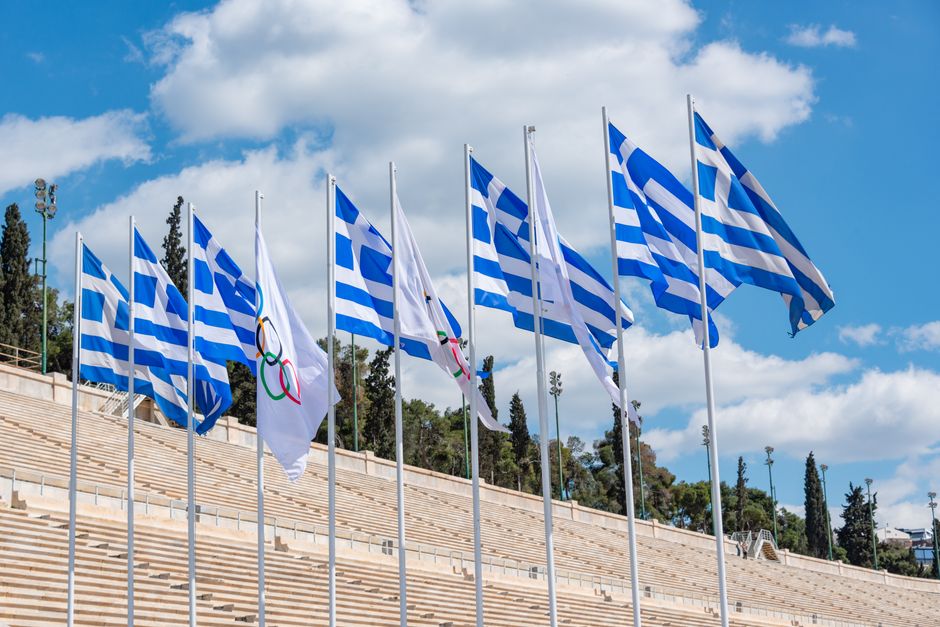
Coventry confirmed the IOC would continue monitoring Russia's conduct, and emphasised that no determination had yet been made on whether Russia would be permitted to display its flag, colours or national anthem at future Games.
Ukraine Pushes Back Sharply
The response from Ukraine was swift and critical. Ukraine's Foreign Ministry described the IOC's move as "a troubling signal for the entire international community", urging nations hosting international competitions to maintain bans on Russian state symbols, arguing that war waged under that flag remained ongoing and unprovoked.
Ukrainian skeleton racer Vladyslav Heraskevych — who became a prominent symbol of Ukrainian athlete resistance at the Milano Cortina Games after being banned for wearing a helmet commemorating athletes killed in the conflict — called on national Olympic committees to form a coalition opposing the decision. He suggested that visa restrictions and boycott discussions should be placed firmly on the agenda. The war in Ukraine that prompted Russia's original suspension continues with no resolution in sight.
Russia Welcomes the Decision as a 'Green Light'
Russia's response stood in stark contrast to Ukraine's. Russian Sports Minister Mikhail Degtyarev welcomed the IOC ruling as a breakthrough moment, declaring it should open the door for Russian athletes to resume full participation across all international sporting competitions.
"Our country's return to the Olympic family is a green light for international federations to reinstate all our athletes," Degtyarev said.
The provisional nature of the lifting means the IOC retains significant leverage over Russia's ultimate status at LA 2028. Whether Russian athletes will march under their own flag — or again compete under a neutral banner — remains one of the most politically charged questions in world sport heading into the next Olympic cycle.