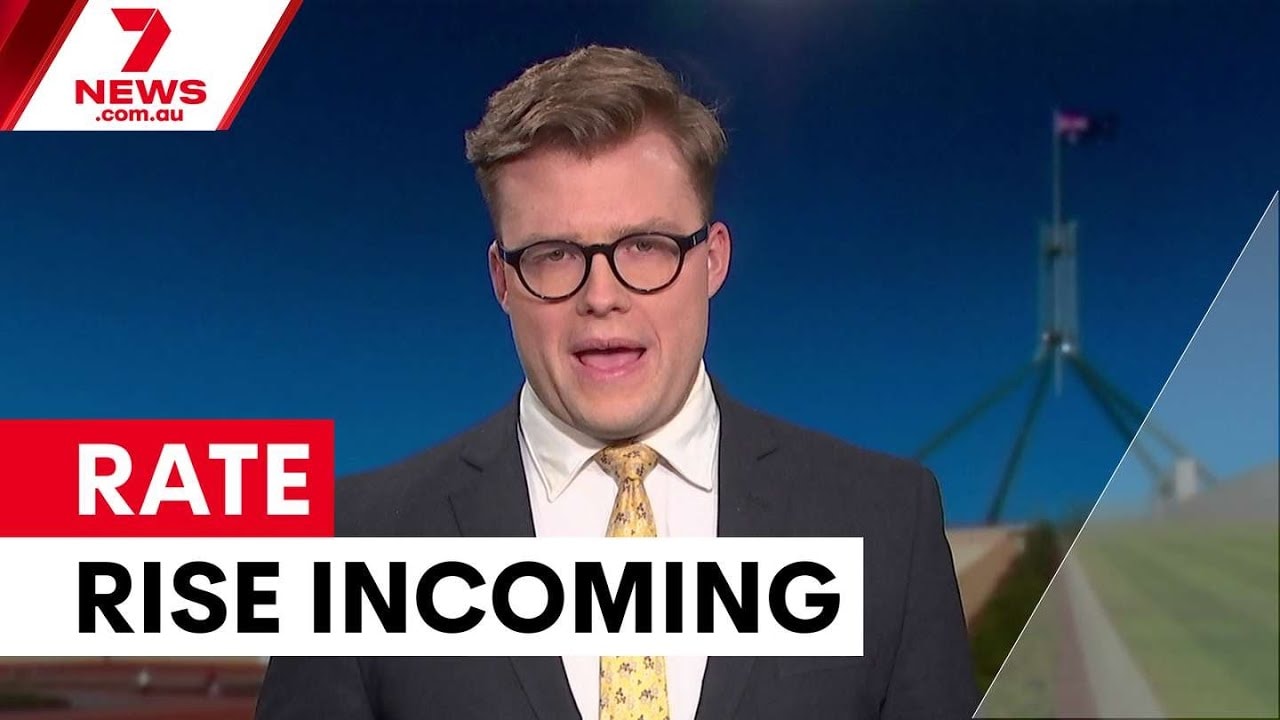
Australia's campaign for a seat on the United Nations Security Council is drawing uncomfortable scrutiny over the country's record on Indigenous youth incarceration, with Prime Minister Anthony Albanese launching the bid in New York at the same time as a UN body has issued an urgent warning over the treatment of Aboriginal and Torres Strait Islander children in the justice system.
The Bid and the Contradiction
Albanese formally launched Australia's campaign for a non-permanent seat on the UN Security Council for the 2029–2030 term during a visit to New York, unveiling a promotional video that opens with Indigenous Australians Minister Malarndirri McCarthy speaking in her traditional Yanyuwa language. McCarthy appealed for international support, declaring that Australia is "home to the oldest continuous culture on the planet."
The move to foreground Indigenous culture as a centrepiece of the diplomatic push has been complicated by an "early warning and urgent action procedure" issued earlier this year by the UN Committee on the Elimination of Racial Discrimination. The committee expressed grave concern about racial discrimination affecting Indigenous children across education, healthcare and housing — conditions it described as a "key factor contributing to their heightened vulnerability to arrest, incarceration and re-offending." You can read more about the broader diplomatic context of how Australia is framing its Security Council campaign at the UN.
A Damning Statistical Picture
The scale of the problem is stark. Data from the Australian Institute of Health and Welfare found that Indigenous young people aged between 10 and 17 made up 60 per cent of the youth detention population nationwide — despite accounting for just 6.6 per cent of the general population. That means Indigenous youth were 21 times more likely to be in detention than their non-Indigenous peers, and the numbers were trending upward.
The UN Committee also criticised jurisdictions where the age of criminal responsibility remains as low as 10 years, and where children can face adult penalties — including life imprisonment — for their offences. The committee's intervention followed a separate inquiry by the UN Working Group on Arbitrary Detention, which also examined Indigenous youth incarceration in Australia.
Adding to the pressure, the committee raised concerns about "limited progress" on Closing the Gap, the framework that sits at the centre of the Albanese government's Indigenous affairs agenda.
Albanese Responds — But Deflects
When questioned in New York about whether his government was demonstrating sufficient leadership on the issue, the Prime Minister acknowledged the problem but stopped short of announcing new measures. "Indigenous disadvantage is a fact in Australia," Albanese said, adding that his government continues to work on Closing the Gap "in a range of areas."
Albanese was also asked about a separate investigation into the Indigenous child protection system in Western Australia. He declined to intervene, describing it as a state matter. "We're not about to intervene against the Western Australian government," he said. "This is a Western Australian issue." He directed questions to Minister McCarthy and noted the difficulty of tracking domestic developments from New York on an hour-by-hour basis.
Despite the tensions, Albanese defended the decision to feature Indigenous culture prominently in the Security Council campaign, saying Australia's status as home to "the oldest continuous culture on Earth" should be "a source of pride."
What It Means for the Bid
The juxtaposition of Australia championing its Indigenous heritage on the world stage while facing urgent international criticism over the treatment of Indigenous children is likely to remain a live issue as the Security Council campaign builds momentum. The UN committee's warning represents a formal, on-the-record rebuke that other member states may weigh when considering their support. For the Albanese government, bridging the gap between its diplomatic messaging and its domestic record on Indigenous affairs may prove as challenging as securing the votes themselves.