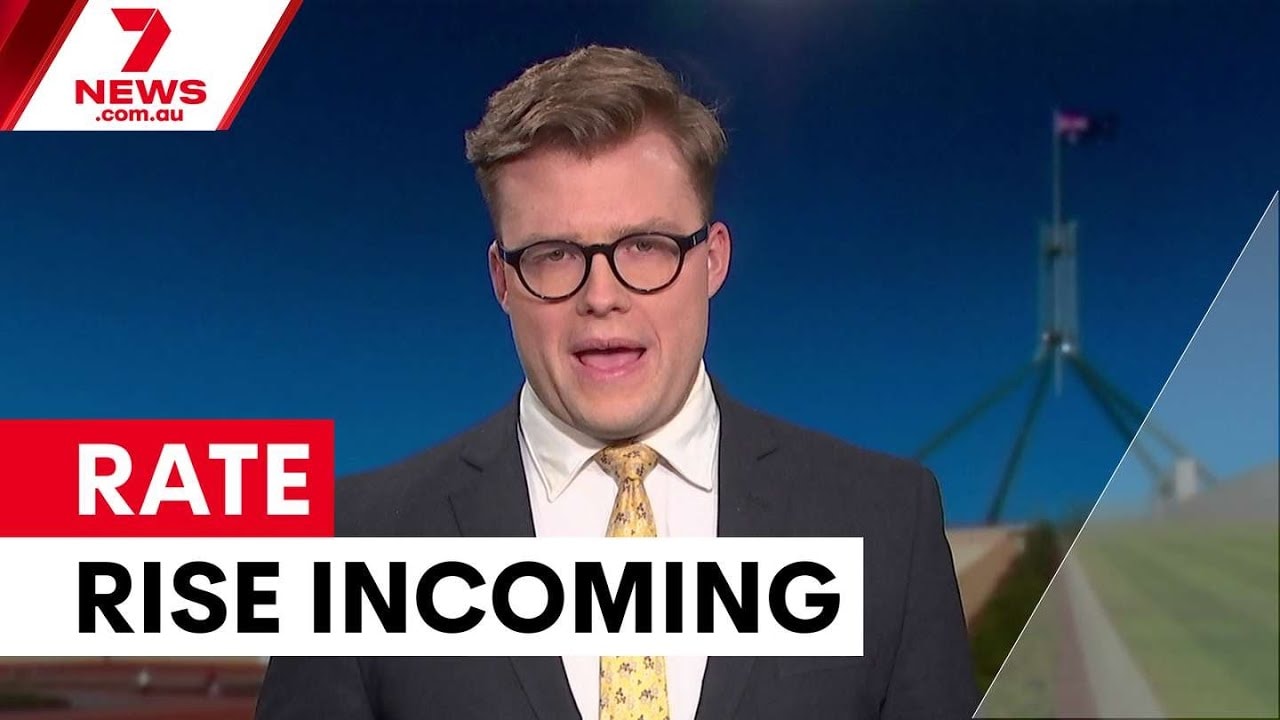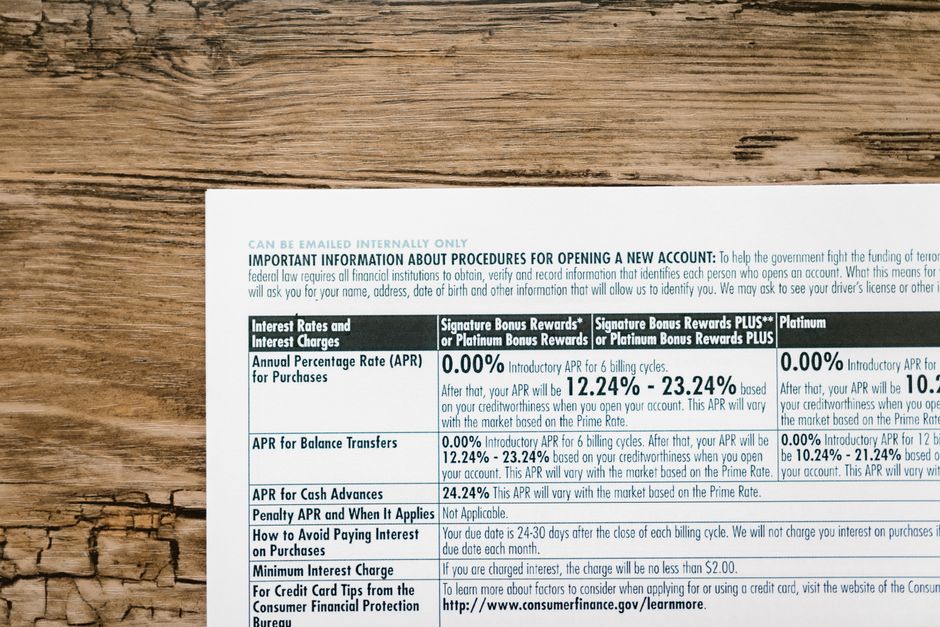
The Reserve Bank of Australia has delivered another blow to mortgage holders, raising the official cash rate by 25 basis points to 4.60 per cent — its highest level in 15 years — as it continues its battle to bring inflation under control. But a leading economist is warning that monetary policy alone cannot fix what ails the Australian economy, and that governments must shoulder more of the burden.
Dr Christian Baylis, founder of Fort Lake Asset Management, says the fundamental problem is that Australia's economy is producing less than it is being asked to deliver — and raising interest rates does nothing to change that underlying reality.
Why the RBA is raising rates — and what it cannot fix
At its core, the inflation challenge facing Australia stems from demand outstripping supply. Australians are seeking more goods and services than the economy is currently capable of producing, and a range of factors — elevated government spending, higher global oil prices, and booming investment in sectors such as data centres — are all adding to that pressure.
The RBA's primary lever is the cash rate. By making borrowing more expensive, it reduces the amount households and businesses can spend, theoretically cooling demand and easing price pressures. But as Dr Baylis points out, higher repayments do not build a single road, increase business investment, or make any company more productive.
"The RBA has to effectively try to temper the demand because it can't do anything about the supply side of the economy," he said.
For households already stretched by earlier rate rises, the practical impact of another increase is simply less money left over at the end of the month — with no corresponding improvement in the economy's capacity to deliver goods and services more affordably.
Governments must step up on the supply side, economist says
Dr Baylis argues that if monetary policy is being used to suppress demand, governments need to be working just as hard on the other side of the equation — expanding the economy's productive capacity.
He used a simple analogy to illustrate the point: a baker unable to keep up with demand for croissants. Rather than simply forcing customers to buy fewer croissants, the smarter solution is to upgrade the baker's equipment so more can be produced. The same logic, he says, applies to the national economy.
"If you can reduce red tape, you can reduce green tape. All of these things allow businesses to produce the goods and services in the economy at a speed that would be consistent with the demand that will ultimately bring inflation down," Dr Baylis said.
Practical measures he points to include incentives for businesses to invest in new equipment, cutting regulatory burdens, and building infrastructure that makes it easier for people and companies to operate efficiently. Infrastructure investment of this kind, he argues, is precisely the type of supply-side action that could complement — rather than contradict — the RBA's efforts.
Surplus over deficit: the fiscal argument
Dr Baylis also took direct aim at the government's fiscal position, arguing it is actively making the RBA's job harder. With inflation still elevated, he says the government should be running substantial budget surpluses rather than deficits, which he argues add to demand in the economy and put upward pressure on prices.
"At this stage of the economy, with the sorts of issues that we have as an economy, the government should be running $30 billion surpluses, not $30 billion deficits," he said.
A tighter fiscal stance, he argues, would reduce the overall government footprint in the economy, ease demand pressures, and give the RBA greater room to hold — or even lower — interest rates, rather than being forced to keep squeezing household budgets.
What it means for mortgage holders
For now, Australians with variable-rate mortgages will face higher monthly repayments following Tuesday's decision, with disposable incomes under continued pressure. Dr Baylis's core message is that households should not have to carry the entire weight of the inflation fight through reduced spending while governments fail to act on the structural issues that are driving prices higher in the first place.
Whether that call is heeded remains to be seen, but with the cash rate now at its highest point in a generation, the pressure on policymakers — not just the RBA — is intensifying.