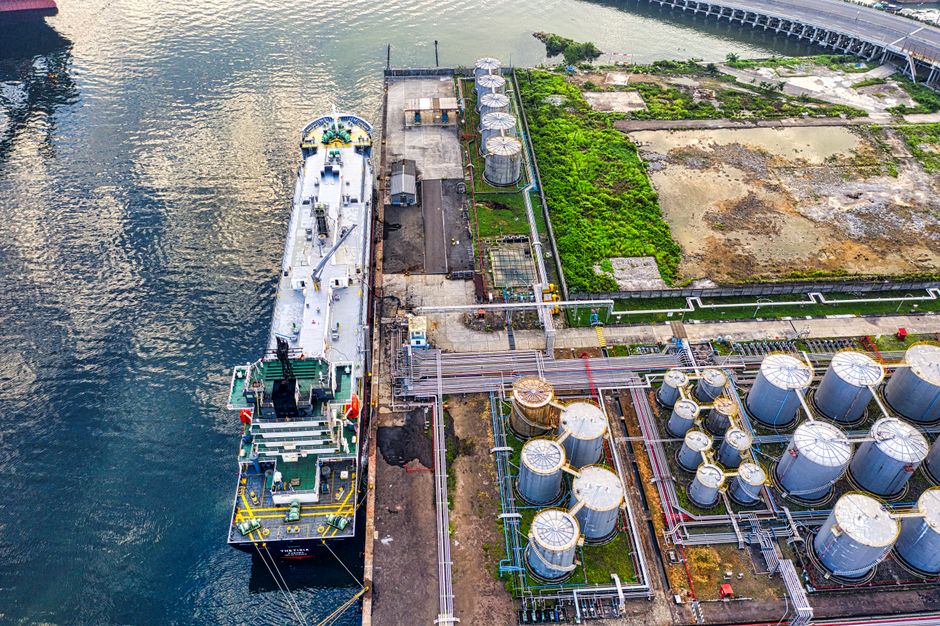
Australia is staring down a worsening diesel crisis, with dozens of fuel-laden tankers stranded off the coastline because the country lacks the storage capacity to receive their cargo — and the financial pain is set to be passed directly to motorists at the bowser.
The anchored vessels are costing the country between $30,000 and $90,000 a day in waiting fees, with energy finance analysts warning that diesel prices could soon climb to around $2.50 a litre as those costs flow through the supply chain.
How Australia Ended Up With a Diesel Surplus
The crisis traces back to a government decision to subsidise additional fuel imports after conflict in Iran began disrupting shipping lanes through the Strait of Hormuz. The move was intended to safeguard Australia's fuel security at a time when supply disruptions posed a genuine threat — you can read background on the 2026 Strait of Hormuz crisis for broader context on the global disruption.
The intervention worked in the sense that shortages were averted, but it created a new problem: Australia imported roughly 10 per cent more fuel than usual across April, May and June, and the country's storage infrastructure simply could not absorb the volume. The result is a glut of diesel sitting in tankers offshore, going nowhere.
Energy finance analyst Kevin Morrison explained the government's rationale, noting that securing supplies was considered critical at the time. "The government wanted to intervene … securing those supplies was very, very important because we were worried that there would be shortages," he said.
For more on how the Hormuz disruption has shaped Australia's energy response, see our earlier coverage of the Hormuz crisis, US-Iran escalation and Australia's response.
Who Pays the Bill for Stranded Ships?
The daily demurrage costs — the fees incurred when vessels are held idle beyond their scheduled unloading time — will not be absorbed quietly by fuel companies. Morrison was direct about where the burden will ultimately land.
"That's the cost that's going to be incurred by the fuel importer. So, the retailer will eventually have to incur that price and then they will pass it on to the consumer," he said.
That is unwelcome news for Australian motorists who have already been through a turbulent year at the petrol pump. Diesel is not a niche product — it accounts for 52 per cent of Australia's daily fuel consumption, meaning price rises ripple across transport, logistics and ultimately the cost of goods.
Compounding the pressure, the fuel excise cut that had offered some relief to consumers came to an end earlier this week, removing a buffer at precisely the wrong moment.
Australia's Fuel Vulnerability Laid Bare
The episode has shone a harsh light on the structural fragility of Australia's fuel supply chain. The country imports approximately 90 per cent of its liquid fuel needs, including around 85 per cent of its diesel, leaving it heavily exposed to both global supply shocks and the limitations of its own storage network.
Fuel companies are reportedly working to expand storage capacity, but analysts caution that building out infrastructure is not a quick fix — it will take considerable time before the bottleneck is meaningfully resolved.
With prices already volatile and the excise relief now gone, Australians face the prospect of sustained pressure at the pump in the months ahead. Our earlier reporting on fuel crisis warnings and the new risks facing Australia outlines why analysts had been sounding the alarm well before the current crunch took hold.