AI revolution: Is Australia falling behind?

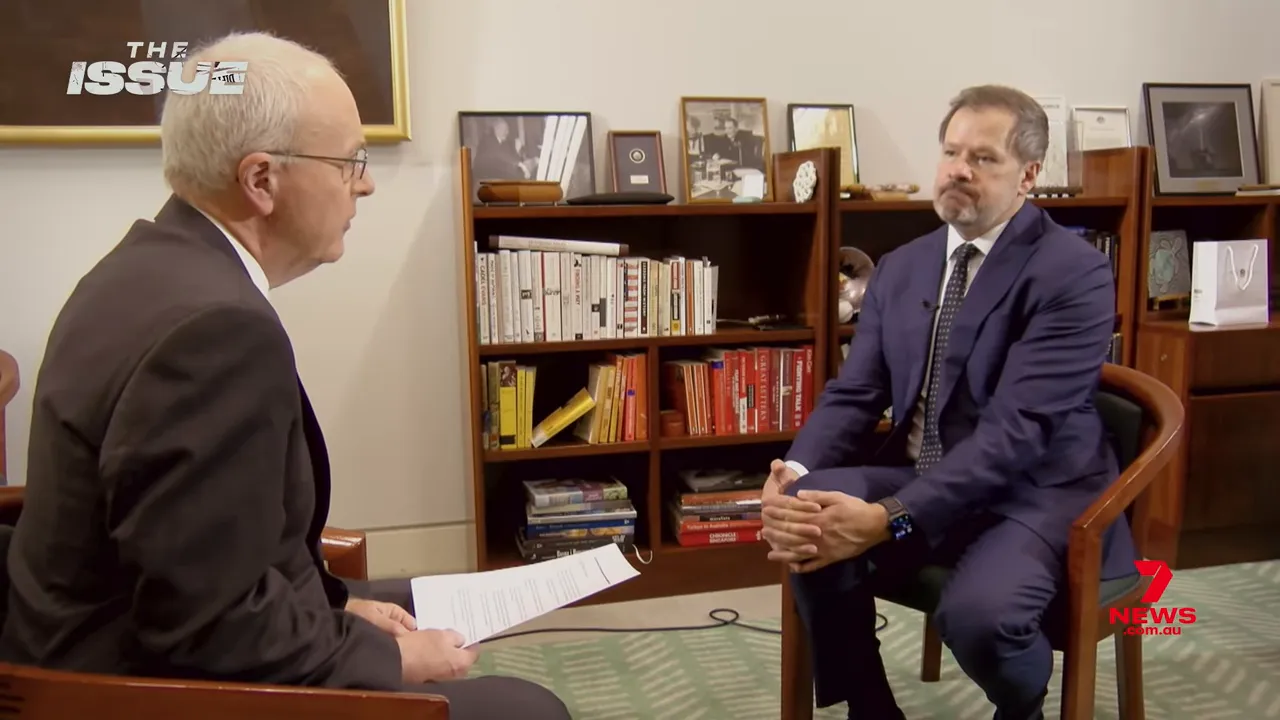
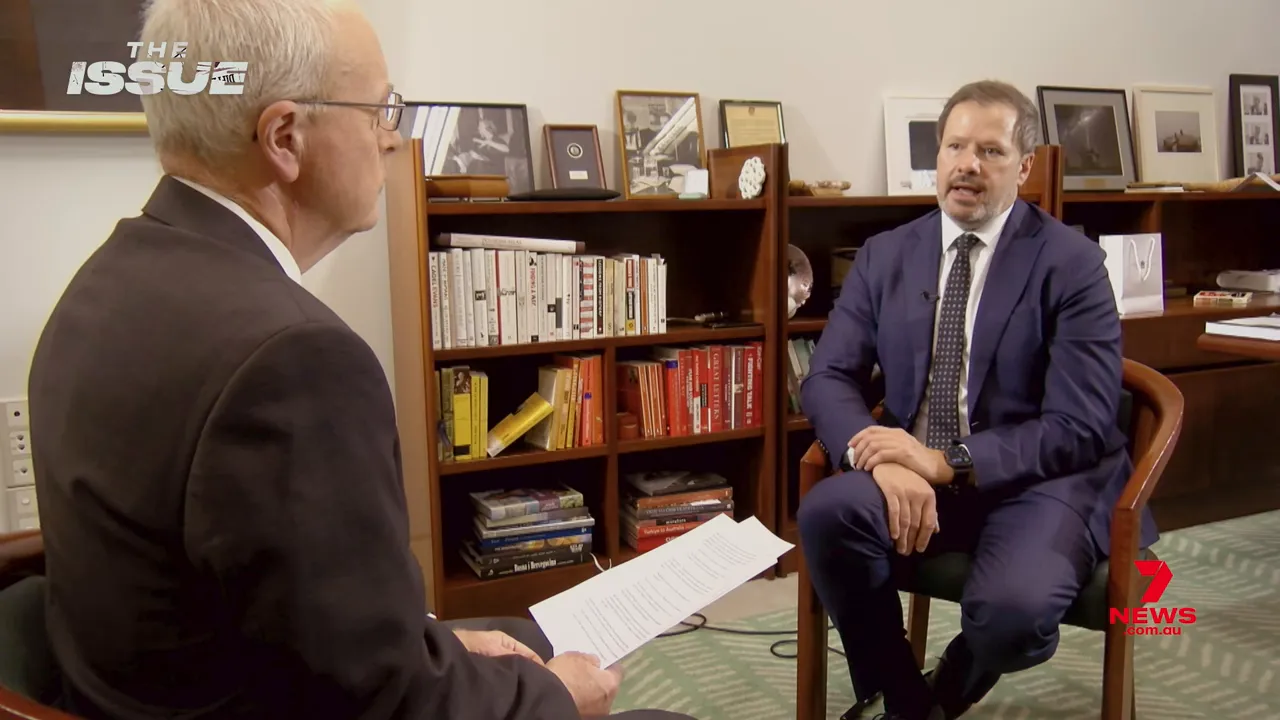
CANBERRA, AUSTRALIA — The AI revolution is accelerating overseas and, according to Labor MP Ed Husic, Australia risks being left on the platform. Husic — a former Science Minister and the first Muslim sworn into federal cabinet — warns Canberra lacks a national game plan for artificial intelligence and is letting short-term choices, from data-centre races to weak regulation, shape our future. His blunt message: act now or cede the advantage.
Table of Contents
- Why this matters now
- Where Australia is falling short on AI
- Data centres: a gold rush with trade-offs
- Big banks: rogue behaviour and social licence
- Politics, identity and public safety
- Foreign policy and alliances
- What Husic wants from government
- Key takeaways
- Further reading
- FAQs
Why this matters now
Ed Husic frames the problem simply: governments move slowly while tech moves fast. That gap creates risk — to economic competitiveness, social safety and public trust. He points to neighbours such as South Korea, which has already enacted national AI laws and poured funding into capability and research. Australia, by contrast, has patchwork measures and a disbanded advisory body that Husic favoured.

Where Australia is falling short on AI
Husic says there is no national framework to build confidence and capability for AI across government, industry and the community. Consultation he led revealed widespread concern — not from technophobes, but from parents, educators and clinicians worried about impacts on jobs, privacy and youth mental health.
Key weaknesses he highlights include the absence of a single, technology-specific regulatory approach and the loss of an expert AI advisory body that could give rapid, informed guidance to ministers. Without a strong national game plan, Husic worries Australia will play catch-up.
Data centres: a gold rush with trade-offs
States are competing to become the country’s data-centre capital, lured by jobs and investment. Husic warns that the rush risks overlooking energy, water and labour pressures. Data centres consume large amounts of power and water — and in a tight labour market they can push up costs for local communities.
He argues data centres are only one piece of the AI puzzle. Building storage capacity alone won’t deliver generative-AI expertise, research labs or downstream industries that create high-value jobs.

Big banks: rogue behaviour and social licence
As chair of the House Economics Committee, Husic has seen a string of troubling incidents. From ANZ’s historic fine for mishandling a government bond to CBA keeping low‑income customers in fee-bearing accounts, the pattern suggests fines have been treated as a cost of doing business.
He calls for stronger regulators and higher penalties so misconduct is truly discouraged. Allowing poor behaviour to persist, he says, erodes social trust and fuels political extremism — a problem that is as much about economics as it is about civic cohesion.

Politics, identity and public safety
Husic is candid about his own story — the son of Bosnian migrants who rose to national office — and about the toll of rising anti‑Muslim sentiment. “Muslim Australians should not fear being spat on in the street, having their hijabs torn off,” he says, arguing that anti‑Muslim talk has been normalised in public debate.
He urges the major parties to separate strong counter‑terrorism measures from rhetoric that holds entire communities responsible for extremist acts. For Husic, protections such as robust anti‑vilification laws are essential to prevent further marginalisation and threats to places of worship.

Foreign policy and alliances
Husic reflects on shifting international dynamics and the need for Australia to diversify friendships beyond a single ally. He cautions that recent US behaviour underlines why Australians are rethinking reliance on one partner and suggests deeper engagement with like‑minded middle powers.
Domestically, he urges “less Red Bull politicking” — fewer performative fights and more constructive, long‑term policymaking that brings communities together rather than pushing them apart.
What Husic wants from government
- Re-establish a standing AI advisory mechanism to give rapid, expert advice to ministers.
- Create a national AI framework that balances innovation with safety and public trust.
- Assess data‑centre approvals for energy, water and labour impacts before greenlighting projects.
- Empower regulators with stronger enforcement powers and larger penalties for banking misconduct.
- Restore meaningful anti‑vilification protections to shield minority communities from abuse and threats.
Key takeaways
- Australia risks lagging in the AI revolution without a coordinated national plan.
- Data centres are valuable but not a substitute for whole‑of‑ecosystem investment in AI research and skills.
- Banking misconduct undermines trust; regulators need more teeth.
- Political rhetoric matters: anti‑vilification laws and community protections are part of national resilience.
Further reading
For policymakers and readers seeking next steps, Husic’s remarks point to three priorities: rebuild expert advice into government, fund capability not just infrastructure, and use regulation to build public confidence.

FAQs
Is Australia currently behind in the AI revolution?
Many experts, including Ed Husic, argue Australia is at risk of falling behind without a national AI framework and sustained investment. Neighbouring countries are already legislating and funding AI capability, signalling a competitive gap for Australia.
Are data centres the same as AI capability?
No. Data centres provide storage and compute power but do not automatically create AI research, talent or commercialisation pathways. Comprehensive investment in skills, research and governance is needed alongside infrastructure.
What should be done about banks accused of misconduct?
Husic recommends stronger regulatory powers and higher fines so penalties are not treated as mere business costs. Public signalling from government that misconduct is unacceptable is also important to rebuild trust.
How can Australia protect minority communities from abuse?
Restoring and strengthening anti‑vilification laws, coupled with clear political leadership against hate speech, would give legal protection and help reduce the normalisation of abusive rhetoric toward minority groups.
Will reintroducing advisory bodies help with AI policy?
Advisory bodies with diverse technical and community expertise can help governments respond faster and more effectively to AI developments, ensuring policy keeps pace with rapidly changing technology.

The information in this article has been adapted from mainstream news sources and video reports published on official channels. Watch the full video here Is Australia falling behing in the AI revolution? | THE ISSUE


