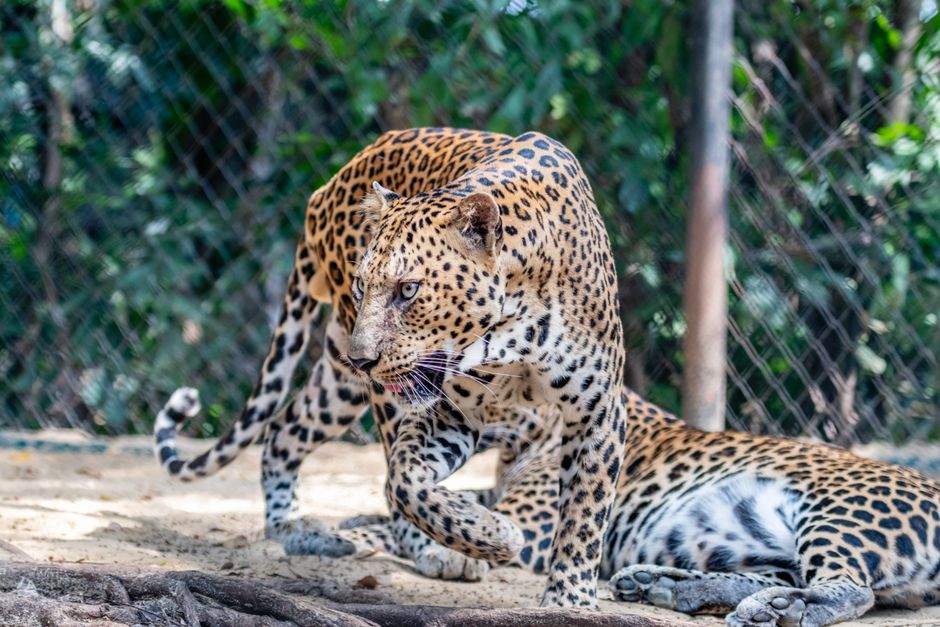
A zookeeper at a safari park in the Netherlands has died after being mauled by at least one leopard inside an enclosure, with an independent investigation now underway to determine exactly how the tragedy unfolded. The woman, who was in her 50s, was attacked at Beekse Bergen Safari Park around 11am local time on Saturday, sustaining serious injuries to her head and neck before colleagues rushed to her aid.
Decades of Dedication Cut Short
The zookeeper had an extraordinary connection to the park, having first been employed there at just 17 years of age and spending much of her adult life working at the facility on and off. In the eight years leading up to her death, she had been working specifically with leopards, making the circumstances of the attack all the more difficult for colleagues and management to process.
After the attack, she used her walkie-talkie to call for help. Emergency services, including a medical helicopter, were dispatched to the park as colleagues converged on the leopard enclosure. She was rushed to hospital in a life-threatening condition, but her condition deteriorated over the following days and she died of her injuries on Wednesday.
The park expressed profound grief in a statement confirming her passing. "Her passing deeply affects us all, and we sympathise intensely with her family, friends, and loved ones," the zoo said. Management also announced a dedicated space within the park would be set up for colleagues and visitors to leave condolences, and that all staff would have the opportunity to say goodbye.
Why Was She Inside the Leopard Pen?
Investigators are now focused on understanding why the experienced keeper was inside the enclosure with the predators at the time of the attack. Under normal zoo protocols, staff are not permitted to share the same space as predatory animals, and any entry into an enclosure requires staff to work in pairs, following strict safety guidelines.
It is understood that, due to a storm on the day, the leopards had been moved from their outdoor area into an indoor enclosure. Information about this change was distributed to staff, but it remains unclear whether the woman was aware the big cats were inside that particular space when she entered. Complicating matters further, the indoor enclosure had no CCTV coverage, meaning the exact sequence of events was not recorded and cannot be reviewed.
Leopards Will Not Be Euthanised
Despite the fatal outcome of the attack, the park has confirmed that none of its leopards will be put down as a result of the incident. A spokesperson noted that the animals are and remain predators, a statement that reflects the park's position that the big cats behaved according to their nature.
An independent investigation has been launched to establish a full picture of what occurred and to assess whether any safety protocols were not followed or need to be strengthened going forward. The park's immediate focus, it said, remains on supporting the family and colleagues of the woman who lost her life.
The tragedy serves as a stark reminder of the risks faced by those who dedicate their working lives to the care of dangerous wildlife, even when they have years of specialist experience behind them.

