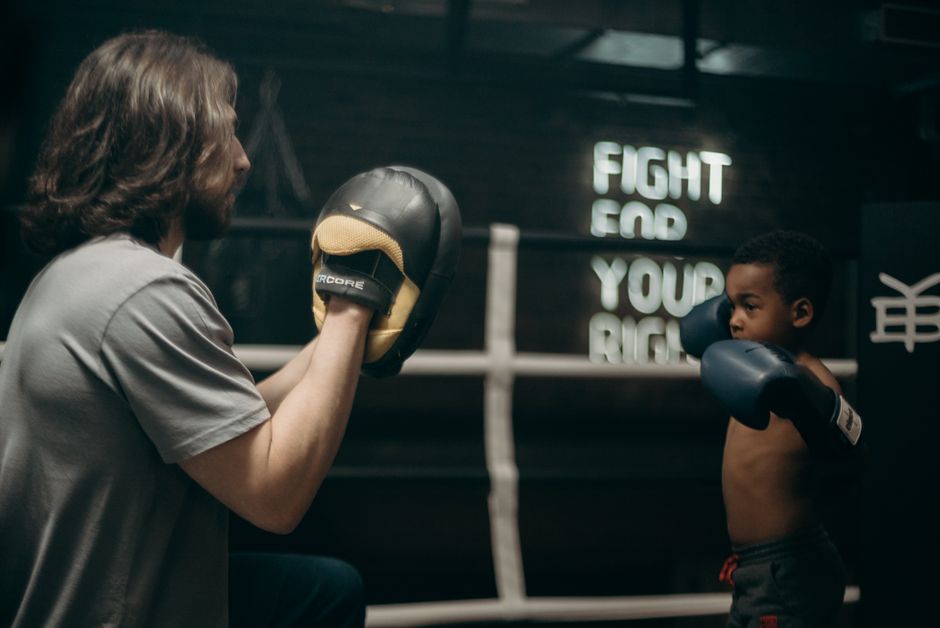
A free youth boxing program in the Northern Territory is proving that lacing up gloves and stepping into the ring can be one of the most effective tools for keeping vulnerable young people on a positive path. Gloves of Hope, run by Aboriginal-led grassroots organisation Hoops 4 Health, brought its work to a wider audience this weekend when it co-hosted one of Darwin's biggest amateur boxing events in a decade at Marrara Stadium.
The sold-out competition, run in partnership with Boxing NT, drew clubs from across Darwin and Alice Springs, with one team making the long journey from Kununurra in Western Australia. Ticket proceeds from the event will flow directly back into the Gloves of Hope program to support its ongoing grassroots operations.
Sport as a Tool for Change
At first glance, encouraging young men to trade punches may seem a counterintuitive way to reduce antisocial behaviour. But the people behind Gloves of Hope say the discipline and structure of boxing, combined with the right mentorship, is making a measurable difference in the lives of young Territorians.
The program is free to participants and gives young men and women the opportunity to train under professional coaches while developing resilience, emotional regulation and a sense of community belonging.
Social impact director Matthew Bonson said the program draws on evidence-backed therapeutic models that use patterned, rhythmic exercise to help young people who have experienced trauma manage their emotions.
"We try to improve their mental health, but also guide them with integrity about how they live their lives," Mr Bonson said.
He said the structured environment of boxing training had particular benefits for young men, helping them "stay cool longer," while also building confidence in young women participants.
Positive Role Models at the Heart of Gloves of Hope
The Northern Territory continues to grapple with some of the highest youth incarceration rates in the country, with First Nations boys aged 10 to 14 particularly overrepresented. For Mr Bonson, addressing the root causes of that crisis means giving young people access to trustworthy adult figures they can look up to, and that is central to what Gloves of Hope offers.
"Particularly with young men, if you put the right older men in front of them, who they know are trying to help them, they do want to listen," he said.
While Mr Bonson is careful not to overstate the program's reach, describing it as "not a magic-wand solution," he believes the consistent presence of positive coaches and mentors is a key reason the program resonates with young participants. Hoops 4 Health also runs sport programs inside NT detention centres, extending that mentorship to some of the territory's most at-risk youth.
This philosophy echoes broader conversations about what Australia can learn from international youth sports models in terms of using structured athletic programs to create long-term social benefits.
Fighters Step Up on the Big Stage
Saturday's event at Marrara Stadium gave program participants the chance to compete in front of a sold-out crowd, with title belts on the line and clubs representing the breadth of the Top End and beyond.
Declan Unwin-Walker, one of the fighters competing for a belt, said he arrived at the event "keen, excited, nervous, but ready to go." He had trained with Gloves of Hope for more than a year ahead of the competition and said the experience had rewarded him both physically and mentally.
"We all push each other and show up every day, and it's definitely about pushing each other and just, yeah, keep showing up," Mr Unwin-Walker said.
Jerrel O'Riley from the visiting Kununurra Warriors Boxing Club said it was exciting to compete on such a prominent stage, reflecting the growing reputation of the event beyond the NT border.
The sport of boxing has long carried a cultural mythology around redemption and discipline, a tradition stretching back through generations of fighters. But for the young people in Gloves of Hope, the ring is less about glory and more about finding structure, belonging and someone worth listening to, one training session at a time.

