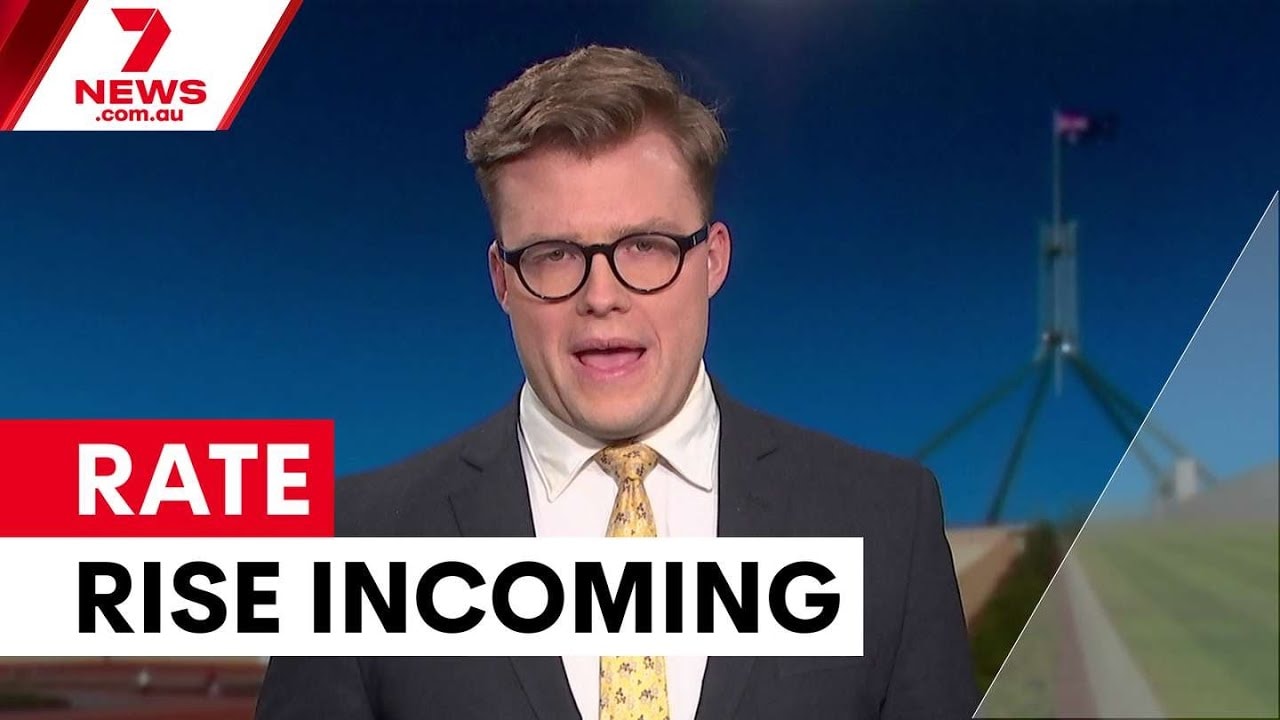
Australia is staring down its weakest sustained period of economic growth since the recession of the early 1990s, with a leading forecaster warning that long-standing structural vulnerabilities are now impossible to ignore. Deloitte Access Economics has projected GDP growth will fall below 2 per cent in both this financial year and next — the first back-to-back years of sub-2 per cent expansion since the aftermath of the 1990–91 downturn.
A deeply downbeat outlook for the sluggish economy
Deloitte Access Economics director Stephen Smith said the combination of the war against Iran and renewed inflation this year had brought underlying weaknesses in the Australian economy sharply into focus.
"Australia is now structurally exposed in ways that have become hard to ignore. Deloitte Access Economics has rarely adopted such a downbeat assessment of the short-term outlook," he said.
Smith pointed to years of strong population growth masking weak productivity, as well as chronic underinvestment in housing, infrastructure, energy and productive capacity, as the root causes of the current malaise.
Inflation is expected to remain elevated at around 4 per cent through 2026–27, before easing to 2.6 per cent in 2027–28. Critically, real wage growth is forecast to go backwards in 2026–27, meaning workers will effectively be earning less in purchasing power terms despite nominal pay rises.
Unemployment, currently sitting at 4.4 per cent, is tipped to climb to an average of 4.9 per cent next financial year before peaking at 5 per cent the year after — a significant deterioration that will add to household stress already running at high levels.
Households under mounting cost-of-living pressure
Smith said the squeeze on Australian households was the single biggest drag on the economy. Mortgage repayments on the average home loan have risen by $350 a month as a result of three interest rate increases already delivered this year, compounding the pain from higher rents, insurance premiums, grocery bills and electricity costs.
"Households remain under pressure. Tax relief, nominal wage gains and higher minimum and award wages from July will provide some support," Smith said. "Yet those offsets are being tested by renewed inflation pressure, higher borrowing costs, volatile fuel and transport costs and weak confidence."
Consumer sentiment has also softened, with a weekly measure of household confidence slipping a further 1.2 points over the most recent seven-day period — a sign that Australians are growing increasingly wary about their financial position.
Interest rate outlook and state-by-state performance
Deloitte is forecasting one more rate rise from the Reserve Bank of Australia, most likely at its August meeting, which would push the official cash rate to 4.6 per cent. However, financial markets are telling a different story: the probability of a hike has fallen to its lowest point this year, with futures pricing showing just a 38 per cent chance of an increase by February.
Markets have fully priced in a rate cut by September next year, with a 50 per cent chance of a second cut before the end of that calendar year — a sharp divergence from Deloitte's more cautious view.
The state-by-state picture is equally striking. Western Australia, which has been among the nation's top economic performers in recent years, is forecast to record the slowest growth of any state or territory this financial year at just 0.7 per cent. The Northern Territory leads the pack at 5.9 per cent, while NSW, South Australia and Victoria are each expected to grow at 1.3 per cent. Queensland is tipped at 1.7 per cent, the ACT at 1.6 per cent and Tasmania at 0.9 per cent.
Some bright spots amid the gloom
Despite the broadly negative outlook, Deloitte identified pockets of resilience. Business investment is forecast to grow by 6.9 per cent this year and 5 per cent in 2027–28, driven in part by a surge in data centre construction and technology spending within Australia. The forecaster noted this could deliver a long-overdue lift in productivity — one of the economy's most persistent weak points — if the investment is channelled effectively.
Financial markets, however, remain a concern, described as "frothy" due to heavy reliance on projected profits from the artificial intelligence sector — a concentration of optimism that carries its own risks should those expectations go unmet.