A 40-year-old woman has been rescued after plunging approximately 10 metres from a popular walking trail along the limestone cliffs of Waikerie in South Australia's Riverland region on Wednesday morning. Emergency services received the call just before 9.45am after the woman slipped from the Rotary Cliff Top Walk, a scenic trail that winds above the River Murray.
Dramatic Cliff Rescue at Waikerie
The Rotary Cliff Top Walk sits atop Waikerie's distinctive orange limestone cliffs, roughly 180 kilometres from Adelaide. While the trail is popular with walkers and photographers, it features exposed, unfenced sections where the ground underfoot can be unpredictable — and drops along the Waikerie section commonly range from 8 to 15 metres.
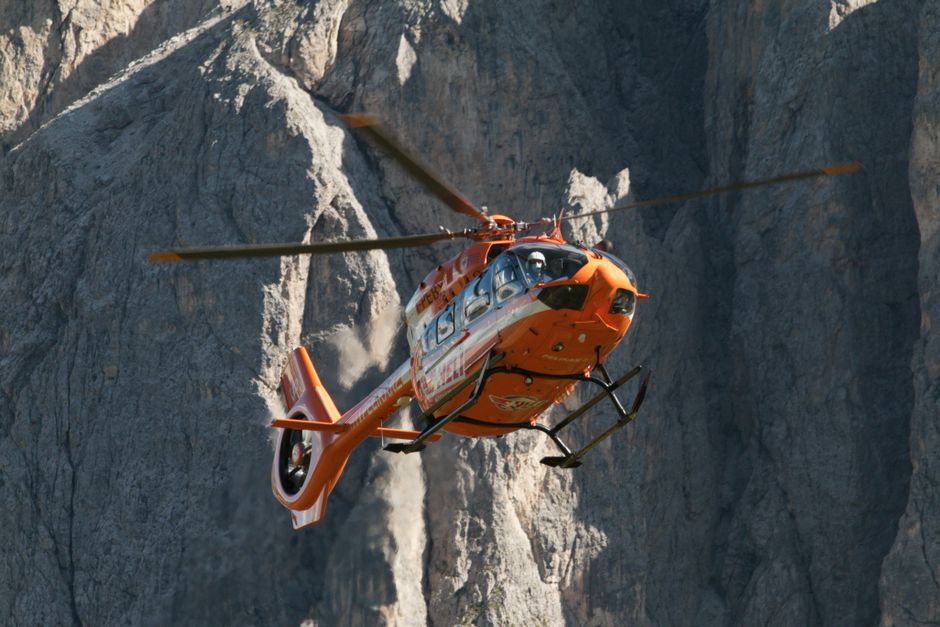
After the woman fell, local emergency crews attended the scene but quickly determined they were unable to bring her back up via the cliff face. A MedStar rescue helicopter was subsequently dispatched from Adelaide to assist.
A specially trained paramedic was lowered down the cliff face to reach the woman at its base. Once she was stabilised and secured, the pair were winched to safety together. Police confirmed she remained conscious and was able to communicate with rescuers throughout the operation.
The woman was then airlifted to the Royal Adelaide Hospital, where she is being treated for a broken wrist and suspected internal injuries.
A Cliff Walk Known for Its Beauty — and Its Risks
The Waikerie cliffs are well regarded for their dramatic scenery overlooking the Murray, drawing visitors from across the state. However, the area is also known for its sheer drops and the crumbly, unstable nature of the limestone edges — conditions that can make sections of the walk hazardous, particularly if visitors stray from the marked path.
Wednesday's incident serves as a stark reminder of the dangers that can accompany cliff-top walks, even on well-known recreational trails. The swift coordination between local emergency services and the MedStar aviation team was credited with securing a positive outcome for the injured woman.
South Australia's emergency services have previously faced complex rescue scenarios across the state's varied terrain. The response highlights the critical role of aeromedical resources in reaching patients in locations inaccessible by road or on foot — a capacity that remains vital for regional and remote communities across the state.