A nation of just 5.6 million people — roughly the population of Melbourne — has knocked Brazil out of the FIFA World Cup, and sports scientists say the result is no fluke. Norway's 2-1 victory over Brazil in the Round of 16 on Monday, powered by two goals from striker Erling Braut Haaland, has reignited debate about how countries develop elite athletes — and whether Australia's approach is falling short.
The win marked Brazil's earliest World Cup exit since 1990, while Norway — absent from the tournament for 28 years — is now through to the quarter-finals, where it will face England on Sunday. Experts say the result points to something far deeper than individual talent: a youth sports philosophy that has been quietly reshaping Norwegian athletics for decades.
The Norwegian Model: Joy Over Competition
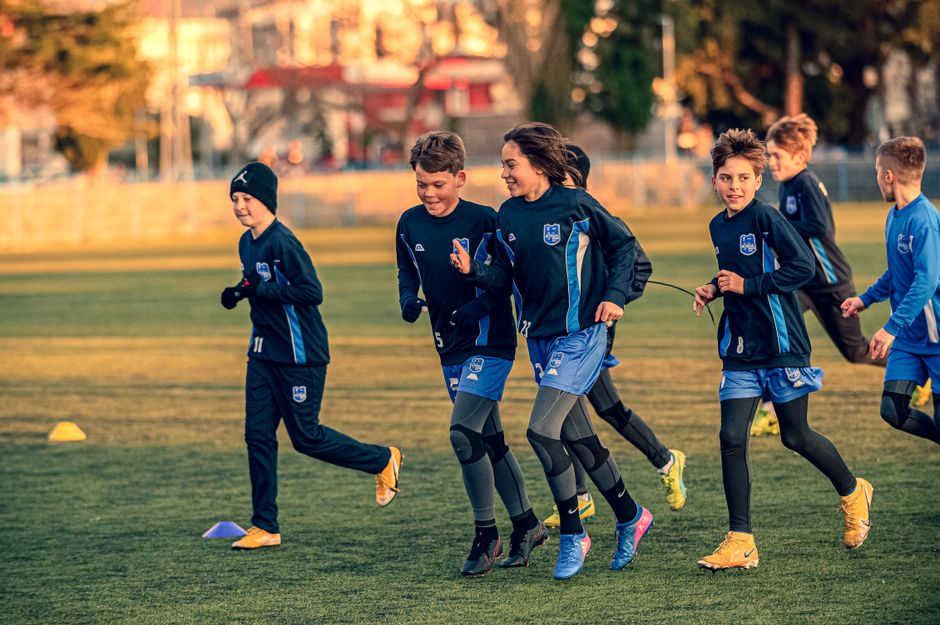
In Norway, the guiding principle of youth sport is known as Idrettsglede — loosely translated as "the joy of sport for all." The approach actively discourages early specialisation and elite streaming, instead encouraging children to try a range of sports and, crucially, to keep playing them for longer.
Ryan Worn, a senior lecturer in exercise and sport science at Federation University, has studied the model closely. He says the contrast with Australia is stark.
"In Australia, if you're a good nine-year-old footballer, you might get selected to go into a junior academy. Then, you get the best coaches, you get the best pitches to play on — that's not the case in Norway," Worn explained.
"Their key player, Haaland, he played for his local club until he became a professional. They play more sports for longer before specialising."
Perhaps most strikingly, the philosophy is enshrined in Norwegian law. Before the age of 13, there are no public league tables, no official match scores and no national rankings. These protections sit within the country's Children's Rights in Sports framework, which draws on a United Nations convention on the rights of children. Initial guidelines were introduced in 1976, with the most recent update published in 2019.
The Numbers Tell a Compelling Story
The participation rates that have resulted from Norway's approach are extraordinary. According to the 2019 framework, 93 per cent of Norwegian children and young people participated in organised sport at some point during their childhood.
In Australia, by comparison, only an estimated 38 per cent of children aged 0–14 — roughly 1.8 million — participate in organised sport-related activity at least once a week outside school hours, according to 2025 government data.
Worn argues that keeping children in sport longer — rather than funnelling the most talented into elite pathways early — produces better outcomes across the board.
"Early specialisation seldom leads to adult success, because you can't really predict adult success prior to maturation," he said.
Norway's Broader Sporting Dominance
Football is not an isolated case. Norwegian athletic success spans multiple disciplines. The country consistently dominates snow sports internationally, and its women's handball team holds what is known as the "triple crown" — European, World and Olympic titles.
Worn believes this breadth of achievement is directly connected to the same foundational model: a system designed not to produce champions as quickly as possible, but to keep as many people active as long as possible, allowing talent to emerge naturally.
What Could Change in Australia?
With Norway now deep in the World Cup and producing one of the most talked-about strikers on the planet, Australian sports administrators may face renewed pressure to reconsider how junior pathways are structured. The Norwegian example suggests that pulling children out of general play and into elite academies at a young age may actually work against long-term athletic development — not in favour of it.
Whether Australian sporting bodies are willing to accept a slower, less competitive path to excellence remains an open question. But Norway's quarter-final berth is a hard result to argue with.