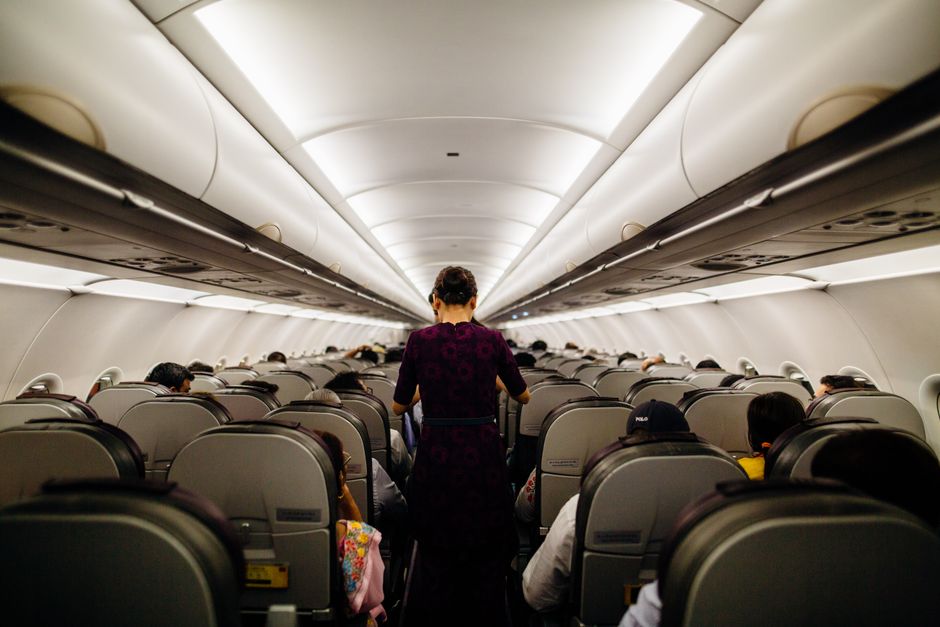
Virgin Australia flight attendants are calling for the reinstatement of dedicated cleaning crews between flights, with union representatives warning that cabin conditions have become so poor staff are effectively performing deep cleans that go well beyond their core responsibilities — all while working shifts of up to 14 hours without adequate rest.
The Flight Attendants' Association of Australia (FAAA) is pushing the airline to restore professional cleaners to the turnaround process, saying the burden currently placed on cabin crew is unsustainable and threatens both hygiene standards and the wellbeing of staff.
Hazmat Conditions and a Mountains of Mess
FAAA industrial relations manager Steven Reed said the state of some aircraft arriving between flights had reached alarming levels. "It used to be 'tidy the cabin, fluff the cushions, make sure there's nothing in the seat pockets, and cross the seatbelts, ready for the next passengers coming on'," Reed said. "Now some of the state of the aircraft is such that they almost need a hazmat suit to clean it up."
One Virgin crew member, speaking anonymously, pointed to the airline's limited onboard catering as a contributing factor. "The insufficient catering offer onboard leads passengers to bring their own food onboard," the crew member said. "From chips to lollies and mushed-up fruit in the carpets, the amount of cleaning is increasing."
Adding to the problem, a number of Virgin flights to popular overseas destinations including Bali and Fiji have been marked by rowdy passenger behaviour, leaving cabins in significant disarray and placing additional strain on staff.
Compounding the issue is the sequence of duties required of crew: after completing a deep clean of the aircraft, the same flight attendants are then expected to serve food to passengers on the next flight — a back-to-back workload the FAAA says has gone well beyond what is reasonable.
Exhausted Crew Push for Pay Rises and Shorter Shifts
Reed said flight attendants were "just exhausted from doing 10-, 12-, 14-hour days." The union is seeking pay increases for Virgin crew and wants maximum shift lengths reduced back to nine hours and 45 minutes — the standard that was in place before the COVID-19 pandemic — down from the current elevated limit of 10 hours.
The FAAA acknowledged that the nature of aviation sometimes requires crew to work "longer and harder" days, but argued that if that is expected, staff need both better remuneration and greater control over which shifts they take on.
"It's gone beyond what was entitled, and obviously the FAAA on behalf of its members is pushing really hard to get cabin cleaners back on the aircraft between flights," Reed said.
Award-Winning Airline Faces Mounting Pressure
The tensions come despite Virgin Australia's strong public reputation for service quality. In March, the airline's cabin crew took home the World's Best Airlines Award for the eighth consecutive year at the AirlineRatings.com World's Best Airlines Awards 2026 — a recognition that makes the union's concerns all the more pointed, given it is precisely these staff who are bearing the brunt of deteriorating working conditions.
The airline is also currently taking delivery of new Boeing 737-8 aircraft this year, signalling ongoing investment in its fleet.
Separately, Virgin Australia has attracted criticism alongside Qantas over airfare pricing ahead of the AFL grand final. Virgin was charging $1,728 for a Brisbane-to-Melbourne flight — nearly triple the price of the same route just two weeks later — while Qantas' cheapest equivalent return fare sat at $1,658. In response to demand, Virgin announced it would add close to 4,000 extra seats on the Perth–Melbourne route and around 1,000 additional seats on the Brisbane–Melbourne route to accommodate supporters travelling to the grand final.
As negotiations continue, the FAAA remains firm: without dedicated cleaning staff returning to turnarounds, the health of crew and the standard of the cabin experience for passengers are both at risk.