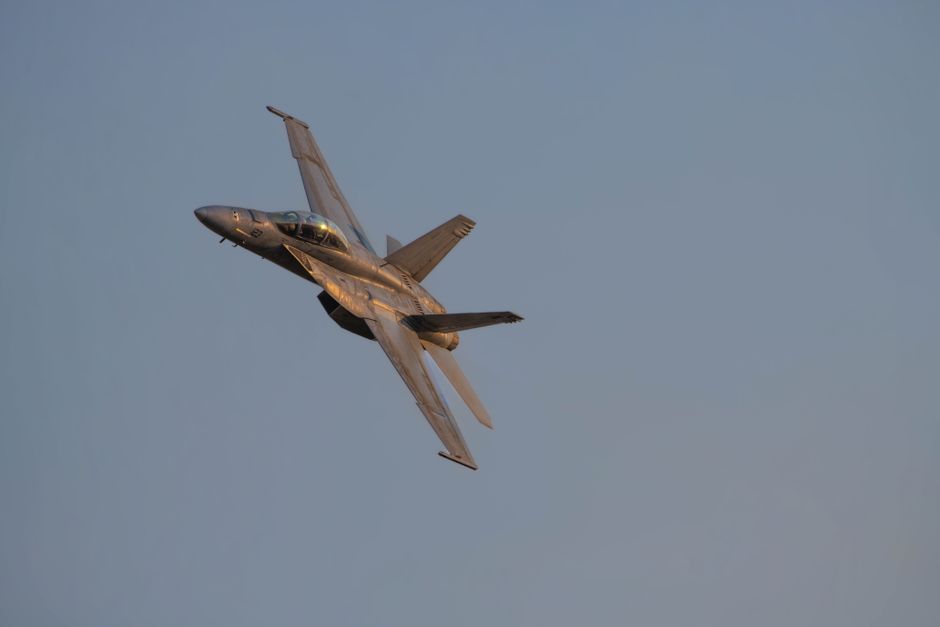
The United States has carried out defensive strikes on Iranian targets in the Strait of Hormuz, a US official confirmed late Monday, just hours before American voters head to the polls in what are shaping up to be the most consequential midterm elections in a generation. Iranian state television reported that explosions were heard on Qeshm Island, an Iranian island located within the strait, as the strikes unfolded.
The official, who spoke on condition of anonymity because they were not authorised to comment publicly, said the targets were "Iranians using surface-to-air missiles against US assets". The strikes were described as limited in scope rather than a return to full-scale hostilities, a distinction that carries significant weight given the volatile state of relations between Washington and Tehran. For context on how the conflict has developed, see the Timeline of the 2026 Iran war.
The timing is striking. President Donald Trump had previously stated publicly that the US would not launch strikes on Iran ahead of Tuesday's midterms, making Monday night's action an unexpected development that is likely to reverberate through polling stations across the country.
A limited strike, but a loaded moment
The last confirmed US attacks on Iran were carried out in early September, though thousands of American troops have remained deployed in the waters off Iran since then, maintaining a naval blockade intended to prevent Iranian oil from reaching global markets. A third aircraft carrier and further troop reinforcements are currently en route to the Middle East, underscoring the sustained military posture Washington has adopted.
Despite Monday's strikes, diplomatic channels have not closed. Qatari mediators held two rounds of talks with Iranian officials last week, and further negotiations are understood to be planned for this week. The framework under discussion would see Iran cease its attacks in the Strait of Hormuz in exchange for the United States lifting its blockade on Iranian ports, according to two regional officials who spoke anonymously on the basis that they were discussing classified briefings.
Vice President JD Vance also sent a letter last week to Iran's security chief, Mohsen Rezaei, though the White House has provided little detail about its contents. Trump described the letter as relating to "medical supplies and various things".
Vance strikes cautiously optimistic tone
Earlier on Monday, Vance offered measured confidence that a negotiated resolution remains within reach, telling reporters he had spoken with Trump about the matter roughly an hour before addressing the media.
"We've had a number of good conversations with the Iranians," Vance said. "The president and I both feel pretty good about the prospects for potentially coming to a negotiated settlement. We're going to keep on working at it."
His comments came against a backdrop of significant regional pressure. Israel's Prime Minister Benjamin Netanyahu is understood to be pushing for a fresh wave of strikes on Iran following Tuesday's US elections. Two regional officials said Netanyahu has been working with senior figures in the Trump administration to lobby for a swift but extensive air campaign, though it is not clear that Trump is persuaded. Netanyahu's motivation may partly be domestic: a return to full-scale conflict could assist him in forming an emergency government after he and his far-right coalition partners lost their parliamentary majority in last week's Israeli elections.
The war as an election-day liability for Republicans
The Iran conflict has become a defining vulnerability for the Republican Party heading into Tuesday's vote. The war has been broadly unpopular with the American public, and its knock-on effects, including elevated fuel prices and broader economic disruption, have weighed heavily on voter sentiment.
Polling suggests more than two-thirds of Americans believe the country is heading in the wrong direction, with cost of living, immigration, trade and the Iran war among the top concerns cited by voters. Republicans are fighting to retain control of both chambers of Congress, but history is not on their side: the president's party has almost always shed seats at the midterm mark, losing an average of 27 House seats across modern history.
All 435 House seats and a third of the 100 Senate seats are up for grabs on Tuesday. A net shift of just four seats in either chamber could change the balance of power and significantly constrain what Trump is able to achieve in the remaining two years of his term. For a fuller analysis of what is at stake for the administration, see our earlier reporting on what Trump stands to lose in the 2026 US midterm elections.
Voting in the US gets underway on Tuesday 3 November, with early results expected to emerge as polls close across different states through Tuesday night and into Wednesday morning Australian time. In close races, final tallies may take several days to confirm.
Whether Monday's strikes harden or soften voter attitudes toward the administration, and toward the war itself, remains to be seen. What is clear is that the conflict in the Strait of Hormuz has now, quite literally, entered election eve.

