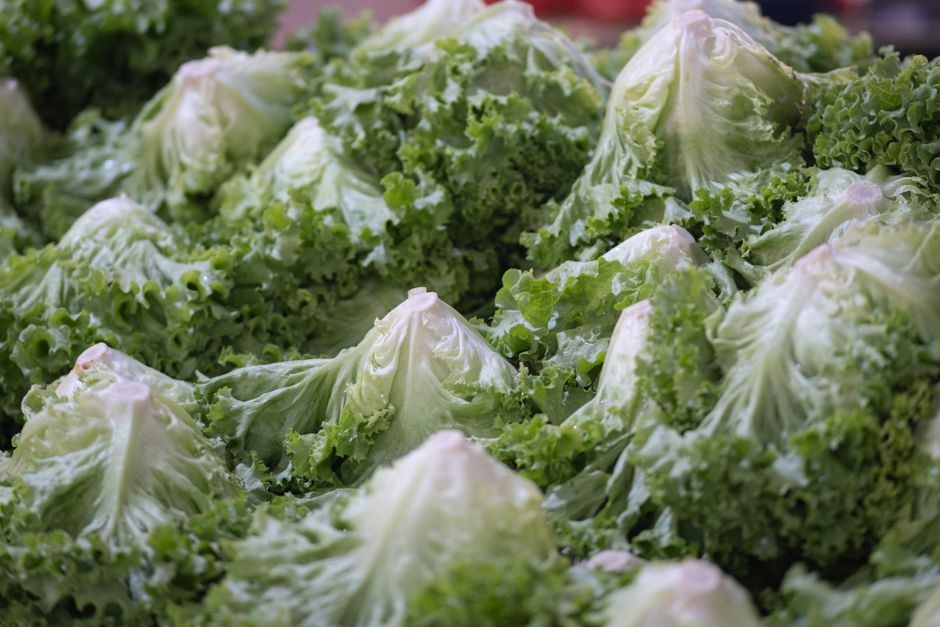
A rapidly expanding Cyclosporiasis outbreak in the United States — traced to shredded iceberg lettuce — has now reached six additional states, with authorities confirming more than 22,000 cases, 517 hospitalisations and two deaths as of early August 2026.
The outbreak, caused by a microscopic parasite associated with human faecal contamination, has been under investigation since early May. The Centers for Disease Control and Prevention confirmed the latest case toll, with the Missouri Department of Health and Senior Services alone recording 1,095 cases as of Sunday — one of the most significant single-state surges reported during the crisis.
Which States Are Now Affected?
The six newly linked states — Arkansas, Iowa, Missouri, Nebraska, New Hampshire and North Carolina — have joined an already substantial list of affected regions including Illinois, Indiana, Kansas, Kentucky, Michigan, Ohio, Oklahoma, Pennsylvania and West Virginia.
However, health experts caution that the expansion of confirmed cases into new states does not necessarily mean the outbreak is still actively spreading. A former acting Food and Drug Administration commissioner explained that many of the newly reported cases likely involve people who consumed the recalled lettuce weeks ago but were only recently diagnosed and reported to state health authorities.
"With an incubation period up to two weeks, there should no longer be people newly getting sick from that product," the official said. "But it takes a while for people to seek health care after onset, get tested and diagnosed, reported to state health departments and then to CDC."
Taylor Farms Lettuce and the Taco Bell Connection
The majority of cases have been traced to shredded iceberg lettuce served at Taco Bell restaurants, supplied by produce giant Taylor Farms and sourced from central Mexico. Last month, the company issued a voluntary recall of all iceberg lettuce from that region, which had been distributed to restaurants and retail outlets across 27 states.
The US Food and Drug Administration has not identified any additional potential sources beyond Taylor Farms at this stage. Recalled product use-by dates ended on 3 August, meaning the affected lettuce should no longer be in circulation. If any new cases emerge in people exposed after that date, investigators say they would need to look for a separate contamination source.
"We may have solved the Taylor Farms shredded lettuce piece, but that's unlikely to explain everything we're seeing," the former FDA official said, likening the investigative process to assembling a jigsaw puzzle — the longer authorities work on it, the clearer the full picture becomes.
Two Deaths Confirmed in Michigan
Health officials in Michigan — the state recording the highest number of cyclosporiasis cases nationally — confirmed on Monday the first two deaths linked to the outbreak. Both individuals had pre-existing health conditions that are understood to have been exacerbated by the illness and complications from dehydration.
Cyclosporiasis typically presents with watery and sometimes explosive diarrhoea, and can cause prolonged illness particularly in those with underlying conditions or compromised immune systems. While many cases resolve with treatment, the severity of this outbreak — spanning multiple states and a large volume of the food supply chain — has placed significant pressure on health departments across the country.
What Investigators Are Watching Next
Authorities say the critical question now is when patients in the newly added states first became ill. If exposure dates align with periods when the recalled Taylor Farms lettuce was in distribution, those cases will likely be counted within the existing outbreak cluster. Cases falling outside that window may point to a separate or ongoing contamination source yet to be identified.
The FDA investigation remains active, and health officials are urging anyone who develops symptoms consistent with cyclosporiasis — including persistent diarrhoea, fatigue, loss of appetite and nausea — to seek medical attention and inform their doctor of any recent restaurant meals or packaged salad consumption.