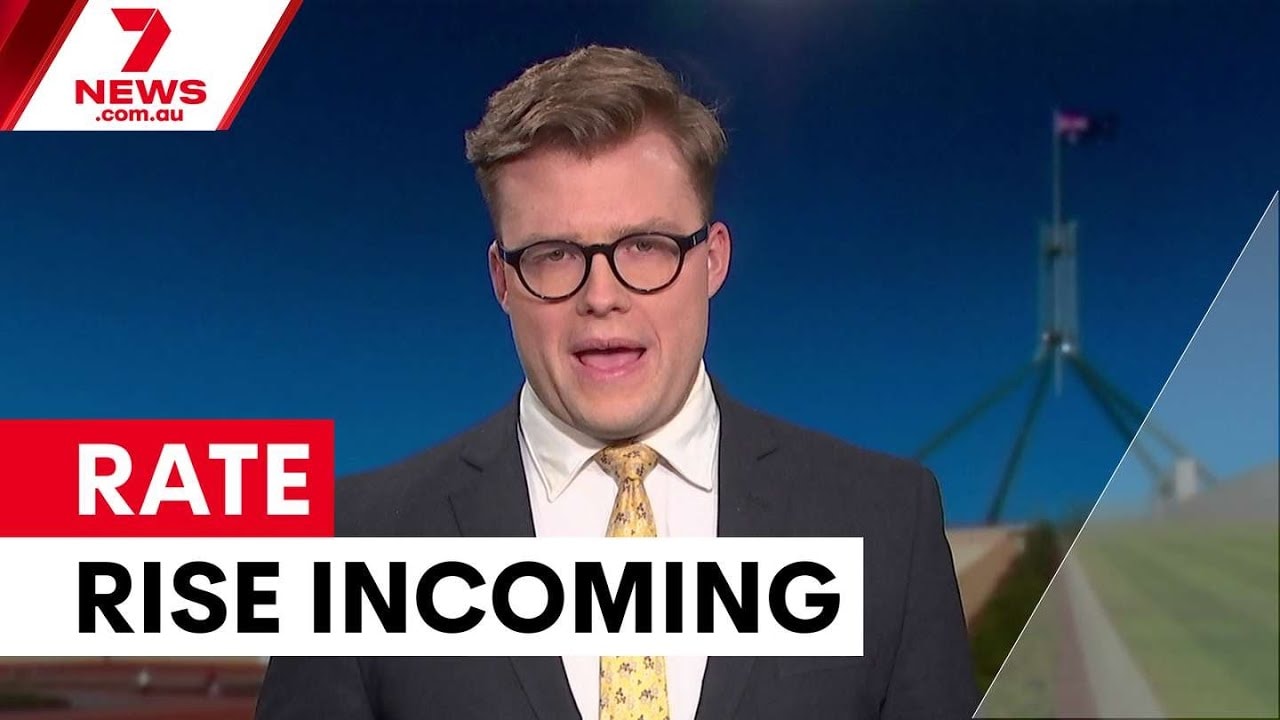
Prime Minister Anthony Albanese has pushed back against criticism of his government's proposed social media algorithm legislation after the Trump administration warned the policy amounted to "extraterritorial censorship of protected speech" — firing the latest salvo in a growing international debate over how democracies should regulate digital platforms.
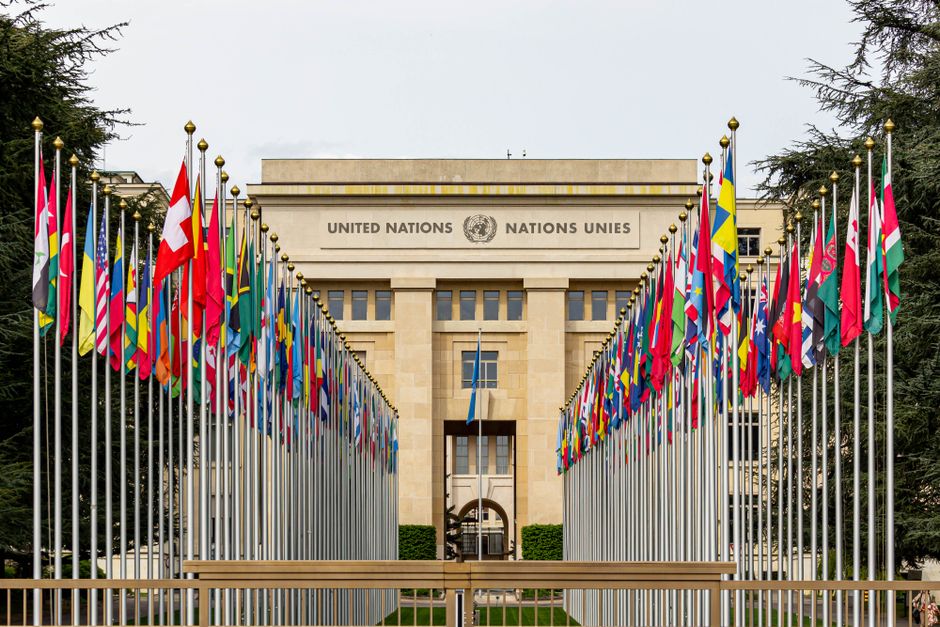
The rebuke from Washington came as Albanese was in New York for the United Nations General Assembly, where he also held his first face-to-face meeting with new British Prime Minister Andy Burnham and called on world leaders to coordinate globally on the risks posed by artificial intelligence.
Albanese defends algorithm reforms against US censorship claims
The algorithm opt-out proposal forms part of the government's digital duty of care bill, which would compel social media platforms to identify, mitigate and respond to harms caused by their services. Under the plan, users would have the right to opt out of algorithmically curated content feeds.
The measure has drawn fire from the political opposition and social media companies, and late on Tuesday the Trump administration escalated that pressure by characterising the legislation as a form of censorship that would reach beyond Australia's borders.
Speaking at a Coalition for Children's Rights and Protection in the Age of AI event on the UN sidelines — which Australia co-hosted — Albanese directly addressed the backlash.
"The criticism of this legislation is not surprising, that it is about government control," he said. "It is the opposite of that. It's about giving everyone control over their own lives."
The Prime Minister argued the legislation was necessary not only to protect children but to address broader societal harms, pointing to the spread of misinformation, disinformation and accelerating political polarisation. "People are moving away from the centre and more and more to the extremes, be they of the left or the right," he said, describing the bill as "a very positive move".
For more on how Albanese's policy agenda is evolving, see our earlier coverage of Albanese changes that loom despite earlier election promises.
AI cooperation takes centre stage at the UN
In a broader address to world leaders, Albanese warned that no single nation could manage the risks of artificial intelligence on its own, calling for international cooperation to confront threats ranging from child exploitation to biological weapons development and rogue AI incidents.
"The idea, as some have argued, that AI will create perfection is something that I think is very misdirected," he told the gathering, arguing that AI could "bring great good" only if "humans are in control of it."
He pointed to Australia's social media age ban as a model worth considering, noting more than 20 countries were examining similar laws. Albanese's push for a coordinated global approach to AI governance mirrors his domestic agenda — for background on related national initiatives, see Albanese urging states to back the national AI and data centre plan.
Rugby league diplomacy as Albanese meets UK's Burnham
On a lighter note, Albanese's first official meeting with Andy Burnham — who became British Prime Minister in July — quickly took a sporting turn. Albanese declared that Burnham had agreed to become a South Sydney Rabbitohs supporter, only for Burnham to reveal there was a condition attached: Albanese would need to become a fan of British Super League club the Leigh Leopards in return.
Burnham confirmed he had already declared his Rabbitohs allegiance publicly, but held firm on the reciprocal arrangement — alongside his existing support for Premier League club Everton. Albanese was not immediately willing to commit, noting that his friendship with former Rabbitohs star Sam Burgess, now head coach of the Warrington Wolves, could make the deal "problematic".
Beyond the banter, the pair discussed the AUKUS security partnership, which Albanese described as central to ties between the two countries. Burnham also praised Australia's teen social media ban, indicating the UK would pursue its own approach to reducing adolescent screen time.
Macron rebukes Trump on Gaza; Swans players set to return; Bragg floats super-housing plan
Elsewhere on a busy day of international and domestic news:
- Gaza peace claims disputed: French President Emmanuel Macron used what is expected to be his final address to the UN General Assembly before leaving office to flatly contradict Donald Trump's portrayal of his Gaza initiative as a diplomatic success. Macron said not a single humanitarian corridor had been reopened in the enclave, telling the assembly the world was "witnessing a spectacle that should shame everyone" — speaking hours after Trump had hailed his plan as a triumph from the same podium.
- Swans five to return: Sydney Swans coach Dean Cox confirmed the club's five suspended players — Isaac Heeney, Chad Warner, Nick Blakey, Riley Bice and James Jordon — are expected to return to the club's Moore Park headquarters on Wednesday. The players were stood down after a late-night incident at a Melbourne hotel following the club's round 24 win over Essendon. They face exit meetings with the club before the season is officially closed, with a police investigation still ongoing. The Swans were eliminated from the 2026 finals series last week by Fremantle, who meet Brisbane in this weekend's grand final.
- Bragg's super-housing proposal: Opposition housing spokesman Andrew Bragg floated a plan to allow superannuation to be used as collateral for a home loan, framing it as an effort to better align Australia's retirement and housing systems. The proposal was quickly distanced from by Opposition Leader Angus Taylor, who said it did not represent Coalition policy and that a formal position would be released in due course.