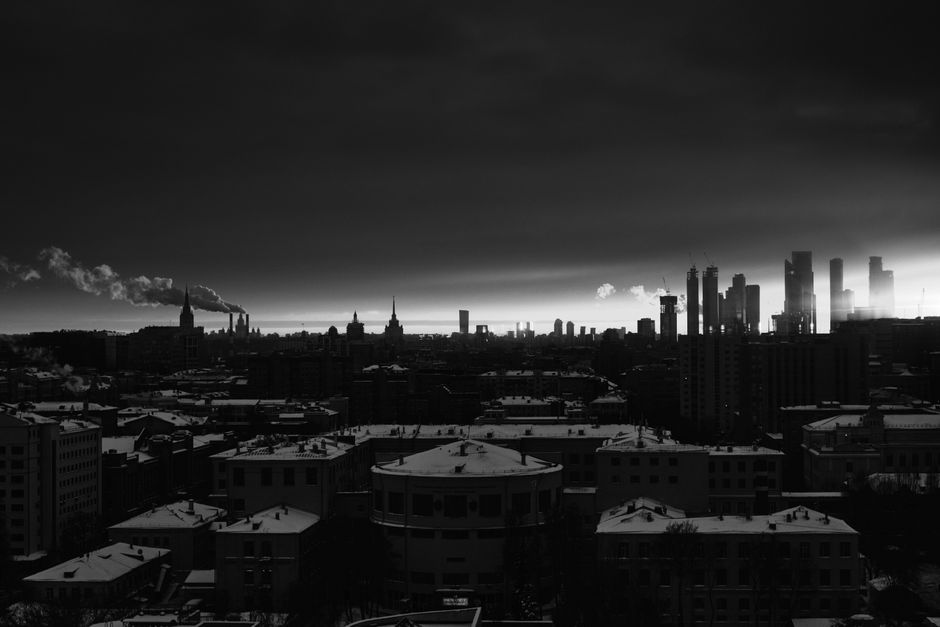
Ukraine launched what Moscow's mayor described as the largest ever drone attack on the Russian capital on Sunday, firing more than 1,000 drones — including hundreds directed at Moscow — on the final day of Russia's wartime parliamentary elections. The strikes killed two people and wounded 20 others across the wider Moscow region, while damaging an oil refinery and a residential building.
Casualties and damage from the Moscow drone attack
The regional governor confirmed the two fatalities as a 74-year-old man and a 44-year-old woman, with a further 20 people injured across the Moscow region. Moscow's mayor confirmed damage to an oil refinery — one of several facilities supplying the capital — as well as a residential building struck during the assault.
Ukrainian President Volodymyr Zelenskyy said the attack deployed a range of weapons, including domestically produced Flamingo and Pelican missiles alongside drones, targeting oil and logistics infrastructure. "These are billions of dollars that sustain the war machine," Zelenskyy said, framing the strikes as deliberate economic pressure on Russia.
Ukraine's drone capability and strategic goals
Since Russia's full-scale invasion began more than four years ago, Ukraine has emerged as a global leader in military drone technology, developing long-range domestically produced drones capable of striking deep inside Russian territory. That capability has drawn significant interest from governments and defence manufacturers internationally.
Ukraine's broader strategy is to make ordinary Russians feel the real-world consequences of the war and to pressure President Vladimir Putin into peace negotiations. Putin, however, has shown no indication he intends to bring the conflict to an end. As fighting along the roughly 1,250-kilometre front line in eastern and southern Ukraine has slowed — partly due to the saturation of drones and ground robots making troop movements increasingly hazardous — both sides have intensified long-range aerial exchanges. For more background on the conflict's trajectory, see the Russo-Ukrainian war (2022–present).
Russian strikes on Ukraine continued alongside the drone assault
While Ukraine pressed its offensive, Russian attacks on Ukrainian territory also continued. A Russian drone strike on a monastery in Ukraine's Kherson region on Saturday killed a member of the clergy and wounded four others, according to Zelenskyy. Separately, a Russian attack on the Ukrainian capital on Saturday evening killed two children and their mother, with a third child dying in hospital the following day, according to the head of the Kyiv regional state administration.
Those attacks are part of an ongoing pattern of strikes on civilian infrastructure and populated areas. Earlier reporting on Russia's massive missile and drone attacks on Kyiv has documented the scale of these assaults on the Ukrainian capital.
Attack coincides with Russia's wartime parliamentary election
The timing of Sunday's drone barrage was significant: it fell on the final day of Russia's first parliamentary elections held during wartime — a vote widely seen as a formality, virtually free of meaningful opposition to Kremlin policy and almost certain to consolidate Putin's political dominance. Russia controversially held the ballot not only within its own borders but also in the four Ukrainian regions it illegally annexed following the invasion, as well as in Crimea, which Moscow illegally seized in 2014. Ukraine and the international community have condemned these actions as unlawful.
The election was not entirely untouched by the conflict: in a Russian-occupied part of the Kherson region, a Ukrainian strike killed a member of a local electoral committee, according to Russia's Central Election Commission.