Two Australians who were unaccounted for following the catastrophic Nepal-Tibet flash floods have been confirmed safe, bringing the number of Australians still missing down to 36. The development offers a measure of relief even as Australian disaster response teams begin arriving in Kathmandu and the full scale of the destruction comes into sharper focus.
The two individuals had been unreachable in the aftermath of the disaster but have since made contact and do not require consular assistance. Treasurer Jim Chalmers welcomed the news, describing it as a "huge relief" for their families, while stressing the government remained deeply worried about those yet to be located.
"Good news that two Australians have been located overnight. We are concerned for the 36 who are still unaccounted for," Chalmers said, adding that Australia was "sending some of its best people" to support search-and-rescue efforts on the ground.
The floods, which struck in 2026 after a collapse high in the Himalayas sent a massive surge of water and mud tearing down through river valleys, have been among the deadliest natural disasters to strike the region in recent memory. Nepali authorities have recorded 1,259 confirmed deaths and more than 5,083 people missing, including 583 foreign nationals. China's government has separately reported 21 deaths and 541 people missing on its side of the border.
Australia Scales Up Response With Teams and Funding
Australia has moved quickly to escalate its presence in Nepal. 19 officials and disaster response specialists have already been deployed, with a further 23 expected to follow in the coming days.
A 15-person Australian Disaster Assistance Response Team is due to arrive in Kathmandu on Friday, while Australian Federal Police disaster victim identification specialists are expected to land over the weekend. The AFP has also assigned a family investigative liaison officer specifically to support the families of Australians who remain unaccounted for — a role that includes assisting with identification requirements such as DNA collection from family members.
The Australian government has committed $11 million to support disaster response and recovery efforts in the region.
The deployment follows earlier reporting that tracked the rising number of Australians reported missing as the disaster unfolded, with figures fluctuating in the days immediately after the floods struck.
Thick Mud and Isolation Hamper Search Efforts
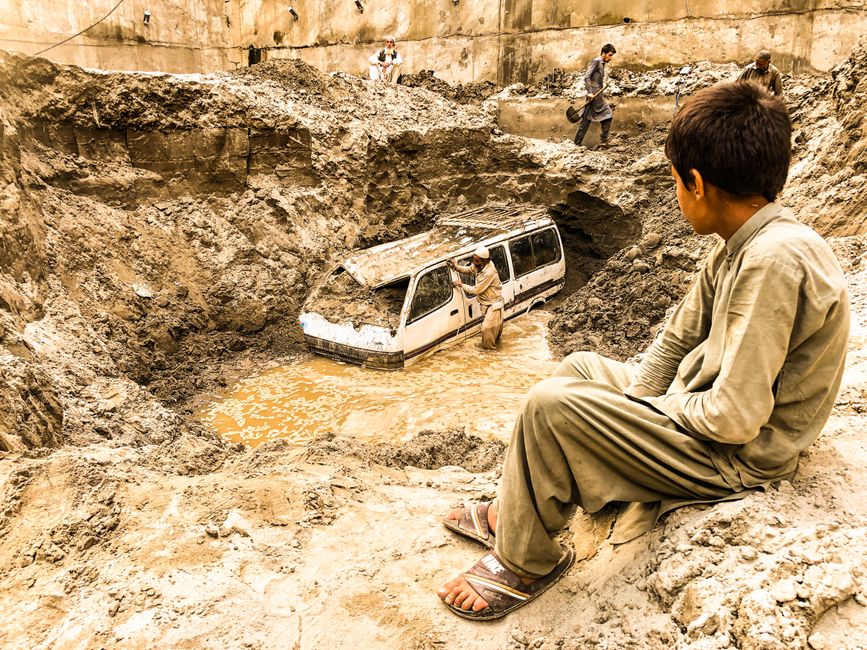
On the ground in Nepal, rescue and recovery operations face extraordinary challenges. The flood unleashed not just water but an overwhelming volume of thick grey mud that has buried homes, roads and entire villages — and in many cases continues to make them physically unreachable.
In some affected areas, rescue workers and journalists alike have found themselves sinking ankle-deep — and in places, knee or waist-deep — with every wrong step. Locals have warned that patches of seemingly stable ground can give way without warning, a danger that was terrifying enough to contemplate but catastrophic for anyone caught in the original surge.
In some villages, the scene days after the flood remained strangely quiet. Rather than large organised rescue operations, witnesses described isolated individuals attempting to shovel mud from doorways or salvage what little remained of their belongings. In at least one instance, drone technology was used to search inside homes that rescuers still could not physically reach on foot — locals standing by, watching screens, hoping for any sign that family members had managed to escape.
In the area around Betrawati, military helicopters have been surveying locations for temporary bridges — a seemingly unglamorous priority, but one that is critical. Without such crossings, rescuers, food and emergency supplies can only reach many communities by air.
Scale of Destruction Becomes Clearer
The physical destruction left behind is staggering. Nepal's disaster response authority has released preliminary estimates suggesting 7,500 houses have been completely destroyed — either washed away entirely or buried under debris and mud. That figure, however, may tell only part of the story: authorities say that even homes still standing are not habitable, putting the total number of dwellings needing to be rebuilt in safer locations at approximately 20,000.
The chief of Nepal's disaster response authority said preliminary assessments point to the enormous scale of relocation and reconstruction that lies ahead, with entire communities needing to be moved away from flood-prone valleys.
As Australian families await news of loved ones still unaccounted for, authorities have urged patience while warning the difficult terrain and ongoing mud conditions mean the search is likely to remain slow and painstaking. The AFP liaison officer assigned to support families will continue assisting with identification procedures as recovery efforts continue.
For earlier coverage of the disaster as it developed, see our reporting on the initial death toll and the 38 Australians then listed among the missing.