US President Donald Trump has stood down from a major planned military strike against Iran and announced fresh negotiations will begin, with talks set to cover the reopening of the Strait of Hormuz and the denuclearisation of Iran — the two central sticking points in a conflict now entering its sixth month.
Speaking to reporters aboard Air Force One on Sunday as he returned to Washington from a weekend in New Jersey, Trump said the negotiations would begin on Monday afternoon, though he declined to reveal the venue or the participants. "Now what we're doing is we're talking to them in the form of a negotiation. It begins tomorrow afternoon," he told reporters.
The announcement comes after Trump had threatened to hit Iran "very hard" and was understood to have been weighing attacks on energy infrastructure, with US embassies across the region placed on heightened alert. By Saturday, however, he had pulled back from that position, saying the "perimeters" of a deal were in place.
Gulf partners and Iran urged Trump to hold off
Trump said he had been asked by both Iran and key US partners — Saudi Arabia, the United Arab Emirates and Qatar — to hold off on the strikes, which he claimed would have been "the biggest attack since World War II". Iranian state media, however, denied that Iranian officials had made any such request.
On his Truth Social platform over the weekend, Trump posted that Iran and other Middle Eastern countries had sought time to complete a deal that would lead to the "Immediate, Complete and Total" reopening of the strait and "an end to Iran's nuclear threat". He warned, though, that Tehran must "rapidly make a DEAL".
When asked if there was a deadline for Iran to reach an agreement, Trump declined to specify one. "Would I rather make a deal? I'm not looking to kill people because people die, a lot of people die, and we don't want that," he said.
Hormuz remains the central flashpoint
The Strait of Hormuz — a critical chokepoint for global oil and gas supplies — has been at the heart of the diplomatic impasse throughout the conflict. Before the war began on 28 February, when US and Israeli forces launched surprise strikes against Iran, the strait offered free passage to all vessels. Iran subsequently closed it and has since insisted on retaining control and charging tolls, a position the US firmly rejects.
It was the dispute over Hormuz that triggered a return to strikes last month, after Tehran refused to allow ships to travel any route other than one that runs close to the Iranian coastline. Iran's closure of the strait sent oil prices and the cost of basic goods surging, with the economic fallout rippling well beyond the immediate conflict zone.
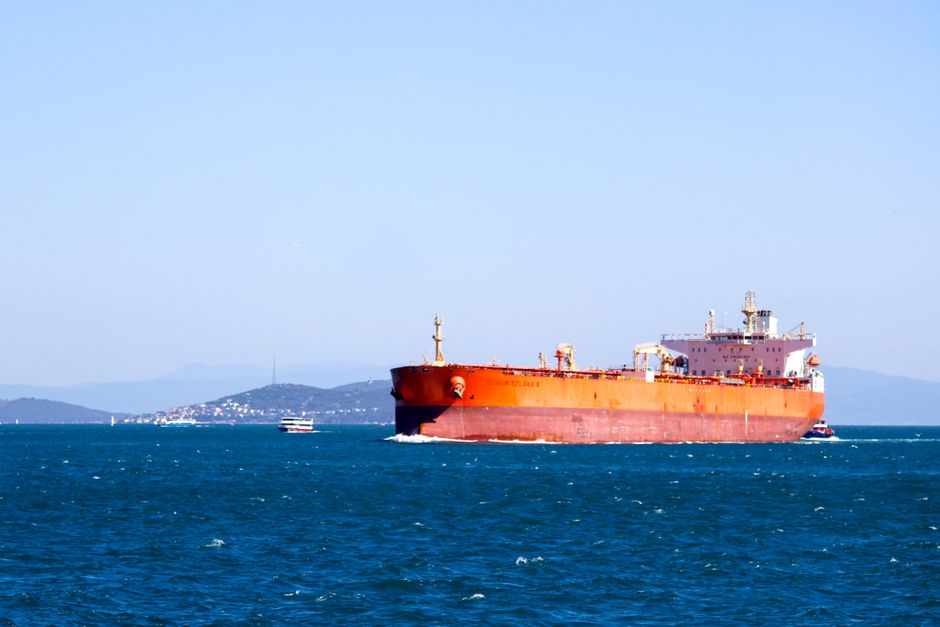
On Monday, a tanker reported an explosion near the strait, underlining the continued volatility of the waterway even as diplomatic efforts gathered pace. Iran's Foreign Minister Abbas Araghchi was cited by Iranian state media as saying that separate talks between Tehran and Oman over the strait were in their final stages.
Iranian parliamentary spokesman for the national security commission, Hassan Ghashghavi, confirmed on Sunday that mediators were working to revive the so-called Islamabad memorandum of understanding — an agreement reached in June that was not intended as a final peace deal but as a stepping stone toward comprehensive negotiations, with provisions relating to Hormuz included. "They know that the main issue and, in fact, the key to the matter right now is the issue of the Strait of Hormuz, so yes, there is an exchange of views," Ghashghavi said.
Iranian President Masoud Pezeshkian posted on X: "We must strive to compel the enemy to remain committed to what it has signed."
A familiar pattern of threats and pauses
Monday's announcement follows a well-established pattern in the conflict, with Trump repeatedly threatening large-scale military action before pulling back in response to diplomatic developments — only for fighting to resume days or even hours later. Previous ceasefire announcements have similarly unravelled, contributing to deep uncertainty in energy markets and among US partners in the region.
The conflict began on 28 February when US and Israeli forces struck Iran. A two-week ceasefire announced in the early weeks of fighting held until 8 May, when the US carried out strikes on Iranian tankers. Negotiations faltered again in late May, and a further bout of strikes followed. A June memorandum of understanding that outlined a path toward a permanent ceasefire and Hormuz reopening also broke down after Iran resumed attacks on commercial shipping in the strait, prompting fresh US strikes.
Trump has consistently framed the war as necessary to address Iran's nuclear program. Western governments accuse Tehran of pursuing nuclear weapons capability, a charge Iran rejects, insisting its program is entirely civilian in nature. Any final deal, Trump said, must include the immediate and complete opening of the Strait of Hormuz alongside an end to Iran's nuclear threat.
Whether Monday's fresh round of talks will prove more durable than previous attempts remains to be seen, with the conflict's history of rapid reversals casting a long shadow over the new diplomatic push.