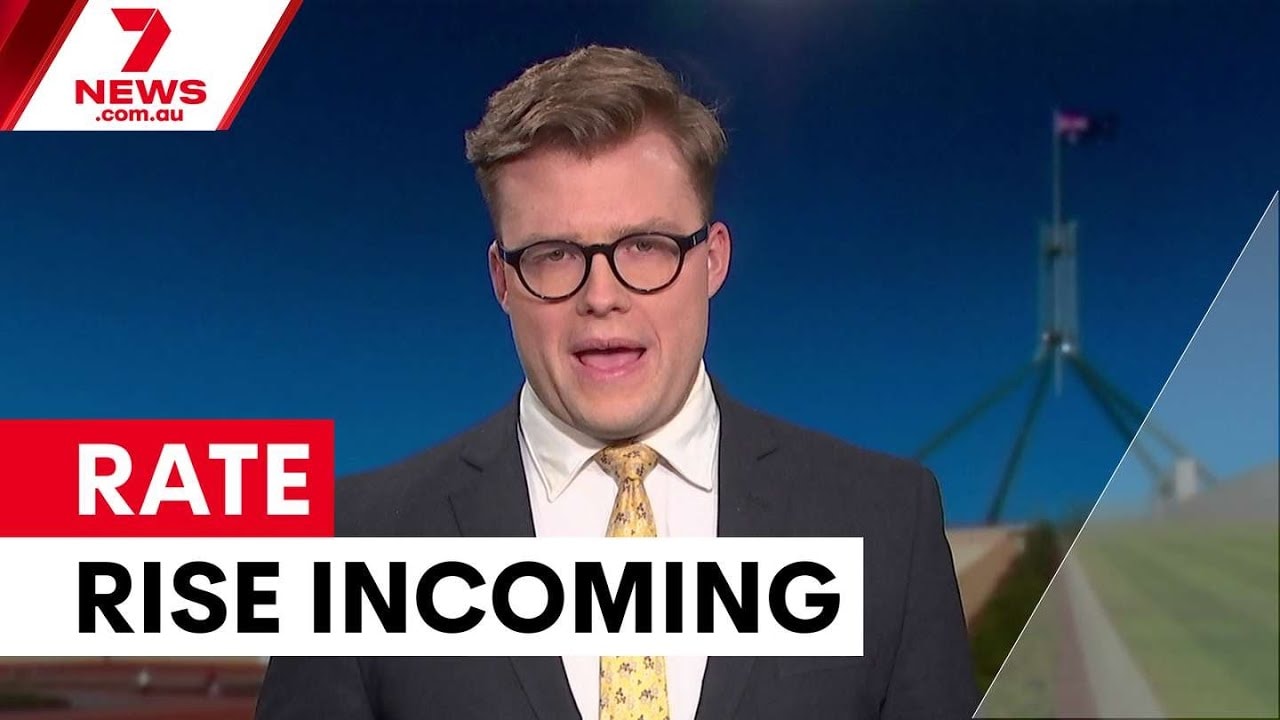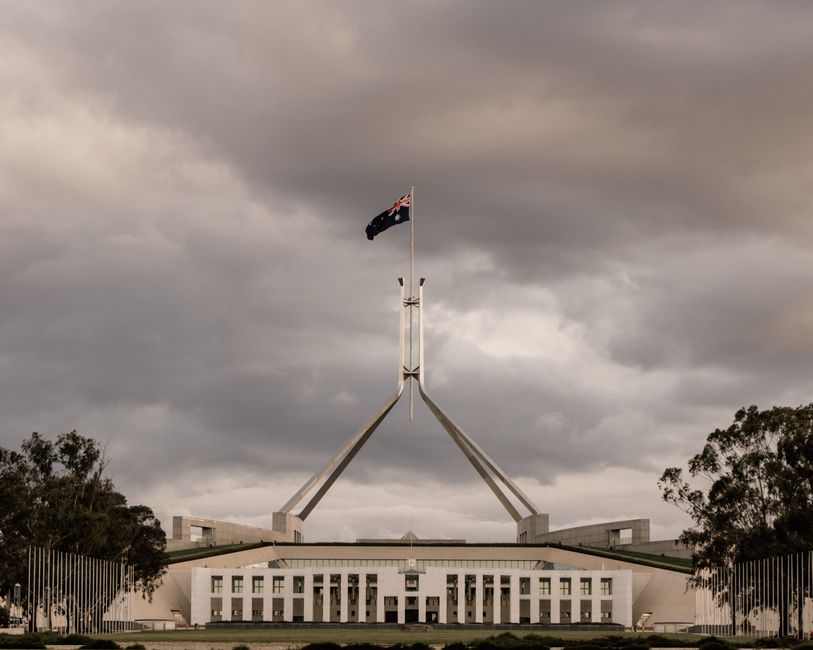
Home Affairs Minister Tony Burke has postponed a major National Press Club address in which he was expected to outline sweeping changes to Australia's migration system, triggering an immediate backlash from the Opposition and raising fresh questions about the federal government's direction on immigration policy.
Burke had been scheduled to speak on Thursday, with the address billed as a comprehensive overview of the migration system as a whole. A government spokesperson confirmed the speech was delayed because key elements could not be finalised in time, adding that officials were working with the Press Club to lock in a new date.
What was expected — and why it was pulled
The minister had been widely anticipated to announce measures tightening rules around working holiday visas and family visa applications, moves intended to reduce short-term migration and put a dent in net overseas migration figures. Australia has consistently exceeded its own migration targets, even as the government held the permanent migration cap steady at 185,000 for the 2025–26 financial year — unchanged from the previous year.
In late July, the Department of Home Affairs quietly published a directive from Burke on its website, instructing the department to prioritise migrants already living in Australia over skilled workers seeking to arrive from overseas — a signal that tougher settings were imminent.
It is understood that at a cabinet meeting on Monday, ministers raised concerns about how the proposed measures could be justified politically, given criticism coming from both the left and right of the debate. That internal tension appears to have contributed directly to the postponement. For more on the broader context shaping this debate, see our earlier analysis on Australia's migration debate and the overlooked factor of people not leaving.
'Chaos and confusion' — Opposition turns up the heat
Opposition home affairs spokesman Jonno Duniam did not hold back, describing the delay as symptomatic of a government that has lost its grip on one of the country's most politically charged portfolios.
"Labor has completely lost control of Australia's migration program and now it apparently cannot even agree internally on how to fix the dog's breakfast that it has created," Duniam told reporters.
He argued the government was only acting under mounting electoral and community pressure, rather than from any principled policy position. "Labor is clearly only thinking about acting now because the political pressure has become impossible to ignore," he said, accusing the delay of creating "chaos and confusion" for the Australian public.
Refugee advocates warn against scapegoating
The response from immigration and refugee advocates was markedly different in tone but no less pointed. Jana Favero, deputy chief executive of the Asylum Seeker Resource Centre, said she was concerned the postponement could give Labor room to pull back from any decisions that would further restrict migration pathways — particularly for refugees.
"Scapegoating migrants won't build a home, lower a grocery bill or help a family pay the rent," Favero said. "Australia deserves better than politicians looking for someone to blame instead of delivering real solutions."
The tension between tougher border management and humanitarian obligations has become one of the defining fault lines in Australian politics, with parties across the spectrum struggling to articulate coherent positions. The debate is also complicated by questions about whether proposed migration cuts can actually deliver the numbers politicians are promising.
Iranian footballers granted citizenship in a separate milestone
Amid the political turbulence, two Iranian women's footballers who captured international attention earlier this year were formally granted Australian citizenship on Wednesday.
Atefeh Ramezanisadeh and Fatemeh Pasandideh made headlines when they refused to sing Iran's national anthem during the Women's Asian Cup. When their teammates departed the tournament, the pair chose to remain in Australia on humanitarian visas, a decision that saw them branded traitors back home.
Months on, both women are now Australian citizens, closing a remarkable chapter that began with a moment of defiance on an international football stage.