Prime Minister Anthony Albanese and NSW Premier Chris Minns have jointly announced a $2.5 billion rescue package for Tomago Aluminium, Australia's largest aluminium smelter, locking in the future of more than 1000 direct jobs in the Hunter Region beyond 2028. The deal ends months of uncertainty over the plant's viability following warnings from mining and resources giant Rio Tinto that surging energy costs could force a closure when the smelter's current power agreement expires.
What the $2.5 Billion Tomago Aluminium Deal Covers
The rescue package brings together funding from both levels of government alongside a significant commitment from the smelter's majority owner, Rio Tinto. The NSW Government's contribution is capped at $1.225 billion, to be delivered over a decade beginning in 2029, while the federal government is co-investing alongside that figure as part of the joint $2.5 billion total.
Tomago Aluminium itself will invest at least $1.1 billion into the site. That includes $100 million specifically earmarked for decarbonisation activities at the plant, as well as a demand-response program designed to support the stability of New South Wales's energy grid.
The government said the investment will also underpin close to three gigawatts of new renewable electricity generation, accelerating the decarbonisation of the state's power system. Officials noted the deal is structured so that revenue returns to the federal government when aluminium prices are elevated.
Notably absent from Thursday's announcement was any reference to a power purchase agreement involving government-owned utility Snowy Hydro, which had previously been flagged as a possible element of the arrangement.
Why the Smelter Matters to Australia's Industrial Future
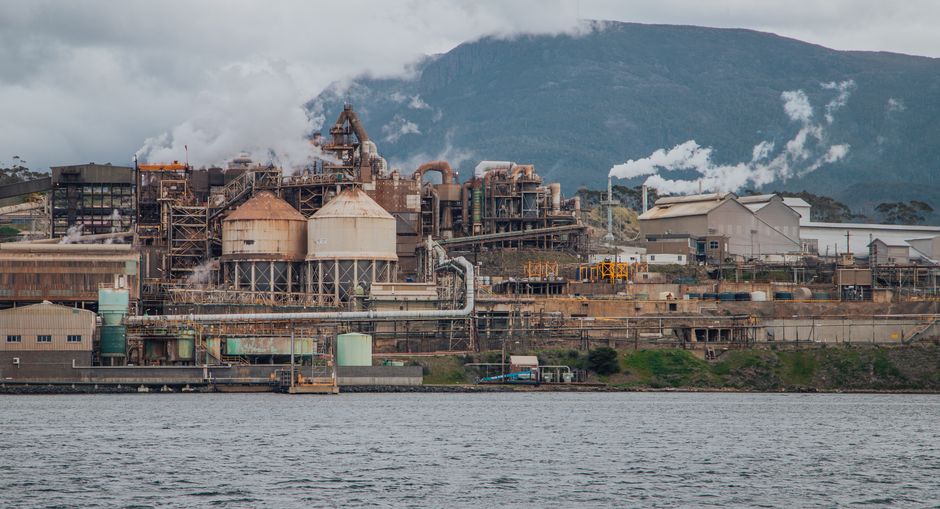
Opened in 1983 and running around the clock every day of the year, Tomago Aluminium produces approximately 590,000 tonnes of aluminium annually — making it Australia's largest and, according to the government, its youngest smelter. The plant's continuous operation comes at an enormous energy cost: it consumes roughly 10 per cent of all electricity used across New South Wales, and power accounts for more than 40 per cent of the smelter's total operating costs. That energy dependency was central to Rio Tinto's concerns about the site's long-term commercial viability.
Australia is one of only a small number of countries with a complete, end-to-end aluminium supply chain, and the government framed the deal as essential to preserving that position. Industry and Innovation Minister Tim Ayres said maintaining the full domestic industry was critical not just for jobs but for the broader economy.
"Keeping this capability here in Australia matters," Ayres said. "It makes our economy stronger, drives new electricity projects and maintains thousands of good quality blue collar and engineering jobs right here in the Hunter."
Leaders and Workers React
Albanese referenced a visit to the plant in December last year, during which he made a public commitment to workers that the government would support them. "Today, alongside the NSW Government, we deliver on that promise," he said. "This site isn't just important for Newcastle and the Hunter, it's a critical asset for the country and our manufacturing future."
Premier Minns said the agreement provided essential certainty for a region with deep industrial roots. "The Hunter has powered NSW and helped build this country for generations," he said. "This agreement is about making sure it remains an industrial and manufacturing powerhouse for generations to come."
The Electrical Trades Union said workers had spent months in a state of anxiety waiting for clarity. Union organiser Brad McDougall indicated the announcement had been long anticipated by employees on site, describing the period of uncertainty as very difficult for all involved.
With the deal now confirmed, Australia's biggest aluminium smelter has been saved, ensuring the Hunter Region retains one of its most significant industrial operations well into the next decade.