Todd Russell, one of two miners who survived the 2006 Beaconsfield Mine collapse after spending nearly two weeks trapped underground, has died aged 54. Russell passed away on Monday night at his home, surrounded by family and friends, following a battle with leukemia that had been diagnosed more than a year earlier. His son Trent confirmed the death on Tuesday morning.
"He fought an uphill battle, but like everything he did in life, his final moments were on his own terms," Trent Russell said. "Last night, in the comfort of his own home and surrounded by loved ones, Todd/Dad took his last breath after six days at home filled with family, friends, love and laughter."
Tasmanian Premier Jeremy Rockliff paid tribute, posting online: "Vale Todd Russell. Thoughts this morning are with Todd's loved ones and everyone who had the absolute pleasure of knowing him."
A Decision to Come Home
Russell had spent much of the previous year in hospital receiving treatment, but on November 3 he made the decision to leave and spend his remaining days at home. In a heartfelt social media post, he explained that years of pain, uncertainty and exhausting treatment cycles had left him with nothing more to give.
"After years of pain, uncertainty, appointments, treatments, setbacks and endless battles plus the emotional exhaustion of having to pick myself up time and time again, have left me with nothing left to give," he wrote. "The time has come medically and physically where there are no further options on either front for me and there is no more fight left in me."
His close friend and fellow Beaconsfield survivor Brant Webb said the decision was entirely in keeping with the man he had known. "If he's saying he's given everything, well, he's given everything, mate," Webb said.
The Disaster That Defined a Nation
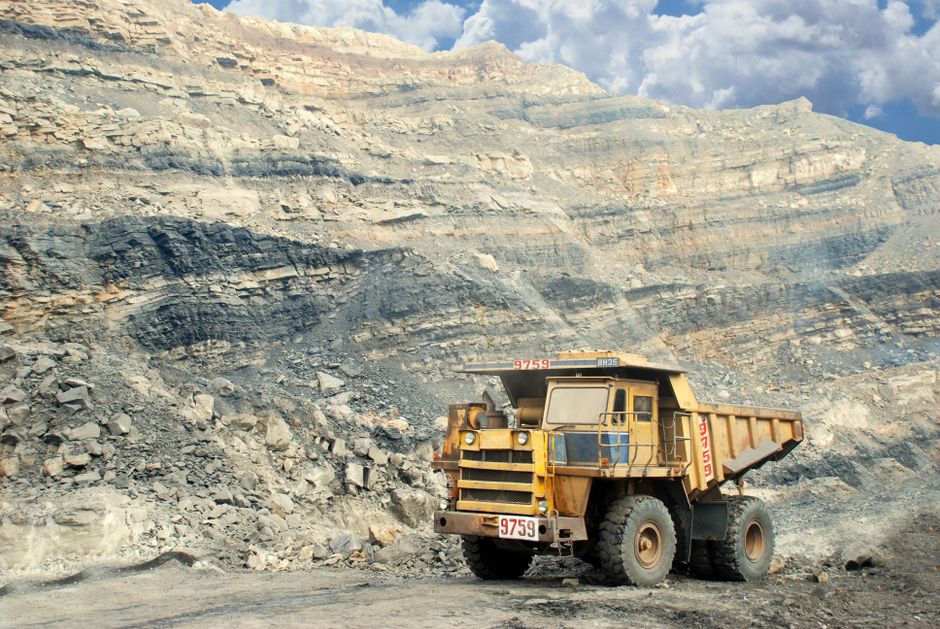
On Anzac Day, April 25, 2006, Russell and Webb were among 17 workers inside the Beaconsfield gold mine, located just north of Launceston in northern Tasmania, when a small earthquake triggered a devastating rockfall. A third miner, Larry Knight, 44, was killed in the collapse. The remaining 14 workers were able to escape, but Russell and Webb were initially presumed dead.
The two men were eventually found alive, trapped in the basket of the vehicle they had been operating, in a space roughly the size of a dinner table, nearly a kilometre underground. Russell later recalled that he was initially unable to move anything but his forearms and his head, with the rest of his body completely buried. Above them, thousands of precariously balanced rocks formed a makeshift ceiling that could have shifted at any moment.
"We had how many tonnes of rock suspended above us like a jigsaw puzzle and we only needed one rock to move for it to come crushing in, killing Brant and myself," Russell said in a 2024 podcast interview.
The pair survived for five days on a single muesli bar Webb had brought for his shift and groundwater seeping through the surrounding rock, before rescuers who had been blasting a new tunnel managed to make contact. Food, water, medical supplies and letters from their families were delivered through a borehole.
In one letter to his wife, Russell jokingly asked her to pick up Saturday's newspaper because he would be looking for a new job. He also asked whether the local paper had picked up the story, unaware that the small Tasmanian town had attracted an enormous global media presence.
After another week of painstaking work, the two men walked free just before 6am on May 9, fourteen nights after the collapse. Footage of Russell and Webb pumping their fists, switching their safety tags to "safe" and running to embrace their families was broadcast around the world and became one of the most enduring images of Australian resilience.
Fame, Hardship and Healing
The rescue thrust both men into an unwanted spotlight that Russell later described as deeply unsettling. "I hated it because you went to work as a normal person, and you come out of there with your identity lost," he said. "And people felt that they knew you because they'd been watching you for 14 days."
A book about the collapse was published within months. The following year, rock band the Foo Fighters released a song titled "Ballad of the Beaconsfield Miners" in tribute. A telemovie was later released to mark the sixth anniversary of the rescue.
Behind the public story, Russell struggled considerably with his mental health, a situation compounded by the loss of both his parents in the years after the disaster. He came close to losing his family and sought professional help to work through his experience, both underground and in its chaotic aftermath.
By 2024, he said he had been focused on rebuilding his relationships and had become a proud grandfather. Before entering mining in his late twenties, he had been a keen footballer and hunter, and those community roots remained important to him throughout his life.
Russell is survived by his son Trent and other family members who were by his side when he died.