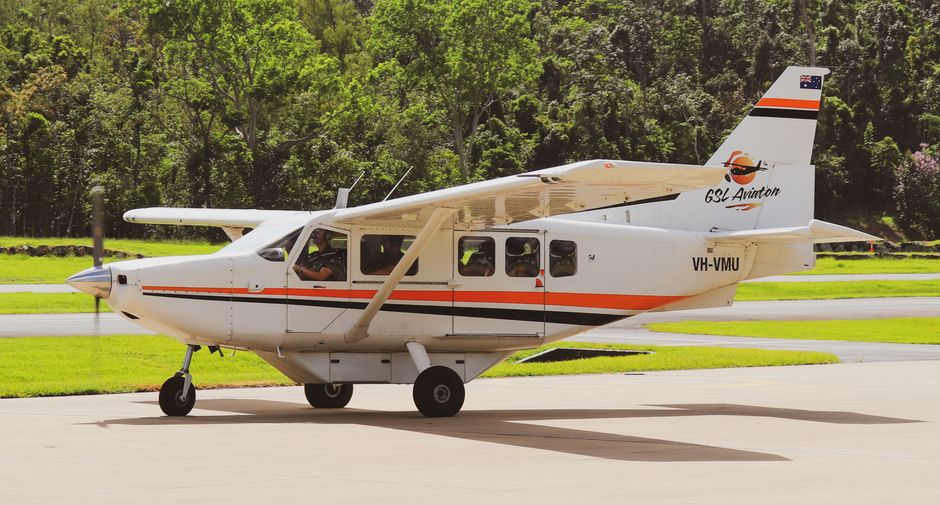
A short 15 to 20-minute flight in remote Australia can cost more than $500 one way, and new analysis confirms that passengers on regional and remote routes are paying significantly more per kilometre than travellers on city routes. For many communities with no road access, those fares are not a convenience, they are a lifeline, and an increasingly unaffordable one.
What the Numbers Show
Analysis of airline cost and revenue data, conducted by the Productivity Commission and covering the period between 2023 and 2025, found that regional and remote airfares were 11 per cent higher per customer and 13 per cent higher per kilometre than fares on routes connecting major cities. On shorter regional and remote routes, the fare per kilometre was more than double that of equivalent city routes.
The data also paints a picture of thin, fragile markets. Around half of all regional and remote routes carry fewer than 15,000 passengers a year, and on average, roughly 10 flights or fewer depart each week, often with at least a third of seats empty. Competition is minimal: 90 per cent of passengers on these routes travel with either the Qantas Group or Virgin Australia.
The Productivity Commission found that 91 per cent of regional airfares can be attributed to operating costs, leaving airlines a profit margin of just nine per cent. That narrow margin raises serious questions about the long-term viability of some routes.
Life on Elcho Island: When a Flight Is the Only Option
For communities in the far north of the Northern Territory, the cost of air travel is not an abstract policy concern. It shapes access to healthcare, family support, and even safety.
Anahita Tonkin, chief executive of the Yalu Aboriginal Corporation, is based on Galiwin'ku, also known as Elcho Island, in East Arnhem Land. The organisation works across a cluster of communities including Gapuwiyak, Milingimbi and Raminigining, where limited land access means supplies regularly arrive by barge or plane.
"A packet of Tim Tams for us is a very high luxury item and at times it's cost over $15," Tonkin said, illustrating how remote logistics inflate the price of everyday goods.
For medical travel, the costs are far more serious. Yalu typically budgets between $720 and $1,050 for a one-way flight from Galiwin'ku to Darwin, a distance of roughly 550 kilometres. A return ticket, Tonkin explained, can run to between $1,500 and $2,000, before accommodation and other expenses in the city are factored in.
"Unfortunately people then have to spend sometimes months out of the community due to health challenges, but people are unable to visit them while they're in hospital," she said. "They can't afford a $1,500 to $2,000 return ticket to Darwin."
The financial barrier also complicates responses to domestic violence, where the ability to quickly move someone to safety can depend on whether a charter flight is accessible and affordable. "It's not always as easy," Tonkin said.
She drew a stark comparison to mainland travel: "Traditionally, where somebody might be able to drive for two, three, four hours to get to another location, for us, it might be a 15-minute or 20-minute flight that will cost in excess of $500 or $600."
Viability Concerns Loom Over Remote Routes
The same high costs that burden passengers are also squeezing airlines. With thin load factors, limited competition, and operating costs consuming the vast majority of fare revenue, questions are mounting about whether some of these routes can survive commercially over the long term.
The situation echoes broader challenges facing regional infrastructure across Australia. As connectivity disruptions in regional areas have shown, when essential services are stretched thin outside major cities, entire communities can be left exposed.
For residents of remote Australia, the concern is not simply the price of a ticket. It is whether a flight will exist at all.

