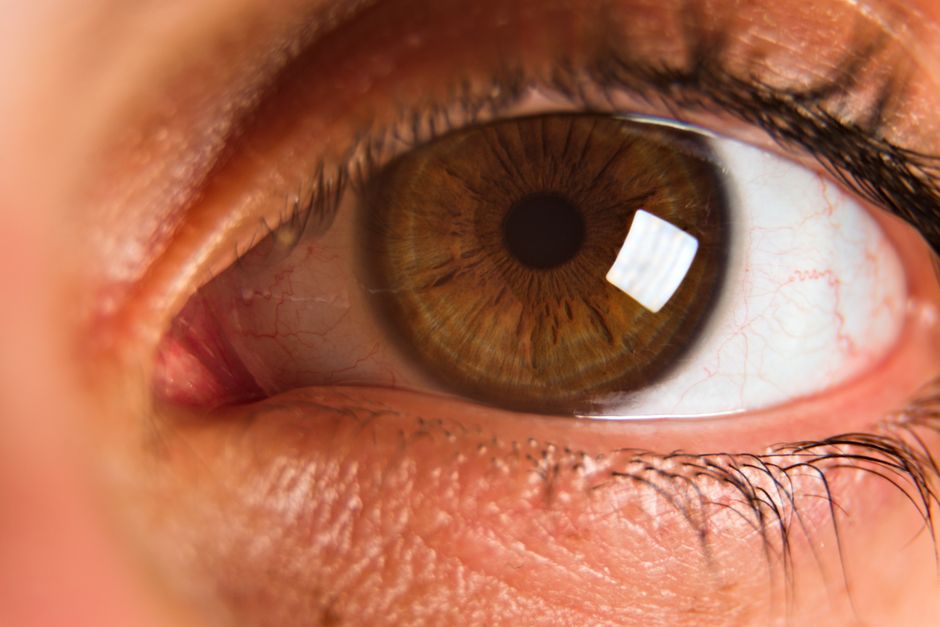
Australians using popular weight-loss and diabetes medications including Ozempic, Wegovy and Mounjaro are being urged to watch for sudden changes in their vision, after the Therapeutic Goods Administration (TGA) issued a formal safety warning linking the drugs to a rare eye disorder that can result in permanent blindness.
The TGA has identified a condition known as non-arteritic anterior ischaemic optic neuropathy (NAION) — a disruption of blood flow to the optic nerve that can trigger sudden and potentially irreversible vision loss — as a risk associated with the class of medicines known as GLP-1 receptor agonists (GLP-1 RAs).
What the TGA warning covers
The warning applies to a range of widely prescribed medicines used to manage type 2 diabetes and obesity, including Ozempic, Wegovy, Mounjaro, Trulicity and Saxenda. These drugs have become household names in recent years, in part due to their dramatic weight-loss effects and high-profile public figures openly discussing their use.
The regulator has stated clearly that "no treatment has been shown to improve visual acuity outcomes" once NAION develops, making early detection critically important. The TGA is urging anyone taking one of the listed medicines to stay alert to any sign of vision loss and, if changes are noticed, to stop taking the medication immediately and seek prompt medical attention.
Health professionals have also been advised to direct patients to seek urgent eye care if they experience any sudden or partial vision loss.
Australian cases reported
According to the TGA's Database of Adverse Event Notifications, 36 cases of optic ischaemic neuropathy have been reported in Australia among people using GLP-1 medicines. Of these, 23 involved semaglutide — the active ingredient in Ozempic and Wegovy — while 10 involved tirzepatide (Mounjaro) and three involved liraglutide (Saxenda).
No cases were directly linked to dulaglutide (Trulicity), though one patient who developed the condition had previously used that medication before switching to semaglutide.
Updated safety information for Ozempic and Wegovy acknowledges that some studies suggest an increased risk of NAION, though the regulator noted there is "no identified time interval" for when the condition may emerge after a patient begins treatment.
Who is most at risk
Optometry Australia's chief clinical officer stressed that the complication remains rare, potentially affecting up to one in 10,000 users, and that GLP-1 medicines continue to offer significant health benefits for many people managing diabetes and obesity.
However, certain individuals may face a higher baseline risk of developing NAION. Established risk factors include:
- Type 2 diabetes
- Cardiovascular disease
- High blood pressure
- High cholesterol
- Obstructive sleep apnoea
- Smoking
The TGA also flagged that people born with a specific optic nerve structure called a "disc at risk" are more susceptible to the condition. This anatomical feature can be identified through a comprehensive eye examination conducted by an optometrist or ophthalmologist.
What patients should watch for
NAION typically presents as sudden, painless vision loss, often affecting just one eye. Anyone experiencing these symptoms while taking a GLP-1 medicine should stop use and seek urgent medical attention without delay.
Optometry Australia noted it was entirely appropriate for patients to seek reassurance from their eye care provider following the TGA's warning, and encouraged anyone with concerns to discuss them with a qualified health professional before making any changes to their treatment.
The warning serves as a reminder that even widely used and broadly beneficial medications can carry serious risks that require ongoing monitoring — a message relevant beyond this drug class, as health authorities continue to issue urgent public warnings across a range of medical concerns.