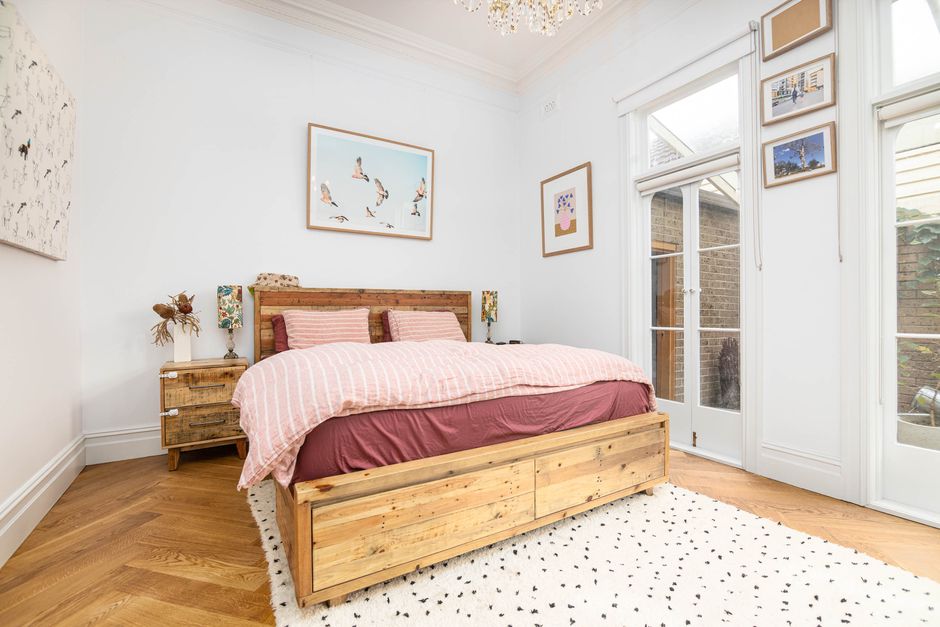
A Brisbane mother on the cusp of becoming an empty nester says she would love to rent out her spare rooms at an affordable rate — but complicated tax rules are stopping her. Her story reflects a broader pattern that housing advocates say is costing Australia dearly, with census data suggesting up to 13 million spare bedrooms sit unused across the country.
Ali Bradley considers herself fortunate to own her home and wants to give something back by offering rooms to people in need of affordable housing. But the prospect of income tax, capital gains tax and regulatory complexity has, so far, been enough to put her off.
"Cost and complexity, capital gains tax implications, income tax and also the complexity of regulations," she said. "From my point of view, we're in a housing crisis. We need a wider range of solutions and we don't need deterrents."
Ms Bradley's motivation is not profit — she hopes that rental income could simply help her cover the ongoing maintenance costs of her older home, while providing genuine housing relief to someone who needs it.
The tax barriers putting homeowners off
Queensland University of Technology property economist Lyndall Bryant has spent several years researching what she describes as boarding arrangements — a practice that was once far more common in Australia, particularly among students and apprentices who moved to larger cities and rented a room in a family home.
"That really sparked my interest into, why don't we do that anymore," Dr Bryant said.
Her research has identified several key barriers. Chief among them is the fear that taking in a boarder will expose homeowners to both income tax and capital gains tax liabilities. For older Australians, there is the added concern about the impact such income could have on their pension entitlements. Safety and security when inviting a stranger into the home also ranked as a significant deterrent.
The Australian Taxation Office does provide some exemptions — for instance, where children or close family members board with a homeowner. A spokesperson for the ATO noted that such arrangements are generally treated differently from arm's-length rental agreements with strangers, which are more likely to attract tax obligations. However, many homeowners remain unaware of where the lines are drawn, or find the rules too difficult to navigate confidently.
Overseas models offer a possible path forward
Dr Bryant points to international examples as potential blueprints for reform. In Ireland, the government has introduced schemes that incentivise homeowners to take in boarders by setting a threshold — a level of affordable rent below which no tax is payable. The policy effectively removes the financial disincentive for homeowners willing to charge modest, below-market rates.
"Countries are realising that new housing supply is a long way off and we do have a rental crisis and we need to be providing more affordable housing options to people," Dr Bryant said.
Importantly, boarding arrangements typically differ from standard rentals in structure. Rather than paying a fixed rent, boarders generally share in the household's running costs — utilities, internet, power and insurance — making them a more flexible and often more affordable option for those who need housing.
Unlocking spare rooms could ease the rental squeeze
Homesharing advocates argue that clearer tax rules — particularly a defined threshold below which affordable room rentals are exempt from tax — could unlock a significant portion of those millions of unused bedrooms as genuine rental housing, without requiring a single new property to be built.
Federal Home Affairs Minister Tony Burke is among those who have reignited the conversation about how these underused spaces might be brought into the rental market.
For homeowners like Ali Bradley, the ask is straightforward: make the rules simple enough that people who want to help actually can. "We don't need deterrents," she said — a sentiment that housing researchers appear to wholeheartedly share.