An investigation into Sydney's public and private hospitals has laid bare a deeply troubling pattern of violence, with more than 2,200 violent assaults recorded over just three years and an arsenal of weapons, including guns, knives and machetes, seized from emergency departments. The findings have prompted the New South Wales Health Minister to announce a significant boost in security staffing across the city.
The Scale of Violence Inside Sydney Hospitals
Sensitive health documents have revealed the full extent of the problem: 2,223 violent assaults were recorded across Sydney hospitals over a three-year period, with 1,488 compensation claims lodged by health workers as a result. The figures point to a system under serious and sustained pressure.
Beyond the assault statistics, the weapons discovered in emergency departments have shocked observers. Firearms, knives and at least one machete have been confiscated from patients or visitors attending Sydney EDs, underscoring the dangerous environment healthcare staff and patients face daily.
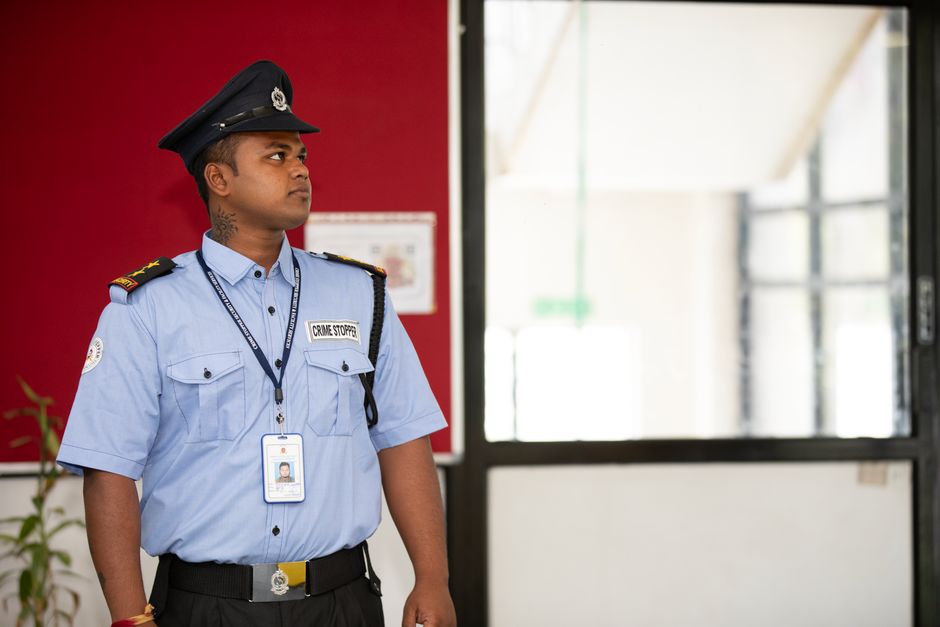
The situation has grown serious enough for SafeWork, the state's workplace health and safety regulator, to be called in to investigate certain hospitals. Security personnel have themselves suffered significant injuries on the job. One guard, Bruce Rowling, described one of the worst incidents he had experienced.
"Probably the worst one was my thumb being pulled out of the socket," Rowling said.
Rowling also highlighted a critical limitation facing security staff: despite working in what are increasingly dangerous environments, guards currently hold no additional legal powers beyond those of an ordinary member of the public. That means they cannot conduct wand searches for weapons in emergency departments.
"They don't have any extra powers than the average citizen," he said.
Petrol Attack Victim Furious Over Security Failings
Among those caught up in the violence is Radovan Banic, who was set on fire in a petrol attack at Prince of Wales Hospital last month. He remains hospitalised and has spoken out angrily about the security response, or lack of it, that he witnessed.
"He didn't ask me nothing, he was too busy on his phone. No, nothing. He might as well have had his shoes off and like the other one, sleeping," Banic said, describing the conduct of security staff at the time.
His account points to concerns not just about staffing numbers but about attentiveness and accountability within existing security arrangements, issues that advocates say go beyond simply adding more guards.
Government Announces 129 New Security Guards
On Wednesday, Health Minister Ryan Park announced that 129 additional security guards would be deployed across Sydney hospitals in response to the growing crisis.
"This is all about one thing, making our hospitals safer. This will see many, many hospitals now, 24-7 with security staff," Park said.
The Health Services Union welcomed the announcement. "We will now be in a position to prevent issues," the union's Gerard Hayes said.
However, the response drew immediate criticism from the opposition. Shadow health minister Sarah Mitchell argued the government had acted too slowly and that the measures did not go far enough.
"We know that staff are feeling unsafe as are patients, so this probably is too little too late," Mitchell said.
Calls for Real Powers to Match the Risk
The debate over security in Sydney's hospitals is now shifting toward what powers guards should actually hold. Despite the new deployment, security personnel are pushing for the authority to conduct wand searches in emergency departments, something they are currently not legally permitted to do.
Until guards are granted meaningful additional powers, critics argue that simply increasing their numbers may not translate into a genuinely safer environment for staff or patients. The question of how violence can be better anticipated and prevented before it escalates remains central to the broader conversation about public safety in New South Wales.