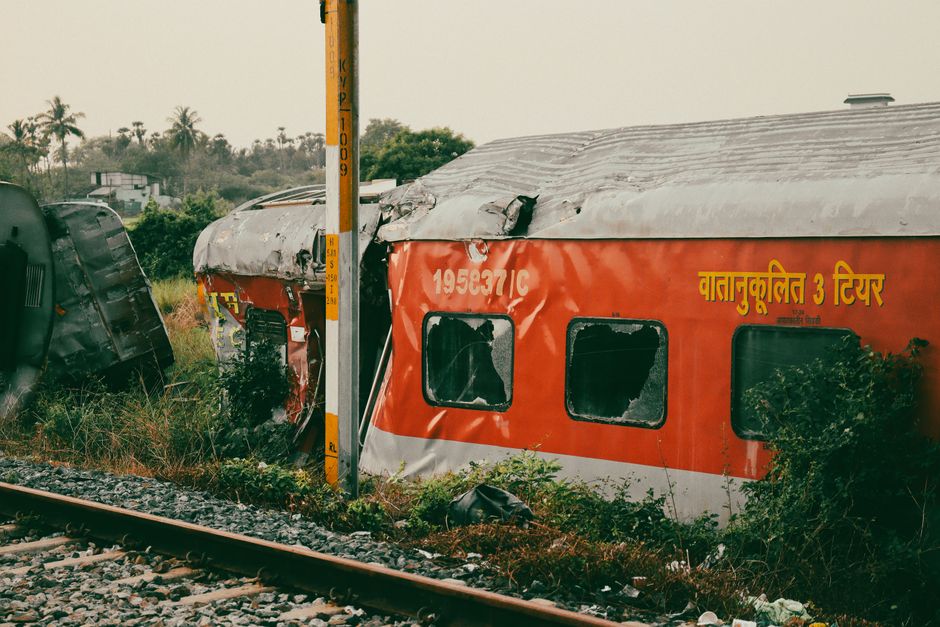
Rescue crews have recovered the remains of 69 people following a devastating train collision in the central Spanish province of Toledo, south of Madrid, with cranes working through the night to lift mangled carriages in the search for additional victims. The crash, which occurred on Wednesday, has become Spain's deadliest rail disaster in years and the worst in Europe since a high-speed derailment in Santiago de Compostela in 2013, ranking it among the most significant tragedies on the list of accidents and disasters by death toll in recent European history.
What We Know About the Crash
According to Spain's transport minister, the disaster unfolded after several trains came to a halt due to a signal failure. A Renfe-operated train was then authorised to continue at normal speed, despite a stationary Iryo-operated train sitting on the track ahead. The government has since described that authorisation decision as "inexplicable."
Regional leader Emiliano Garcia-Page confirmed the death toll had risen to 69, adding that human remains were discovered during ongoing recovery efforts, with one overturned carriage requiring extensive crane work to access. Authorities said 57 injured passengers remained hospitalised at the time of the latest update.
Spain's foreign ministry confirmed that 42 foreign nationals from seven countries were caught up in the disaster. Of those, one person died and at least seven sustained injuries.
Among the confirmed dead was Fatima Banez, a former labour minister who had more recently chaired the social and corporate responsibility division of Spain's main employers' association.
A Second Fatal Crash on the Same Line This Year
The Toledo collision is not an isolated incident. It follows another fatal accident in January involving the same two rail companies operating on the same line, raising pointed questions about whether enough was done in the intervening months to address safety concerns. Unions say talks that began after January's crash were abandoned by the government in April, and they argue the latest tragedy is a direct result of inadequate investment and political will.
"We will continue demanding the necessary measures to make this sector safe again," said Diego Martin of train drivers' union SEMAF, speaking at Madrid's Atocha railway station. "It must have all the safety systems required to maintain the quality standards we have always had. We cannot tolerate, under any circumstances, this type of incident happening again."
Train drivers followed through on a previously planned strike to push for greater investment in rail safety, a move that state-run operator Renfe said caused significant disruption to services. Renfe offered passengers free ticket changes or cancellations and committed to notifying travellers of affected services.
Political Fallout and National Mourning
The disaster has cut deeply into Spain's political landscape. With a snap election scheduled for 29 November, leaders of the country's two major parties suspended campaign events in the immediate aftermath. The Spanish government declared three days of national mourning for those killed.
Transport minister Oscar Puente defended the broader rail network, insisting it remained "reliable and safe, with the limits of the material itself and of human action, as is the case with any form of transport." However, that position has been difficult to sustain publicly given that this is Spain's second fatal high-speed rail crash this year alone.
The accident has reignited a fierce debate about the future of Europe's longest high-speed rail network, long considered a point of national pride in Spain. Pope Leo conveyed his condolences to the families of those killed and wished a speedy recovery to those injured, with the Vatican saying he also encouraged rescue efforts.
Authorities have not yet released a final determination on the cause of the crash, and investigations are continuing. Spain is now grappling with urgent calls from unions, the public, and opposition politicians for a comprehensive review of its railway safety systems before another tragedy occurs.

