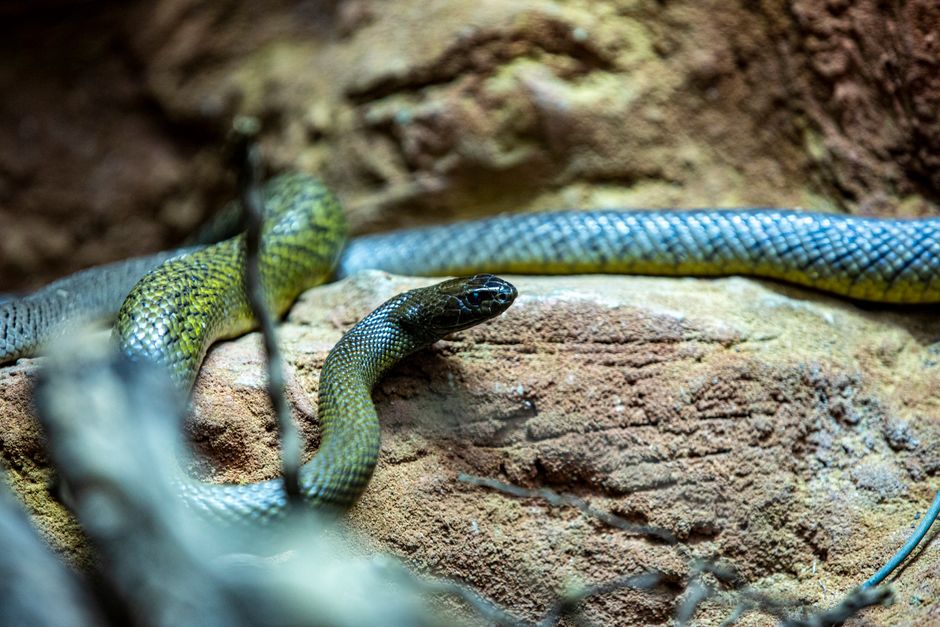
Spring has arrived in Australia, and with warmer temperatures comes the return of one of the country's most talked-about wildlife encounters: snake season. With more than 170 land and sea snake species across the country — including roughly 100 venomous varieties and at least 12 capable of delivering a fatal bite — knowing how to respond to a snake sighting could be a matter of life and death.
Data from the Australian Institute of Health and Welfare shows that in 2024–25 alone, more than 2,100 Australians were hospitalised following snake bites — a stark reminder of the risks that come with sharing a landscape with some of the world's most venomous reptiles.
Snakes Don't Hibernate — They Brumate
Many Australians assume snakes simply disappear over winter, but that's not quite accurate. According to a spokesperson for the Wildlife Information Rescue and Education Service (WIRES), snakes enter a state known as brumation during the colder months — a process distinct from true hibernation.
"They actually never go completely into hiding," the WIRES representative explained. "Our snakes, and a lot of reptiles, go into what's called brumation. That's when their metabolic rate slows down somewhat in the colder months for them to be able to conserve energy … They'll still go out and get a feed every now and then."
Once spring warmth arrives, brumation ends and snakes become significantly more active — emerging to hunt for food and seek out mates. That uptick in activity is precisely why encounters with humans tend to increase during this period.
What to Do If You See a Snake
The golden rule, according to WIRES, is straightforward: do not approach, handle, or attempt to move the snake yourself. Even if you believe you can identify the species as non-venomous — for example, a green tree snake or a diamond python, two of Australia's more commonly recognised non-venomous varieties — experts warn it's easy to be mistaken.
"Don't approach it. Don't try to contain it. Don't try to move it. And worst of all, don't try to kill it," the WIRES spokesperson said, adding that attempting to harm a snake dramatically increases the risk of being bitten.
Snakes, he stressed, do not view humans as prey. "We're not a food source for the snakes in Australia, so they see us as a threat and just keep away. They're going to want to get away from us as quickly as they can."
If a snake is found inside a home or garden, residents should keep people, children, and pets well clear of the animal and call a licensed snake catcher to handle the removal safely. Dogs and cats face particular risk, even from non-venomous species capable of delivering a painful bite.
The Social Media Problem
One growing concern among wildlife experts is the influence of online snake-handling videos. Footage of snake catchers at work — widely shared across YouTube and other platforms — is apparently encouraging some members of the public to attempt removals themselves.
"One of the problems that's happening at the moment is that there are a lot of snake capture videos on YouTube and other channels, and it's giving people the wrong idea that they can do it themselves," the WIRES spokesperson said. "The people involved have to be trained."
Beyond the physical danger, there is also a legal dimension: many of Australia's snake species are protected under wildlife legislation, meaning that killing or harming them — even inside your own home — may carry legal consequences.
Stay Calm and Call a Professional
With warmer and potentially drier conditions ahead, snakes may venture closer to residential areas in search of food and shelter. The best protection, wildlife authorities say, is awareness and restraint.
Treat every snake as venomous, keep your distance, secure your pets, and contact a professional snake removal service. Fear is understandable — but acting rashly in that moment is what turns an encounter into an emergency.