Indonesian search and rescue teams have recovered six bodies from a flooded abandoned gold mine south of Jakarta, while racing against deteriorating conditions to reach as many as 20 more people believed to be trapped deep underground after a nearby river burst its banks on Monday.
The mine, located in Bogor, West Java, was formerly operated by state-owned company PT Antam but has since been closed. Despite repeated warnings from authorities, illegal fossickers had been descending into one of thousands of disused shafts in the area, searching for remnants of gold left behind when the company departed.
Treacherous Conditions Hamper Rescue Efforts
Rescuers have faced extreme difficulties since crews from Bogor first arrived at the site on Tuesday, more than a day after the incident began on Monday night. The shaft, believed to stretch as deep as 100 metres below the surface, is described as narrow and slippery, making it impossible for teams to immediately lower oxygen tanks into the passage.
The head of the Jakarta branch of Indonesia's national search and rescue agency, BASARNAS, described conditions inside the mine as deeply challenging. "We also need to bring lamps as it is very dark, and right now the rain is pouring in heavily," she said.
Rescue teams discovered pumps already installed inside the pit that are believed to have belonged to the illegal miners themselves, suggesting those trapped were well aware of the flooding risks associated with the shaft. Crews subsequently worked to pump water out of the passage, though the ongoing rain has continued to complicate those efforts.
The bodies of three miners were recovered during the afternoon at a depth of between 30 and 40 metres, with three more found later in the day, bringing the confirmed death toll to six. Authorities have not yet been able to determine precisely how many people remain underground.
"We don't know for sure how many people were down the mine, but we talked to illegal miners here and they gave 26 names, so maybe there are 26 people," a BASARNAS official said. "We don't know for sure because they are illegal."
Overseas Diving Experts May Be Called In
Officials have not ruled out requesting specialist assistance from overseas if conditions continue to prevent progress. The BASARNAS head noted that diving experts from abroad could potentially be needed, drawing comparisons to international rescue operations mounted in recent years, including a cave rescue in Laos and the high-profile 2018 rescue of a youth football team trapped in a cave in Thailand.
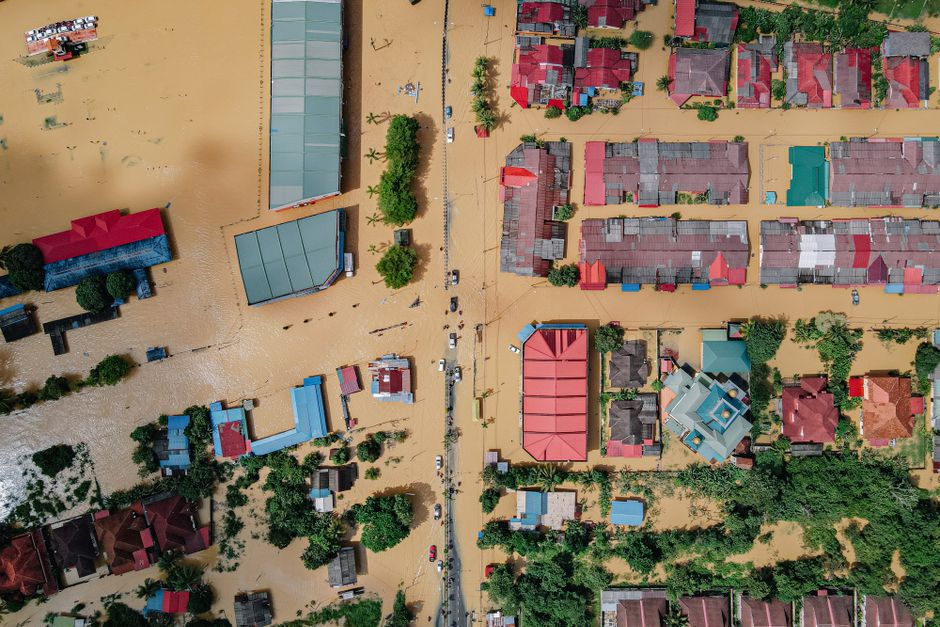
The Ciseureuh River, which runs near the mine site, overflowed its banks and caused flooding that rapidly inundated the shaft. The timing left little margin for escape, with the bulk of Monday night and most of Tuesday passing before rescue crews were able to reach the scene and begin operations.
Illegal Mining a Persistent and Deadly Problem
Indonesian authorities have long struggled to curb illegal small-scale mining operations, which are frequently carried out by impoverished workers and family breadwinners willing to risk their lives in search of small quantities of gold remaining in disused commercial mine shafts.
The Bogor area alone contains thousands of such closed shafts, many of which attract unlicensed fossickers despite being officially off limits. Officials noted that the miners involved in this incident had been warned on multiple occasions to cease their activities.
"They are quite stubborn, these illegal miners, because they have been warned frequently for not doing what they are doing," the BASARNAS official said.
The dangers are not limited to flooding. Six illegal miners died in Bogor Regency in January when a shaft they were working in filled with smoke. Some operators in the region also continue to use mercury, a hazardous substance, to help separate gold particles from soil and sediment, posing long-term environmental and health risks.
Police have confirmed they are investigating who may have organised or financed the illegal mining operation, raising questions about whether a broader network directed workers into the disused shafts.
What Happens Next
Rescue crews were continuing their efforts on Wednesday, with the immediate priority being to pump sufficient water from the shaft to allow safe access deeper underground. Whether international diving specialists will ultimately be needed remains under assessment.
The number of people still unaccounted for remains uncertain given the unregistered and informal nature of illegal mining. Authorities have so far relied on information gathered from other miners at the site, who provided a list of 26 names believed to represent those who entered the shaft before the flooding began.
The incident has renewed calls for stronger enforcement around Indonesia's vast network of abandoned mine sites, where poverty continues to drive workers underground in search of whatever traces of gold commercial operations left behind. For other ongoing search and rescue operations being tracked across the region, authorities are urging the public to stay informed as conditions develop.