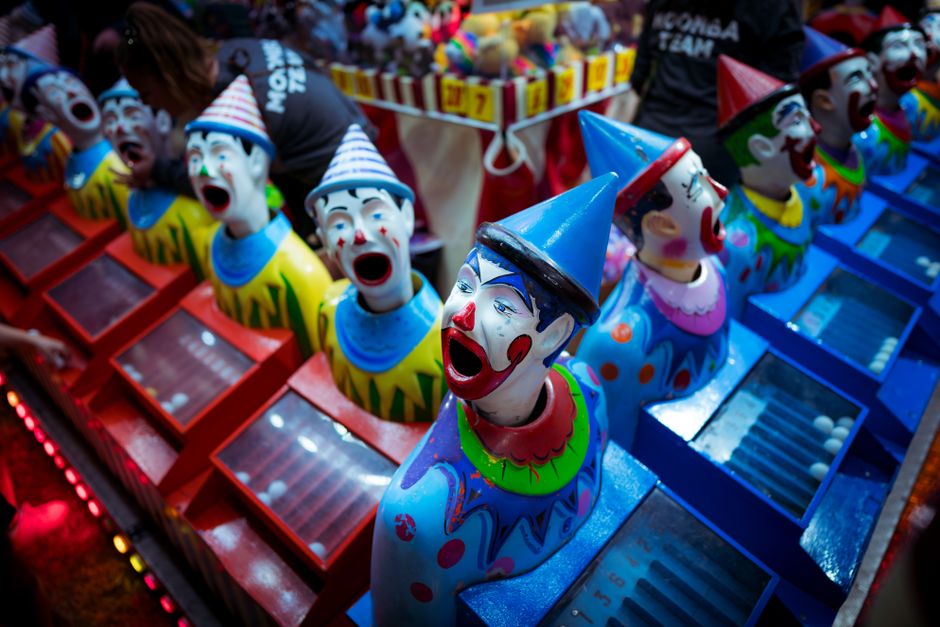
For generations, Australia's travelling show families — known affectionately as "showies" — have packed up their rides, games and food stalls each year to follow the country's regional show circuit. But a convergence of soaring insurance premiums, punishing fuel costs and a chronic shortage of workers is forcing many operators to question whether the circuit remains financially viable.
A Multi-Generational Business Under Pressure
Melissa Quay has spent her whole life making the annual trek from Victoria to Queensland for the show season. Her father did it before her, and his father before him — a tradition stretching back multiple generations. This year, however, rising costs forced her to make a painful compromise: she left her caravan, and her daughter, at home.
"We've spent the last four weeks and probably the next four weeks living in a truck instead of living in a caravan to combat the cost," Ms Quay said.
The financial pressure has been building for years, but insurance costs have been particularly brutal. Ms Quay said her public liability insurance increased fivefold since 2020, jumping from around $10,000 a year to $52,000 a year. At one point, she said, she could not obtain any coverage at all. To manage the mounting expenses, she also cut her staff from three workers down to two.
The Triple Threat Facing Showies
Ms Quay's story is far from unique. Across the industry, operators are grappling with what the Showmen's Guild of Australasia describes as a "very challenging" environment — particularly for those travelling remote circuits that can rack up around 15,000 kilometres each year.
Guild president Aaron Pink pointed to the Darwin circuit, which runs deep through the Northern Territory, as one of the hardest hit. "There's not a lot of shows in that run … and it's a long way back," he said. Despite the difficulties, Mr Pink expressed hope that operators would continue attending smaller regional shows, noting the significant role they play in rural communities. "A show movement out in western Queensland and western New South Wales is something young families really look forward to," he said.
Staffing is another growing crisis. Darrell Brown, who has operated a bust-a-balloon stall his entire life, recalled a time in the late 1990s when people would actively seek out work at travelling shows. Those days, he said, are long gone. His own children have stepped in to help, but his brother — who operates large rides including a Ferris wheel — has struggled to find the extra hands he needs. "There's only him and his wife, so he can't climb up and down the big Ferris wheel and do all that," Mr Brown said. "He needs some guys to help him."
The Next Generation Keeps the Dream Alive
Amid the uncertainty, the next wave of show kids is growing up with the circuit in their blood. Nine-year-old Chase Lovell was spotted at a fishing stall at the Charleville Show, cheerfully explaining the rules to visitors — $10 for three ducks, $20 for seven, with prizes determined by numbers on the bottom of each duck. Chase and his sister Peyton are seventh-generation show kids, having already visited Charleville, Longreach, Winton, Darwin and Mount Isa in a single season.
Their enthusiasm stands in contrast to the anxious calculations being made by the adults around them — operators who must weigh the cultural and community value of the circuit against the hard economics of keeping it running.
What Comes Next for the Show Circuit?
The outlook for Australia's travelling show industry remains uncertain. While younger generations appear committed to continuing the tradition, the structural cost pressures — particularly insurance and fuel — show little sign of easing. For families already navigating financial hardship in regional communities, the disappearance of sideshow alley from local shows would mark the loss of something far greater than mere entertainment — it would signal the end of a uniquely Australian way of life that has endured for well over a century.
For now, operators like Melissa Quay are making do — sleeping in trucks, cutting staff and counting every kilometre — hoping the circuit they have dedicated their lives to can find a way to survive.