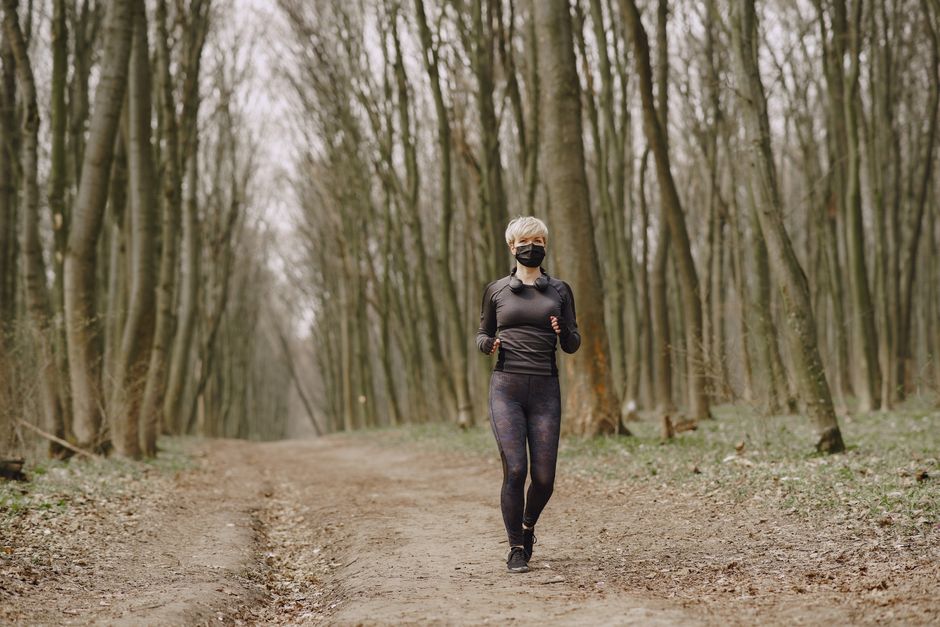
A Queensland woman who was harassed and stalked during an early morning run south of Brisbane has channelled her traumatic experience into action — organising a personal safety workshop for women after her police complaint was ultimately withdrawn. Known only as Kate, the runner's story has resonated deeply with women across the country and reignited urgent debate about women's safety in public spaces.
Kate described the incident as "extremely traumatic," saying she made the decision to withdraw her complaint and try to move forward. "I decided just to move forward and try and put it behind me and focus on the positives rather than trying to focus on the negative," she said.
An Overwhelming Online Response Drives Kate to Act
After posting about her experience online, Kate was met with a wave of community support. Confronting statistics — including that one in five Australian women have experienced sexual violence — reinforced her determination to do something tangible. Rather than waiting for systemic change alone, she resolved to organise a personal safety workshop to help other women feel more confident when exercising outdoors.
"Women deserve to be able to run or just exist outside and feel safe," Kate said. "So, while the onus doesn't rest on women to make themselves safer, there are certain things they can do — to learn techniques on how to be safer when they're out on their own."
Kate said she remains "really cautious" since the incident and tries to run with a friend as often as possible. She hopes the workshop will help rebuild her own confidence, as well as that of others who attend.
Her experience has also unfolded against a broader backdrop of concern. Since the harassment, a separate incident in Brisbane involved a woman allegedly being raped while out exercising, prompting widespread community solidarity.
Former Police Officer Brings Expertise to Women's Safety Workshops
To deliver the workshop, Kate has partnered with safety advocate Danielle Godfrey, a former police officer who runs personal safety sessions across Australia. Ms Godfrey said more than a decade of investigating crimes — including sex crimes — had fuelled her drive to empower women through practical knowledge and skills.
Her approach prioritises awareness and de-escalation over physical confrontation. "Before the self-defence moves, before any of the physical stuff, there's a lot of steps," she explained. "Hopefully by thinking — awareness — then yelling, using your voice. Then running — creating distance — you actually never have to get to that fight situation."
Ms Godfrey was candid about the limits of self-defence training, acknowledging the way trauma affects the brain's ability to respond quickly. "We don't know how we're going to respond when we're in these traumatic events," she said. "The brain can't process things that quickly. It needs time to catch up." Her sessions focus on practical escape techniques rather than complicated physical moves, with the goal of helping women avoid dangerous situations altogether through awareness.
Experts Urge Whole-of-Society Approach to Women's Safety
Public health researcher Tracy Kolbe-Alexander, based at the University of Southern Queensland, studies how safe women feel when exercising outdoors. She acknowledged that self-defence workshops can help women feel as though they are reclaiming public space, but cautioned against placing the burden of safety squarely on women's shoulders.
She noted that women already carry a significant mental load of safety considerations before heading outdoors — avoiding darkness, driving to safer locations, or sharing their whereabouts with others. "I think we need to be cautious [of making] women responsible for safety and their safety, so I would say it's a whole of society approach," she said. "We need our boys and men to become aware of the challenges we face when we're going to be physically active."
Queensland Police have indicated they investigate all incidents using the evidence available to them.
For Kate, the workshop represents both a personal step toward reclaiming her confidence and a broader statement — that women's safety in Queensland and across Australia demands community attention, education, and collective responsibility.