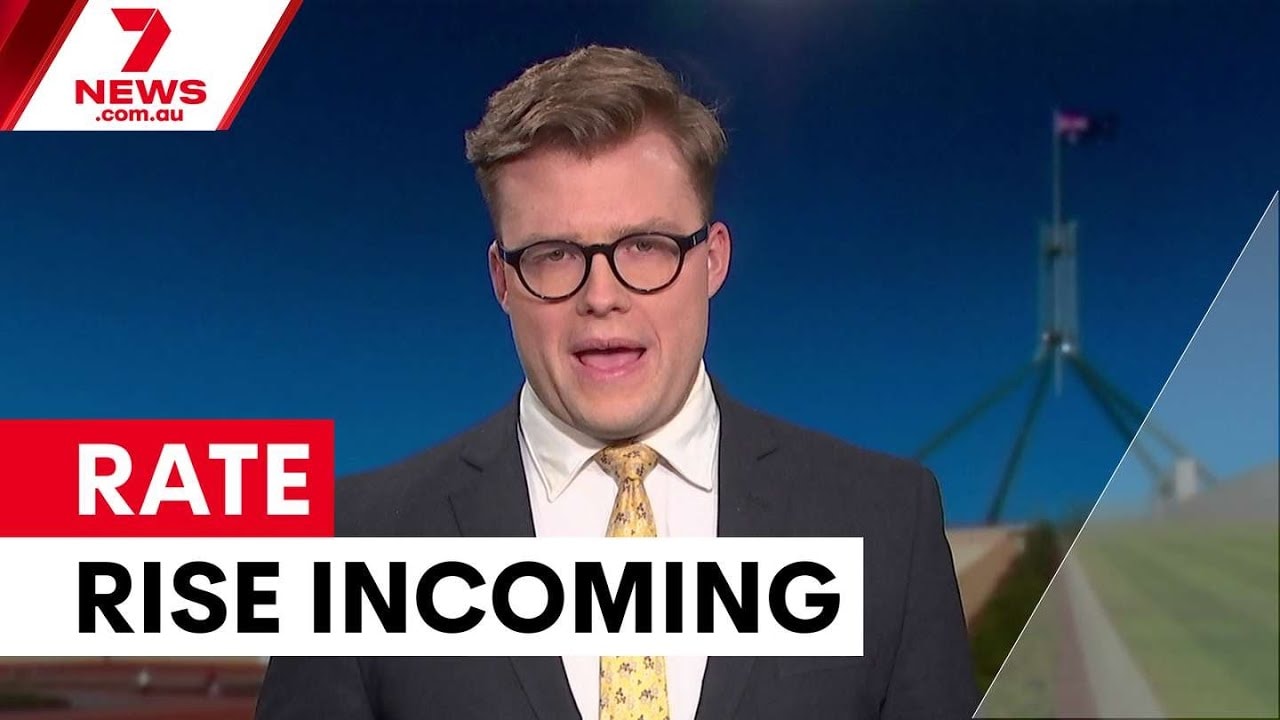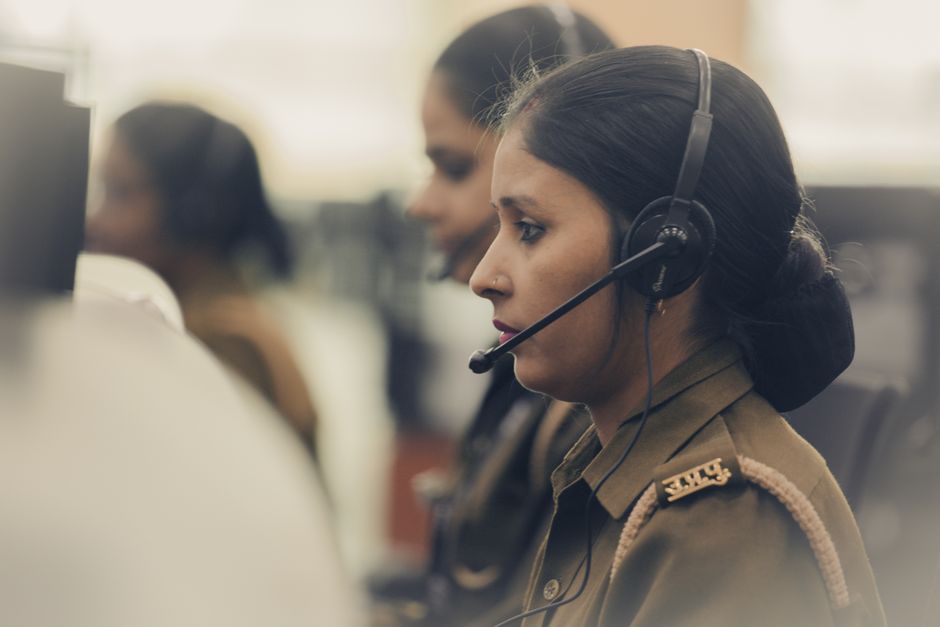
Opposition communications spokesperson Senator Sarah Henderson is defending her decision to make two test calls to triple-zero during Telstra's major nationwide outage on Wednesday, after Labor ministers condemned the calls as reckless and potentially unlawful — even as the telco confirmed more than 600 emergency calls were affected by the network collapse.
Henderson Stands Firm on Triple-Zero Test Calls
The Victorian senator, who serves as the coalition's shadow minister for communications, said she placed the calls to assess whether critical emergency services were functioning during the crisis. She acknowledged the backlash but argued her role justified the decision.
"I accept the criticism, but what I will say is that I am in a unique position holding this government to account," Henderson told a Sydney radio station.
Making improper calls to triple-zero is a Commonwealth offence carrying a penalty of up to three years in prison, a fact that drew immediate attention once Henderson's actions became public. However, Opposition Leader Angus Taylor backed his frontbencher, insisting the calls were lawful and framing them as a direct response to government and ministerial failure.
"These actions were not illegal, and they were made necessary by complete and utter failure from this minister," Taylor said, dismissing suggestions the calls were vexatious or constituted a hoax. Taylor also criticised Communications Minister Anika Wells over the handling of the crisis. More on the opposition's defence of Henderson's actions can be found here.
Labor Condemns the Calls as 'Utterly Irresponsible'
Industry and Innovation Minister Tim Ayres was among the most vocal critics, saying he was "absolutely shocked" when he learned of Henderson's actions.
"It's utterly irresponsible. I just don't know why anybody would do that, but I'd certainly say nobody should follow her example," Ayres said, urging the public not to repeat the behaviour.
Communications Minister Wells, meanwhile, confirmed that Telstra had formally notified the triple-zero custodian that all outages had been resolved, and that welfare checks prompted by missed emergency calls had been completed with "no adverse outcomes associated with those referrals." However, she made clear the government's scrutiny of the telco was far from over.
"It's going to take Telstra a lot of work and a lot of time to rebuild that trust with Australians," Wells said, adding that the government would hold the company to account. She indicated that once services were restored, investigations could proceed and penalties could be applied.
The Scale of the Outage: 639 Welfare Checks, Seven Requiring Emergency Help
Telstra's chief financial officer Michael Ackland provided a detailed account of the damage caused by the outage, which began at approximately 4:30am on Wednesday and swept across mobile data, EFTPOS terminals, business networks, and public transport systems.
Ackland confirmed that Telstra had conducted 639 welfare checks following triple-zero call failures:
- 230 callers responded to an SMS advising they did not require assistance.
- 402 cases required follow-up phone calls.
- Seven callers indicated they needed help and were referred to the relevant emergency services.
"Any one missed call is unacceptable," Ackland said. For a full breakdown of how the triple-zero failures unfolded, see our earlier report on the scale of the triple-zero call failures.
Telstra chief executive Vicki Brady revealed she was not informed of the outage until 7am Wednesday — nearly three hours after it first occurred — and said the company would examine lessons learned from the event.
Telstra rejected claims that recent staff redundancies were responsible for the outage.
South Australian Death Not Linked to Outage; Senator Apologises
The outage also triggered a separate controversy after a Liberal senator suggested a woman's death in South Australia may have been connected to a failed triple-zero call. South Australia Police subsequently issued a statement clarifying the claim was incorrect.
According to police, the woman's partner found her unresponsive and contacted a neighbour, who then successfully called triple-zero on a Telstra mobile. An ambulance attended and the woman was taken to hospital, where she later died. Ackland confirmed Telstra's own records showed no active outage in the relevant area at the time and that a triple-zero call was "successfully made" and correctly connected to emergency services.
Police indicated the confusion may have arisen from the woman's partner being unable to contact relatives on his phone while at the hospital — a separate issue that was apparently misinterpreted. The senator subsequently apologised on social media, writing that her concerns were "based on information available at the time" and offering her "sincere apologies" to the grieving family.
The incident has refocused public attention on the vulnerability of Australia's emergency infrastructure, with experts warning the outage exposed the nation's deep reliance on a small number of telecommunications providers. Penalties for telcos that breach their triple-zero obligations have since been increased to $30 million.