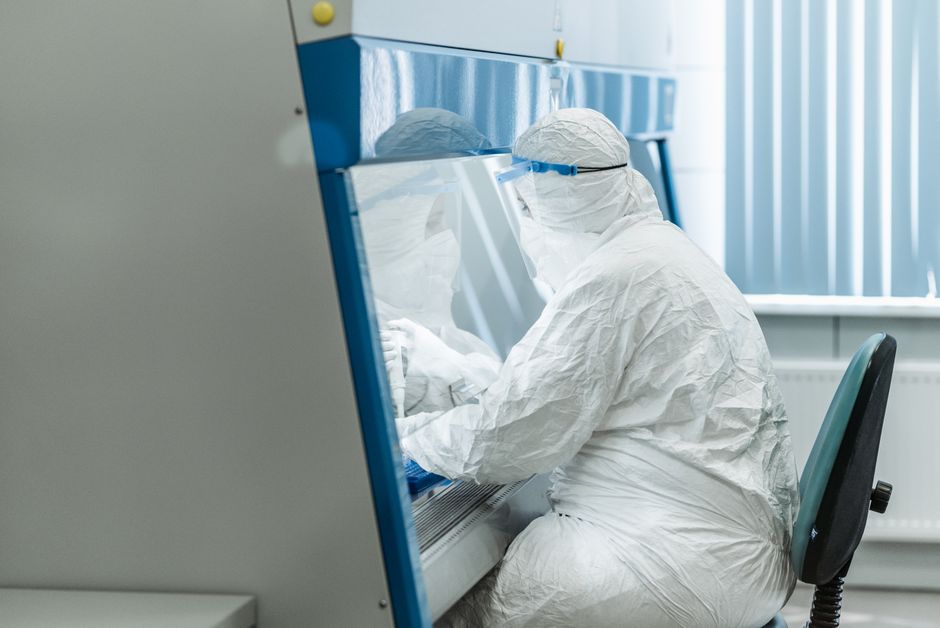
A 28-year-old researcher at a Russian anti-plague facility in Irkutsk, southern Siberia, has died after contracting pneumonia of unknown origin, triggering international concern and a sweeping quarantine response — but Australian health experts are urging calm, saying there is currently no evidence of a threat to the public here or abroad.
Darya Shipilova, an employee at Russia's Anti-Plague Research Institute, fell ill and died in early October, with Russian health authorities confirming her death on 2 October — just two days after she first became unwell. The cause of her pneumonia has not been publicly confirmed, and the World Health Organization (WHO) has said it does not yet have the full picture of the event.
For the latest developments on this case, see our earlier report on the researcher who died at the Russian plague laboratory following an unknown pneumonia infection.
What We Know About the Russian Plague Lab Incident
Russia's public health watchdog, Rospotrebnadzor, has confirmed that Shipilova was vaccinated and was described as "immune to the dangerous infections with which she worked." Despite this, the agency has declined to release the actual results of testing or specify what caused her death.
In subsequent statements, Rospotrebnadzor said "extensive" testing found no evidence her illness was caused by any of the pathogens she worked with, and it informed the WHO that no case of plague had been registered in the Irkutsk region. The agency also flatly rejected reports of a second person falling ill after contact with Shipilova, calling those claims false.
Almost 200 people were quarantined as a precautionary measure. By 7 October, Rospotrebnadzor reported that medical monitoring had been completed for more than 90 per cent of contacts, with nearly 5,000 laboratory tests returning no detection of dangerous pathogenic microorganisms and no infectious disease health issues identified among those monitored.
Pneumonia itself can be triggered by a wide range of causes — among them influenza, COVID-19, and plague — meaning the absence of a confirmed diagnosis has left significant room for speculation. The Kremlin has stated the facility was not producing bioweapons.
Australian Authorities Are Monitoring But See No Elevated Risk
The Australian Centre for Disease Control (CDC) has stated there is "no evidence to suggest an increased risk to the Australian public from this event at this time," while acknowledging that verified information remains limited. The agency confirmed it is engaged through established international public health networks and is monitoring the situation closely.
Deputy Prime Minister Richard Marles echoed that assessment, describing verifiable information as "quite limited" but confirming that the Australian CDC is working with its international counterparts.
WHO Pandemic Management Director Dr Maria Van Kerkhove was similarly measured, noting: "There is no elevated risk to Australians as a result of what is being reported out of Russia," and adding that antibiotics are available to treat plague infections should any arise.
Australia's last recorded case of plague was approximately a century ago, though the nation's Health Department still lists the disease as a biological weapons risk. Existing national health response plans provide for the hospitalisation and isolation of suspected cases, monitoring of close contacts and the provision of preventative antibiotics, and the maintenance of undisclosed medical stockpiles.
Expert Concern Centres on Unanswered Questions, Not Imminent Danger
Australian infectious disease specialists acknowledge the situation warrants attention, even if it does not yet warrant alarm.
Associate Professor Suman Majumdar, chief health officer at Melbourne's Burnet Institute, told reporters: "At this stage, we have a serious and unusual death with unanswered questions, but we do not have evidence of a plague outbreak, or a risk to Australia." He said there is "no reason for Australians to be alarmed."
Infectious disease expert and clinical microbiologist Professor Paul Griffin described the situation as "concerning" given that Shipilova worked with Yersinia pestis — the bacterium responsible for plague, and the same pathogen behind the Black Death that killed tens of millions across Europe between 1346 and 1353. However, Griffin was careful to note that no link between her work and her death has been confirmed.
"There's no confirmation that is related to her work, but we also haven't heard or seen the actual results of the testing to verify that — or the results to say what she actually passed away from," he said. "We certainly do need more information, but at this stage it doesn't seem like this is something that's not going to be able to be readily contained."
WHO Pushes for Transparency as Misinformation Spreads
The WHO initially categorised the death as a low risk to global public health but has since adjusted its messaging, with officials publicly stating they do not yet have a full picture of the event and are seeking further information from Russia.
That information vacuum has, in part, fuelled international speculation and the spread of misinformation online. Experts stress that the lack of transparency from Russian authorities — rather than any confirmed threat — is the primary driver of concern at this stage.
Until a confirmed cause of death is disclosed and independent verification is possible, Australian health agencies say they will continue to assess the situation as new information comes to hand, while maintaining that the current risk to the Australian public remains low.