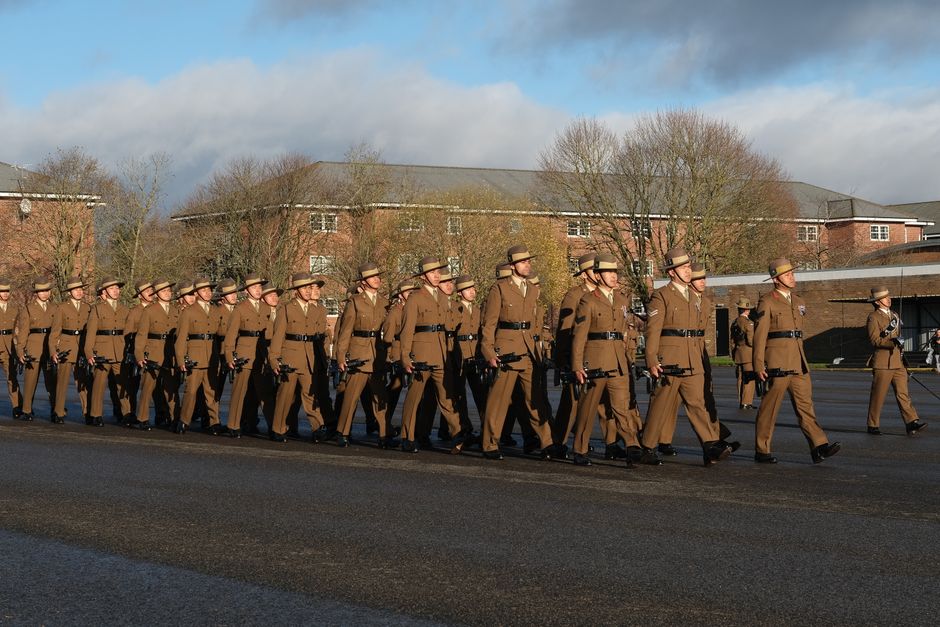
The Returned and Services League of Australia NSW has come out strongly against plans to relocate Australian Army personnel from Sydney's historic Victoria Barracks, warning that a potential sale of the heritage-listed precinct would represent an irreversible loss for the nation's military identity. RSL NSW President Brigadier Vince Williams declared the organisation was "appalled" by reports of a rushed timetable, describing the inner-city site as the "spiritual home of the Australian Army".
A rushed departure from Victoria Barracks?
At the heart of the controversy are reports that Army personnel were initially directed to vacate Victoria Barracks by 19 December, a deadline that Defence has since indicated was rescinded. Despite that clarification, Brigadier Williams said concerns remained firmly in place.
"Reports that Army personnel were initially directed to vacate the site by 19 December are deeply concerning," he said. "While Defence has reportedly clarified that timeframe, the Minister for Defence has confirmed that the Government wants Defence personnel out of Victoria Barracks 'as soon as possible'."
Defence has indicated that relocations could begin in the fourth quarter of 2026, but has stated these would only proceed once security, workforce and operational requirements had been satisfied. Defence Minister Richard Marles is understood to have confirmed the government's intention to move personnel from the site at the earliest opportunity.
Victoria Barracks and the broader Defence property sell-off
Victoria Barracks sits within a broader federal program to divest 67 Defence properties across Australia, a sweeping overhaul of the military estate expected to generate approximately $1.8 billion. The barracks itself forms part of a collection of Defence land valued at around $2 billion, identified following an audit that concluded these sites were surplus to requirements and expensive to maintain. Proceeds from the sales are intended to be reinvested into the country's defence capabilities.
Established in the 1840s and listed on the Commonwealth Heritage List, Victoria Barracks carries close to 180 years of continuous military history. RSL NSW has argued that no financial rationale justifies the disposal of a site with that depth of cultural and operational significance. The Albanese Government's broader fiscal decisions have drawn scrutiny in recent months, and the Victoria Barracks question adds another pressure point ahead of an already contested political period.
RSL NSW questions the consultation process
Beyond the question of timing, RSL NSW has taken direct aim at the process by which the decision was reached. Brigadier Williams described the consultation undertaken as "little more than a box-ticking exercise", following what he characterised as a superficial review of the Defence estate.
"We have seen no compelling case that demonstrates how removing Defence from Victoria Barracks strengthens capability, supports serving personnel or serves Australia's long-term national interest," he said.
The organisation also raised concerns about Defence simultaneously committing hundreds of millions of dollars to commercial office accommodation elsewhere in Sydney — expenditure it argues is difficult to justify when a fully operational heritage base already exists.
"Defence capability is about more than buildings on a balance sheet," Williams said. "It is about people, location, resilience, history, culture and connection."
What RSL NSW is calling for
RSL NSW is demanding that Victoria Barracks remain in Commonwealth ownership and continue operating as a fully functional military base. Should Defence ultimately proceed with a withdrawal from the site, the organisation insists it must stay in public hands with its military heritage formally protected for future generations.
"Once a military precinct with almost 180 years of history is lost, it cannot be recreated," Williams warned — a sentiment that captures the RSL's central message: when it's gone, it's gone for good.
The debate over Sydney's heritage buildings and government ownership decisions continues to resonate across the city, as communities push back against moves they see as prioritising short-term revenue over long-term public value. With relocations potentially beginning before the end of 2026, pressure on the federal government to justify its position is expected to intensify.