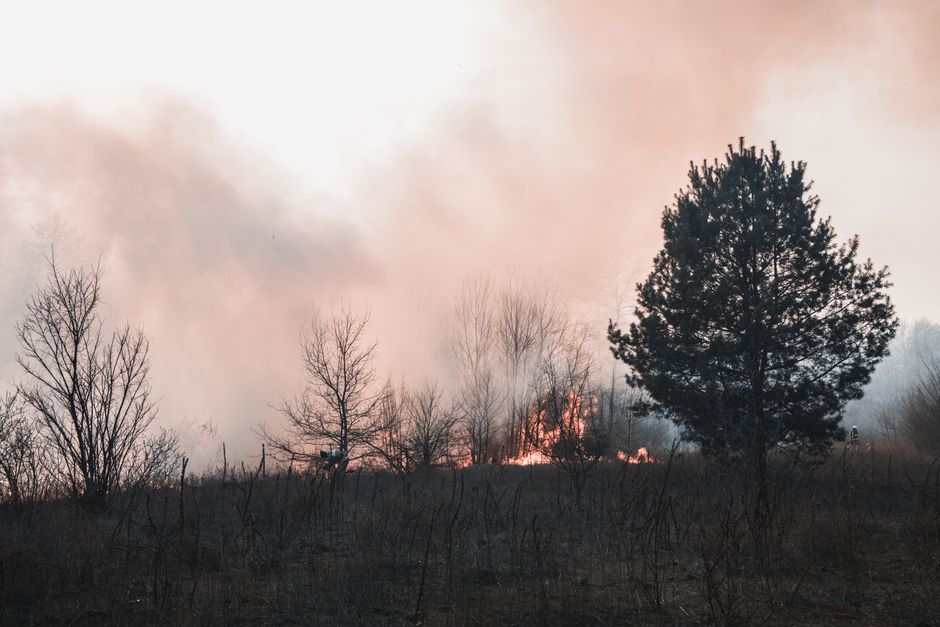
Dramatic footage captured by a rooftop camera has laid bare the terrifying scale of wildfires sweeping through Spain and France, as nearly 300,000 people have been forced to flee their homes and at least one person has lost their life. Spain has declared its first-ever national emergency over a wildfire, while French officials have warned of a "long and very difficult" fight ahead as flames push towards the outskirts of Bordeaux.
Mass Evacuations on Both Sides of the Pyrenees
In France, approximately 197,000 people have been displaced from the Gironde and Landes departments, areas situated close to the wine capital of Bordeaux, since the fires erupted earlier this week. French Interior Minister Laurent Nunez confirmed the flames were advancing to within roughly 30 kilometres of Bordeaux itself — a city renowned worldwide for its vineyards and fine wines, as well as its pine-forested coastline, a popular tourist destination where trees are particularly susceptible to fire.
The French government has urged people to avoid road or rail travel to the affected region. While Bordeaux airport has remained operational, train and bus connections to it have been disrupted. Thick smoke has blanketed vast stretches of the landscape, leaving charred ruins in the path of the advancing flames.
Across the border in Spain, around 88,000 people have either been evacuated or instructed to shelter in place due to three major blazes. Two fires near Madrid merged on Friday, prompting authorities to invoke the country's first national wildfire emergency. A third fire burning in Avila province has threatened to merge with the pair already raging in the Madrid administrative region — a scenario that would significantly worsen an already critical situation. Many Madrid residents have second homes in the area west of the capital where the fires have combined, adding to the human toll of the disaster.
A separate, smaller brushfire near the coastal city of Valencia was ignited and subsequently extinguished on Saturday, but not before it claimed the life of an elderly man who died in his vehicle. Spain's interior ministry confirmed his death.
For more on the situation in France, see our earlier coverage of wildfires in France forcing tens of thousands from their homes as the blaze threatens Bordeaux.
Military Assets and International Support Deployed
The scale of the crisis has pushed domestic firefighting resources to their limits, triggering a significant military and international response. In France, the armed forces have been called in to support overwhelmed firefighting crews. On Saturday afternoon, an A400M military transport aircraft — the largest in France's fleet — was deployed to drop fire retardant over burning forest as the flames continued their advance.
French Prime Minister Sébastien Lecornu described the situation in stark terms. "The fires that are hitting our country have reached a level that has never been seen before," he wrote on social media. Interior Minister Nunez reinforced the gravity of the situation, telling reporters: "We expect a fight that will be long and very difficult."
Spain has drawn on European Union solidarity mechanisms to bolster its firefighting capacity. Four additional water-bombing aircraft — two from Italy and two from Greece — were expected to join the effort, supplementing planes already deployed from the Netherlands and Portugal. Despite this international support, firefighting operations in Madrid have been complicated by an ongoing strike by one firefighters' union, though authorities indicated the impact on frontline staffing appeared minimal.
Spanish Health Minister Mónica García issued a public health warning to Madrid residents, urging them to avoid outdoor activity and physical exertion due to hazardous smoke levels blanketing the capital.
Heatwaves and Climate Change Drive Conditions
Scientists and officials alike have pointed to the role of prolonged dry spells and repeated heatwaves in fuelling the catastrophic fire conditions — conditions many researchers say have been made significantly worse by climate change. These disasters are among the most severe to strike the continent during a 2020s decade already marked by a succession of extreme weather events across Europe and beyond.
Temperature data underscores the severity of the conditions driving the fires in France. Average high temperatures in the affected French region have reached 32.2 degrees Celsius so far this July — a full 7.3 degrees above the historical monthly average recorded between 1961 and 1990. Strong winds have further stoked and accelerated the spread of fires in both countries, hampering aerial and ground-based firefighting efforts.
What Comes Next
With no immediate relief forecast from the extreme heat and wind conditions, authorities in both France and Spain are bracing for days of continued firefighting. The French government's deployment of its largest military transport aircraft signals the seriousness with which officials are treating the threat, particularly with the flames now within striking distance of Bordeaux. In Spain, the risk of additional fire mergers — particularly the potential joining of the Avila blaze with those already burning near Madrid — remains a pressing concern for emergency managers. Displaced residents across both nations face an uncertain wait before they can safely return to their homes, if those homes still stand.