A Rockhampton mother-of-two has spoken about surviving a terrifying 15-metre fall down a steep mountainside while solo hiking in remote Central Queensland, before spending a long and painful night alone waiting for rescue. Donna Neil was partway through the 87-kilometre Carnarvon Gorge Great Walk, north of Roma, in April when the accident unfolded on the second day of her five-day trek.
How the Fall Happened on Battleship Ridge
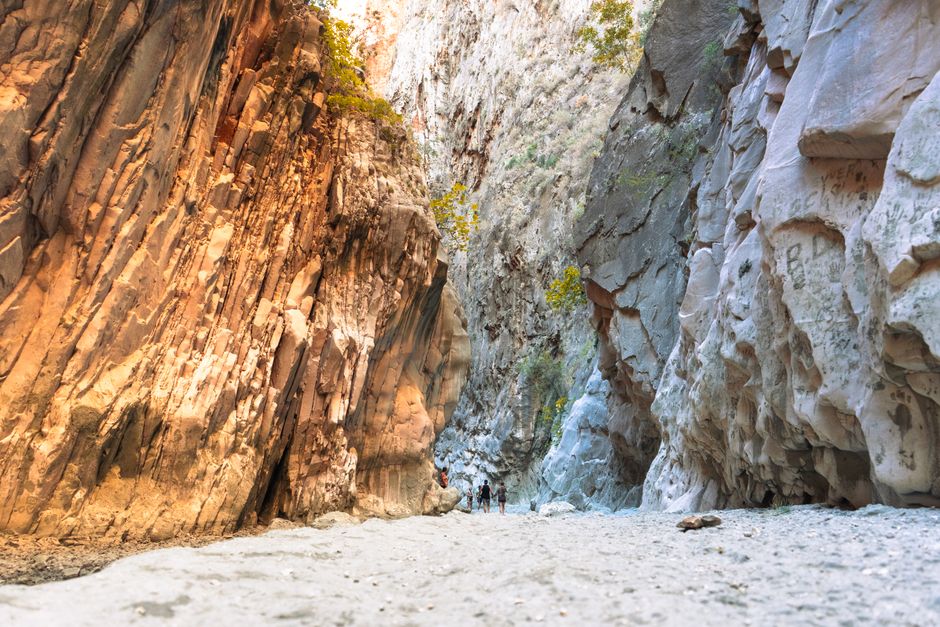
Neil had set out from the Big Bend campsite at first light, moving through one of the most striking sections of the trail. She described navigating sandstone cliffs so narrow in places that she could touch both walls simultaneously, before beginning a steep climb up a section of track known as Battleship Ridge.
The fall was triggered by a small but devastating moment of bad luck. One of her hiking poles became lodged between rocks at the base of a tree, and as she yanked it free, the weight of her 18-kilogram backpack threw her off balance and sent her tumbling sideways down the mountainside.
"I lost my balance when I yanked my walking stick out of the rocks," Neil said. "It was a sheer edge. I did a sort of backwards cartwheel fall and thankfully when I landed the backpack broke my fall."
She fell 15 metres, coming to rest on a 50-degree slope that made any movement dangerous. When she stopped sliding, she was immediately struck by sharp, stabbing pain in her back that worsened every time she tried to move. Adding to her difficulties, a water bottle attached to the outside of her pack had smashed in the fall, leaving her with only a small amount of water in the open sun.
Survival Skills and Satellite Technology Prove Critical
Despite her injuries and the shock of the fall, Neil shifted quickly into survival mode. Her first priority was conserving what water she had left. She then managed to retrieve several items from the top of her pack, including a solar charging mat that she used to revive her flat phone battery.
Although she had no mobile reception, Neil had packed a ZOLEO satellite communicator, a two-way messaging device designed for exactly these kinds of remote emergencies. Using the device, she contacted emergency services and sent messages to her husband, Jeff, alerting him to her situation. Messages were intermittent, sometimes taking up to half an hour to arrive, but the response was clear: help was on the way.
The LifeFlight helicopter team based in Roma was dispatched to reach her, but was redirected mid-flight to attend a more critically injured patient. Neil was informed her rescue had been delayed and prepared herself for a night alone on the mountainside.
For anyone heading into remote terrain, Neil's experience underlines the importance of preparation. A related account of survival gear in extreme situations highlights how the right equipment can make all the difference when help cannot arrive immediately.
A Long Night Alone in the Dark
With rescue postponed, Neil faced one of the most challenging nights of her life. Her husband promised to stay awake through the night and keep messaging her, though battery conservation meant communication was limited. The practical and emotional support helped, even if the messages were slow to arrive.
The conditions made the wait even harder. The sun set at around 6pm and the moon did not rise until roughly 10pm, leaving Neil in complete darkness on a steep, unfamiliar slope for four hours.
Neil had been undertaking the Carnarvon Gorge walk specifically as a training run for the 230-kilometre Larapinta Trail in the Northern Territory, one of Australia's most demanding long-distance hikes, with the aim of testing her gear and rationing strategy. While the experience far exceeded what she had planned to test, she survived to share the story.
"It was the most amazing thing I've ever seen," she said of the gorge itself, before her ordeal began. "I could see where centuries of water had smoothed the rock. It was incredibly beautiful."

